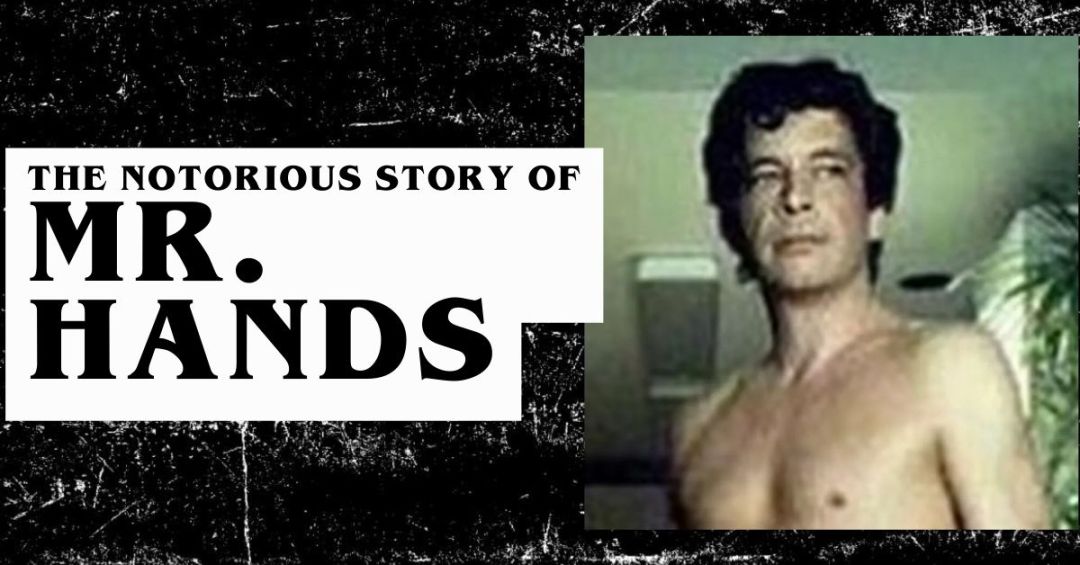

In the vast expanse of the World Wide Web, there exists content that both enlightens and terrifies, enlightening us about the world’s diversity and terrifying us with how far some are willing to push the boundaries of what society deems acceptable. One such example is the story of Kenneth Pinyan, a man whose tragic and disturbing death became a viral sensation, leaving a lasting impact on internet culture that persists to this day. Known by the online moniker “Mr. Hands,” Pinyan’s story is a stark reminder of the dark corners of the internet and the disturbing content that sometimes emerges from them.
Kenneth Pinyan, or “Mr. Hands,” wasn’t always infamous. He was an engineer who had worked for Boeing for eight years, lived in Gig Harbor, Washington, and had even started building a new house and barn where he planned to keep a horse. Pinyan was also a father and a husband, with a life that was, in many respects, ordinary. However, after a motorcycle accident led to a loss of sensation, Pinyan began to seek out increasingly extreme sexual acts, leading him down a path that would ultimately result in his demise.
In the early 2000s, Pinyan joined an online community of men known as “zoos,” who shared a common interest in zoophilia. This group would meet at a farm in an unincorporated area of King County, Washington, for communal weekends where they filmed each other engaging in sexual acts with horses and sometimes with each other. These videos were posted online, with Pinyan receiving anal sex from a stallion under the alias “Mr. Hands.”
However, the night of July 2, 2005, would prove to be a tragic turning point in Pinyan’s life. That night, Pinyan, along with James Michael Tait, a truck driver, and another unidentified man, sneaked into the barn of a farm located northwest of Enumclaw. They intended to engage in the usual sexual acts with a horse, but things went horribly wrong. Pinyan received fatal internal injuries from the encounter, leading to his untimely death.
Thus, the story of “Mr. Hands” isn’t just a tale of one man’s deviant behavior. It’s a stark reminder of the fine line between curiosity and danger, personal freedom, and societal norms. It’s a story that, though disturbing and distressing, provides a lens into the darker aspects of human nature and the potentially deadly consequences of extreme sexual behavior. It’s also a testament to the power of the internet, where even the most shocking and disturbing content can find an audience, leading to unforeseen and lasting impacts on our culture.
The Investigation and Aftermath
Pinyan’s death marked the beginning of a complex and controversial investigation that would soon be in the limelight, garnering widespread media attention. The death was initially shrouded in mystery, as Pinyan was dropped off anonymously at Enumclaw Community Hospital. The case took a turn for the bizarre when it was discovered that Pinyan had died from acute peritonitis caused by a traumatic perforation of the colon, a result of engaging in sexual activity with a horse.
As the police began to dig deeper, they discovered the disturbing truth behind Pinyan’s death, leading them to the farm where the incident occurred. The property was owned by James Michael Tait, who had been involved in the illicit activities with Pinyan and another unidentified man. This discovery shed light on the disturbing activities taking place on the farm and the role of the internet in promoting and sharing such content.
The case became a media sensation, quickly becoming one of the most-read stories in The Seattle Times in 2005. It was a story that shocked and horrified the public, leading to questions about how such activities could have taken place without detection and what could be done to prevent similar incidents in the future.
In response to Pinyan’s death and the ensuing public outcry, the Washington State Legislature moved swiftly to enact new laws to deter similar incidents. The bill they passed made it a Class C felony to have sex with animals and to videotape such an act. This marked a significant change in Washington law, which previously had no laws explicitly forbidding bestiality. Now, anyone found guilty of such activities could face up to five years in prison, a testament to the profound impact Pinyan’s death had on Washington state law and policy.
The Lingering Impact on Internet Infamy
The ripple effects of the Enumclaw horse sex case reached far beyond the local community and legal landscape. The incident, particularly the infamous “Mr. Hands” video, left a deep and lasting impact on internet culture, serving as a grim reminder of the dark side of the web.
The “Mr. Hands” video, which depicted the fatal act, quickly gained infamy online. It spread like wildfire, becoming a viral sensation, and was often used as a shock video to unsuspecting internet users. In 2007, reaction videos to “Mr. Hands” proliferated on platforms like YouTube, showcasing the shocked and horrified responses of viewers. These videos were part of a broader trend of shock video reactions that had become popular on the platform, such as those to “2 Girls 1 Cup” and “Tubgirl.”
Despite the disturbing content and the tragic death associated with the video, it has remained relevant in internet culture. It has become part of the lore of “old internet” shock videos that continue to be rediscovered by younger generations. Platforms like TikTok, Instagram, and Twitter have seen users baiting others into watching this and similar shock videos, demonstrating how the “Mr. Hands” video continues to be a part of the internet’s collective memory.
The Enumclaw horse sex case and the “Mr. Hands” video serve as a stark reminder of the need for online vigilance and the potential dangers lurking in the corners of the web. The incident illustrates how the internet can amplify and perpetuate shocking and harmful content, highlighting the importance of digital literacy and safety.
While it is tragic that Pinyan’s story is remembered in such a disturbing context, the enduring impact of the case serves as a powerful cautionary tale about the boundaries of internet content and behavior. It underscores the importance of responsible digital citizenship, the need for comprehensive internet safety measures, and the necessity of ongoing dialogue about the content we consume and share online.


 Deep Lore