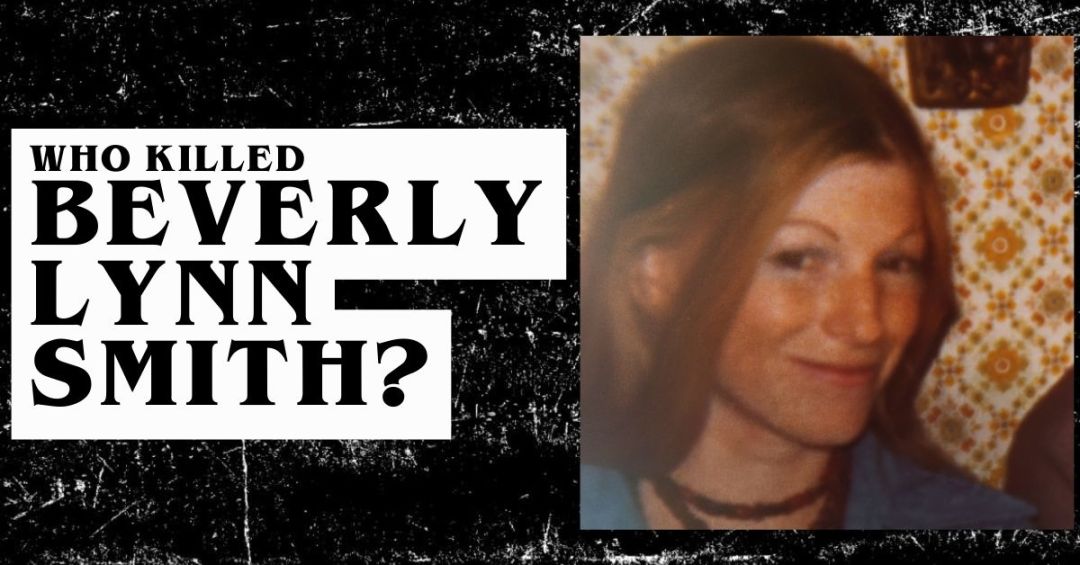

The 9th of December, 1974, started as an ordinary day in the quiet town of Durham Region, Ontario. But by the end of the day, it would be transformed into a date etched in the collective memory of the community. This was the day 22-year-old Beverly Lynn Smith was found dead, shot in her kitchen, while her 10-month-old baby slept unharmed in the next room. The only thing missing from the house was six ounces of marijuana.
Beverly, a young mother living a seemingly ordinary life, was in the prime of her youth, juggling the responsibilities of motherhood with the everyday tasks of life. Married to Doug Smith, who worked at the General Motors assembly plant in Oshawa, Ontario, Beverly’s life was far from the sinister world of murder and mystery that would soon overshadow it. Doug was known to sell small amounts of marijuana around town when he wasn’t at work, a fact that would later fuel the police investigation into Beverly’s death.
On that fateful day, Doug was at work when he called to check on his wife and daughter. The phone rang unanswered, prompting Doug to request a nearby customer to check on his family. The neighbor, peering through a window, saw a horrifying scene: Beverly lying motionless on the kitchen floor. When investigators arrived, they were faced with more questions than answers. There was no sign of forced entry, and apart from the missing marijuana, nothing else seemed to be stolen. The baby was found unharmed, adding another layer to the mystery. The circumstances surrounding the murder were puzzling, setting the stage for an investigation that would span over four decades and remain unsolved to this day.

The Controversial Investigation
Beverly’s murder sent shockwaves through the newly-formed Regional Municipality of Durham. It was the first homicide the nascent police department had to investigate, and their inexperience would come to mar the case in controversy. Established on January 1, 1974, this new regional government structure in Ontario was in its infancy when the crime occurred. According to reports, the responding officers had been drinking at a Christmas party when they were summoned to the Smith home. This alleged inebriation led to a series of missteps, including missed interviews, poor police work, and contamination of the crime scene[1].
Given the absence of forced entry and the fact that nothing but the marijuana was missing, the authorities theorized that the crime was a drug deal gone wrong. They speculated that Beverly had let a marijuana buyer into the house and was shot when she returned from retrieving the drug from upstairs. However, this theory, like the murder itself, was riddled with uncertainties and unanswered questions, leading the case to quickly grow cold.
The trail would not be picked up again until 2007 when an old friend of Alan Smith, a neighbor whom Doug had called to check on his wife, tipped off the police. Alan and his ex-wife Linda’s accounts of the night of the murder had changed over the years, leading the police to zero in on Alan as a potential suspect. This led to a controversial police operation known as a “Mr. Big” sting, wherein undercover officers developed an entire fake criminal enterprise to draw Alan into their scheme and elicit a confession. This sting operation, which unfolded in 2009, resulted in a coerced confession from Alan, who was then arrested and charged with Beverly’s murder. However, his trial in 2014 saw these confessions being ruled as inadmissible due to their coerced nature. Simultaneously, the Canadian Supreme Court was setting strict limits on the use of such sting operations across the country, further complicating the case. With no evidence linking Alan to the crime and the confessions thrown out, Alan was acquitted, and the case remained unsolved.

The Echoes of Beverly Lynn Smith’s Case
The conclusion of the botched investigation into Beverly’s murder did not mark the end of the saga. The effects of the controversial Mr. Big sting operation reverberated through the Canadian justice system. Alan Smith, the acquitted suspect, decided to fight back and sued the police and the Crown for using the controversial sting techniques that led to his false conviction and more than four years of imprisonment.
Meanwhile, the Supreme Court of Canada was grappling with the implications of such sting operations. In 2014, the same year as Alan Smith’s trial, they set strict limits on the use of these techniques. This decision came in the wake of these tactics being used more than 350 times across the country. However, those who were convicted using these methods prior to the Supreme Court’s decision were left with little recourse, underscoring the lasting damage caused by such operations.
The case of Beverly Lynn Smith remains unsolved, a poignant reminder of a young mother’s life cut tragically short and the limitations and controversies of police investigations. Yet, it has left an indelible mark on the Canadian justice system, influencing police procedures and stirring a broader conversation about the ethics and efficacy of undercover operations. As the mystery of her murder continues to hang heavy, the reverberations of her case continue to shape the evolution of criminal justice in Canada.


 Deep Lore