

In the heart of the urban jungle, a young boy’s fascination with some of the world’s most deadly creatures began to take root. Kevin Budden was not your average child growing up in the inner-east of Sydney. Instead of being captivated by the allure of sports or the thrill of cars, Kevin was drawn towards a perilous passion: snakes. And not just any snake, but the infamous taipan, one of the most venomous snakes on the planet. In a tale that mixes daring dreams with tragic reality, Kevin’s life is a captivating journey into the world of snakes, danger, and ultimately, heartbreak.
Born in Randwick, a bustling suburb of Sydney, Kevin’s interest in snakes began at a young age. While his peers dreamed of cricket, he spent hours observing, studying, and capturing local reptiles. He was a regular figure in the local parks, known for his patience, keen eye, and gentle handling of creatures that most people avoided. His parents, initially concerned, saw that his passion was genuine and encouraged his explorations, helping him build a small collection of live specimens.
As he grew older, Kevin’s interest deepened. He developed a knack for identifying different species, understanding their behaviors, and caring for them. It was more than a mere hobby; it was a lifestyle. Kevin became known in his community as a young herpetologist—a person who studies reptiles and amphibians. His unique interest attracted the attention of professional herpetologists Roy Mackay and Neville Goddard. They recognized in Kevin a shared passion and started mentoring the budding young enthusiast.
The chance meeting with Mackay and Goddard was a turning point in Kevin’s life. Not only did it expose him to professional herpetology, but it also introduced him to the elusive and deadly taipan. The mention of this snake, endemic to Australia and notorious for its highly potent venom, fascinated Kevin. The taipan was not just another snake; it represented a challenge, an enigma waiting to be explored.
Fueled by an insatiable curiosity and sheer determination, Kevin began dreaming of capturing a live taipan. Despite warnings of its lethal nature, he was undeterred. For him, it was more than just an addition to his collection. He saw the potential for scientific study, for the extraction of venom for antivenom production, and perhaps even a bit of fame for himself. His dream was lofty—some might have said reckless—but to Kevin, it was a quest he was ready to embark on.
The first step in realizing his dream was an expedition to far north Queensland, a known habitat of the taipan. Joined by his mentors Mackay and Goddard, he set off in April 1949 to pursue the taipan and etch his name in the annals of herpetology. The expedition was filled with promise, hope, and a sense of adventure. However, no one could predict the chain of events it would set into motion, transforming Kevin’s life and etching his name into history in a way none of them had anticipated.
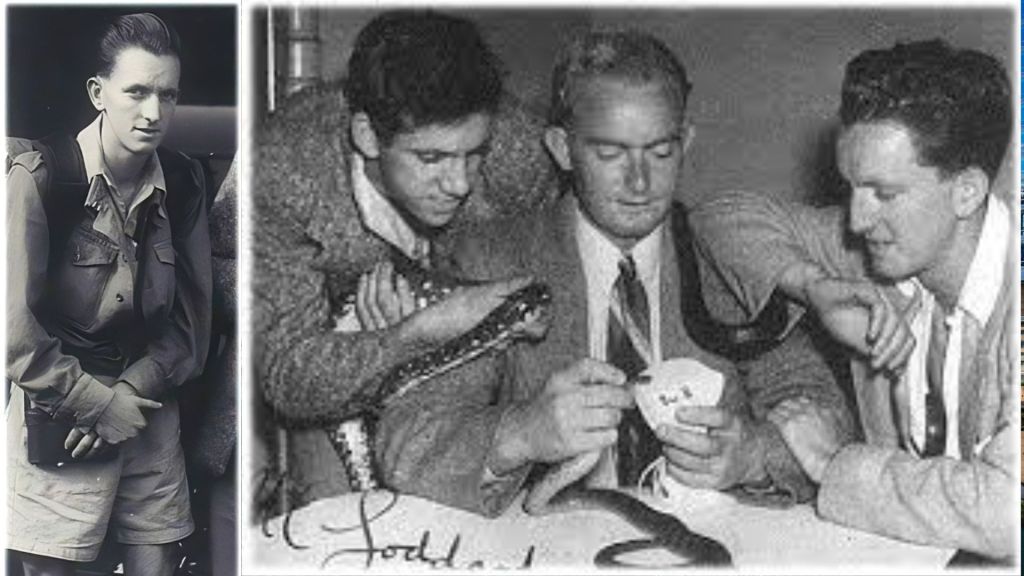
First Pursuit of the Taipan
From the onset, the pursuit of the taipan was far from ordinary. Unlike the numerous snakes Kevin had previously encountered, the elusive taipan presented a challenge like no other. The quest for this venomous creature took Kevin and his team into the heart of Cape York Peninsula, a region known for its unique biodiversity and challenging terrain. It was a departure from Kevin’s urban upbringing in Sydney and a real test of his determination and skills.
Their journey led them through vast expanses of wilderness, where encounters with snakes were frequent, but finding the elusive taipan was like searching for a needle in a haystack. The tropical weather, marked by high temperatures and heavy rainfall, compounded the difficulty of their mission. The thick undergrowth, teeming with all manner of flora and fauna, was a far cry from the open parks where Kevin had honed his craft.
Despite these challenges, the trio pressed on. Each sighting of a large brown snake set their hearts racing, hoping it might be the elusive taipan. They recorded two such instances during their expedition. The first sighting was by Roy and Neville while Kevin was away. A large, honey-brown snake crossed their path, stirring excitement and a frantic scramble to capture it. However, the snake slipped away, leaving them with a palpable sense of what might have been.
The second encounter was indirect, relayed by local Aboriginals who spotted a large brown snake in the bed of the Coen River. Again, their hopes were dashed as the snake managed to elude them despite hours of patient waiting. It was a stark reminder of the taipan’s elusive nature and the challenge that lay ahead. After weeks in the unforgiving wilderness, they returned home empty-handed but undeterred.
Despite the disappointing outcome, the expedition was far from a failure in Kevin’s eyes. The close encounters fueled his determination and brought him closer to his dream of capturing a live taipan. As he returned to Sydney, Kevin carried with him not just the memories of the expedition but a burning desire to return, conquer the odds, and achieve his dream.
Shortly after their return, Kevin received some disheartening news. Neville Goddard was due to travel to Africa for a film project and would not be able to accompany him on a return expedition to North Queensland. However, destiny had different plans. Neville’s Africa trip was canceled, and he was instead assigned to work with Japanese War Criminals in the Admiralty Islands. Once again, Kevin was on his own.
As the winter of 1950 set in, Kevin began planning his second expedition. The experience of his first trip, although not successful, had given him invaluable insights into the habits and habitats of the elusive taipan. This time, he was more prepared, more determined, and undeniably optimistic that he would succeed. Little did he know that his relentless pursuit of the taipan was setting the stage for a series of events that would end in a shocking twist of fate.
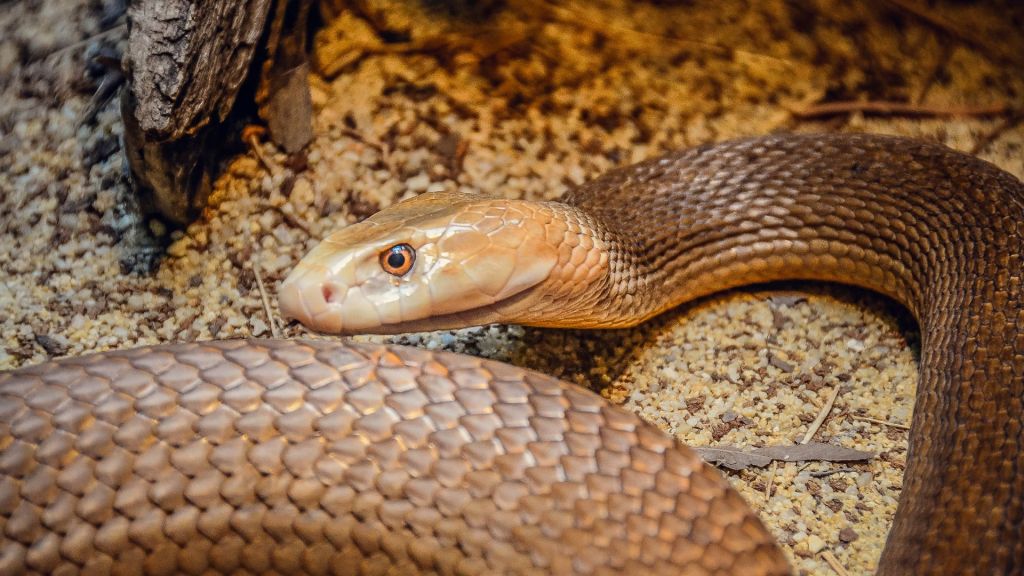
The Fatal Expedition
On the morning of June 1, 1950, Kevin once again bid farewell to his family and friends in Sydney. Armed with the knowledge from his previous expedition, he set off for his second solo quest in the dense rainforests of North Queensland. This time, he was more determined than ever, focusing his search in the area between Atherton and Millaa Millaa in the Tablelands. The passion that drove him was both admirable and a point of concern for those who knew the potential danger of his pursuit.
Kevin’s weeks in the rainforest bore fruit, and he was able to collect 27 specimens, including several pythons and tree snakes, all valuable additions to his collection. Despite the success, the taipan, the snake that had sparked this adventure, still eluded him. Leaving the rainforest, Kevin relocated to Cairns and set up camp at the Cairns Museum, planning a meticulous search of the local area.
The locals, familiar with the dangers of their region, cautioned Kevin against the large brown snakes in the area, many of which were likely taipans. Unswayed, he stayed on course, determined to find and capture a live taipan. A significant lead came when he heard about a big brown snake that had been killed under a house on the outskirts of town. Convinced it was a taipan, he set out to investigate.
On July 27, 1950, under the early morning sunrise, Kevin embarked on his fateful snake hunt in the open scrub country bordering Anderson Street, Manunda. Hours of painstaking search under rocks, logs, and heaps of rubbish yielded no promising results, until a sudden squeal from a pile of rubbish grabbed his attention.
Beneath a sheet of discarded fibro, he found it—a large brown snake in the act of consuming a bush rat. With adrenaline surging through his veins, Kevin managed to trap the snake with his boot. Carefully avoiding the deadly fangs, he seized it by the neck and began the tricky task of transporting it safely. With no immediate help in sight, he walked to Edge Hill Road, clutching his find and hoping for assistance.
Luck seemed to be on his side when a truck pulled up, driven by a man named Jim Harris. Overcoming initial fear and surprise, Jim agreed to transport Kevin and his dangerous cargo to a local snake expert. Upon reaching the expert, it was confirmed that Kevin had indeed caught a taipan. However, in the process of securing the snake in a bag, Kevin’s hold slipped, and in a split second, the taipan struck and bit his left hand.
Despite the bite, Kevin was more concerned about the snake’s well-being than his own. On his way to Cairns Base Hospital, he implored Jim to ensure the snake’s safety, emphasizing its importance for venom research. He downplayed the gravity of his situation, arguing that snake fright was more dangerous than the venom itself. In his relentless pursuit of the taipan, Kevin had not only found his quarry but also sealed his tragic fate.
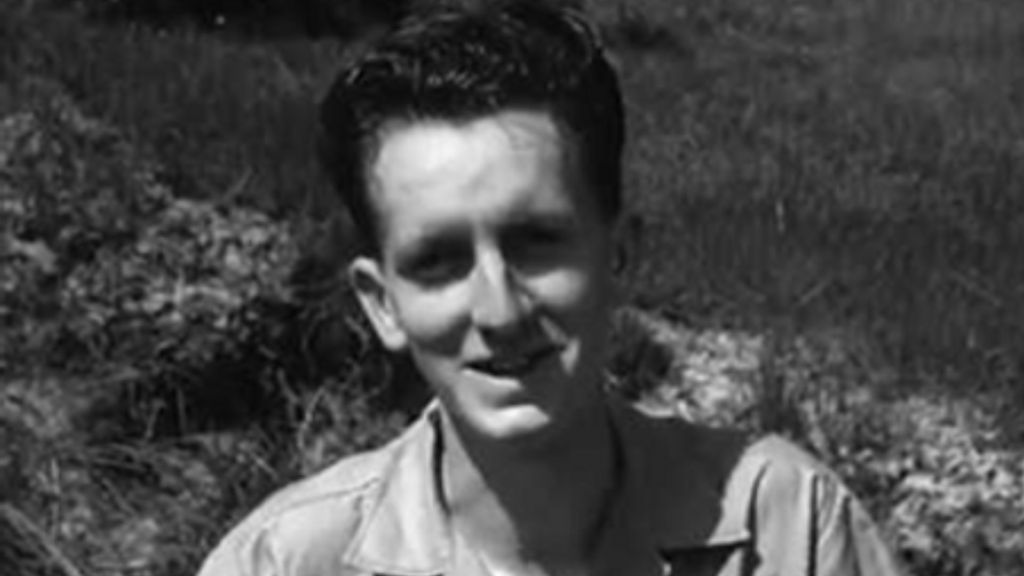
Kevin Budden’s Last Stand
As the ambulance raced through the streets of Cairns, Kevin Budden’s concern wasn’t for himself but for the venomous taipan that had just bitten him. His resolve never wavered; he was adamant that his deadly catch should reach its destination safely. His newfound companion, Jim Harris, shared the urgency and, despite the chilling circumstances, promised to deliver the snake safely for research.
Once at Cairns Base Hospital, doctors fought valiantly against time and the potent taipan venom coursing through Kevin’s veins. While they worked tirelessly, Kevin remained resolute, not allowing himself to succumb to panic. He steadfastly believed that fear of the snake bite was more detrimental than the venom itself—a belief that would both define his final hours and inspire those who came after him.
Despite the best efforts of the medical team, the strength of the taipan venom was overwhelming. Tragically, Kevin Budden passed away on July 28, 1950, just one day after his fateful encounter with the taipan. His death was a shocking blow, but amidst the grief and loss, a powerful legacy was beginning to take shape.
News of Kevin’s demise echoed across the world, reaching his friend Neville Goddard in the Admiralty Islands. Neville heard a newsflash on Radio Australia about a snake expert dying from a snakebite, and he instinctively knew it was Kevin. His worst fears were confirmed in the next bulletin.
Meanwhile, back in Sydney, Kevin’s father, Don Budden, started his day unaware of the grim news. As he listened to the 6:00 a.m. radio bulletin, the announcement of his son’s death made him drop his shaving razor, his hand frozen in shock.
In a sad turn of events, Kevin’s father never got over his untimely death and passed away from grief only seven months later.
In the aftermath of the tragedy, the taipan that Kevin had risked his life to capture remained safe and secure. As per his dying wish, the taipan was transported to the Commonwealth Serum Laboratories in Melbourne. In the hands of capable herpetologists and researchers, the snake would go on to serve a purpose far beyond the dreams of the young man who had given everything to ensure its capture.
In a twist of fate, Kevin’s final act of courage and sacrifice led to a groundbreaking advancement in medical science. Researchers were able to extract venom from the taipan for the very first time. This crucial step enabled a deeper understanding of the potency and effects of taipan venom and laid the foundation for the development of an effective antivenom.
By 1955, just five years after Kevin’s tragic death, the first taipan antivenom was produced—a testament to his dream of aiding science and protecting lives from the deadly snake he had been so fascinated with. The antivenom has since saved countless lives, turning potential tragedies into tales of survival. Each saved life stands as a tribute to Kevin Budden, whose selfless pursuit ended in his untimely death but sparked a legacy that continues to save lives to this day.
Although Kevin Budden’s life was cut tragically short, his enduring legacy lives on. He gave his life in pursuit of his passion, unknowingly setting the stage for a significant breakthrough in snakebite treatment. His determination, courage, and ultimate sacrifice echo through time, reminding us of the remarkable potential within each of us to make a lasting difference. His story serves as both a poignant reminder of the cost of such a deadly pursuit and a testament to the profound impact one person’s passion can have on the world.


 Deep Lore