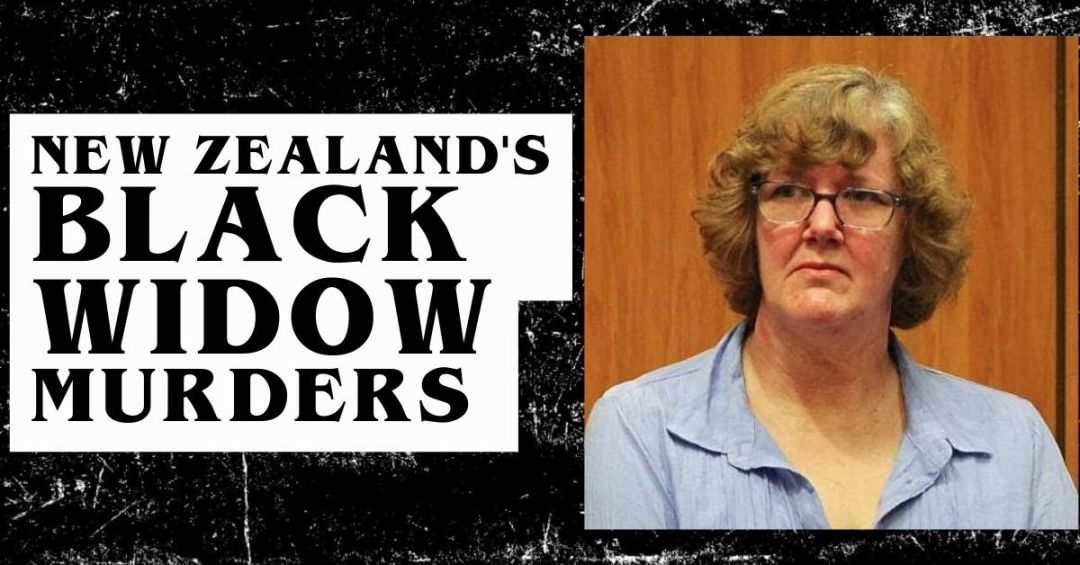
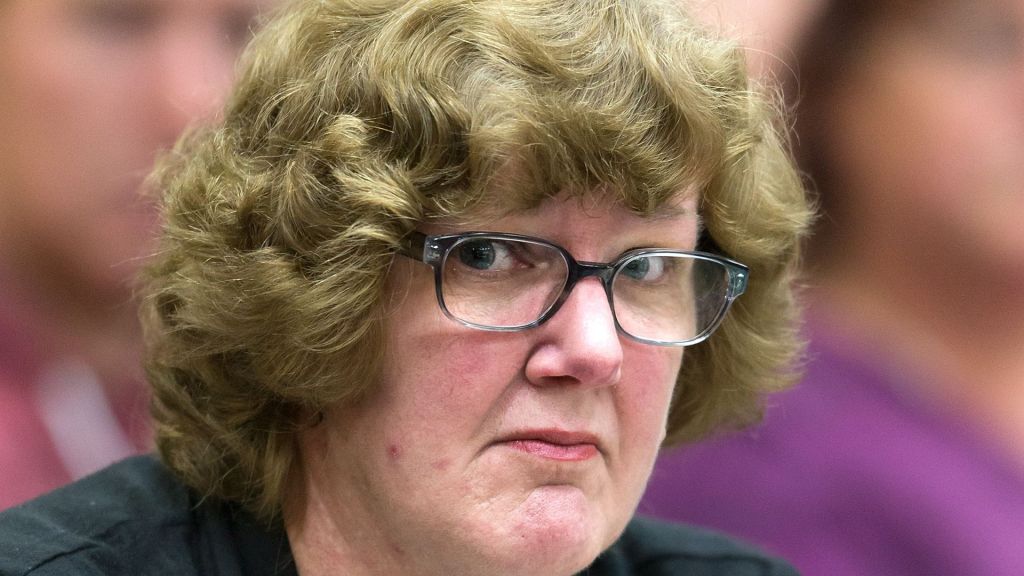
In May 2009, a man named Phil Nisbet was found dead in New Zealand. A lorry driver by profession and the oldest of four siblings, Phil was a trusting individual who had remained in his home country while most of his family moved to Australia. The police ruled his death as a suicide, a shocking and heartbreaking blow to his loved ones. But amongst the shattered family members, a spark of suspicion ignited in one person’s mind – Phil’s sister, Lee-Anne Cartier.
“His biggest fault was that he trusted people too much,” Lee-Anne would later say about her brother. For her, the notion of suicide felt alien, a stark contradiction to the brother she knew, the one who took her to the Girl’s Brigade on his motorbike when she was only eight, the “goody-goody” of the family who didn’t step into a pub until he was 21. The devastating news left her grappling with a profound question: ‘What the heck happened?’
When the autopsy report came back, it revealed that Phil’s body contained high levels of an antihistamine drug he was known to be allergic to. With no other evidence or plausible explanation, Lee-Anne was forced to accept, albeit reluctantly, the theory of suicide. The official story was tragic but seemed straightforward – a man, overwhelmed by life, chose to end it. But as Lee-Anne would soon discover, the story was far from straightforward.
The pivotal turning point came with a disturbing revelation about her brother’s wife, Helen. Their relationship had already been strained for years, following a dispute over Lee-Anne’s son Lance who had stayed with Phil and Helen in New Zealand. Yet, when Lee-Anne tried to say a final goodbye to her brother at his funeral, Helen did not leave them alone. It was an odd insistence that began to gnaw at Lee-Anne.
Unraveling the threads of Phil’s life, Lee-Anne began to stumble upon incongruities. Helen’s changing narrative about the location of Phil’s death and her discovery of a purported suicide note only deepened the mystery. As the doubts began to amass, Lee-Anne knew that she was no longer dealing with a simple case of suicide; she was staring at a complex puzzle that needed solving, even if it meant confronting a killer in her own family.

A Family’s Grief and the Pursuit for Truth
In the aftermath of Phil’s funeral, Lee-Anne found herself entangled in a web of inconsistencies and disconcerting revelations. Phil’s wife, Helen, had discovered a typed suicide note, suggesting Phil had been under the illusion that his son wasn’t biologically his. The signature at the bottom of the note didn’t match Phil’s handwriting. As Lee-Anne read it, a chilling realization struck her, “Oh my God, she’s killed him.”
Simultaneously, Lee-Anne also found herself in a perilous situation. She was staying with Helen, now her prime suspect, far from help and alone. Terrifying as it was, she knew she had to play along, gathering as much evidence as she could without alerting Helen to her suspicions.
As she left New Zealand and returned to Australia, she took her first step in unraveling the mystery by sharing her suspicion and the suicide note with the officer who initially handled Phil’s case. The officer confirmed her doubts: people do not typically type suicide notes. Lee-Anne’s concerns gained more ground as she dug deeper. Her visit to the funeral director who supposedly took a DNA sample from Phil’s body led to an outright denial of Helen’s claim.
Armed with this new information, Lee-Anne returned to New Zealand and arranged a legitimate DNA test, comparing samples from her parents and Ben, Phil’s son. The results confirmed her suspicion: Ben was, indeed, Phil’s son. The allegations in the typed note were false, leading Lee-Anne to question what else Helen might have lied about. As she interviewed Helen’s work colleagues, she learned of the dark moniker they had given Helen, “the black widow.” They shared stories of her asking about rat poison and ominous comments about Phil’s impending absence. The pieces of a grim puzzle were coming together, painting a picture that was far from a clear-cut suicide.
Lee-Anne knew she had to tread carefully to not alert Helen while she collected more evidence. But one day, unable to bear the lies, she confronted Helen, ending any chances of extracting further information directly from her. The evidence Lee-Anne had gathered was passed on to the police, but to her disbelief, no action was taken. However, Lee-Anne was far from giving up. A year after Phil’s death, she discovered she could request an inquest at the coroner’s office, and with new determination, she did exactly that. It was a battle that would prove more difficult than she could ever have anticipated, and as each day passed, Lee-Anne could only hope that the truth about her brother’s death would not remain buried.
Unmasking the Black Widow
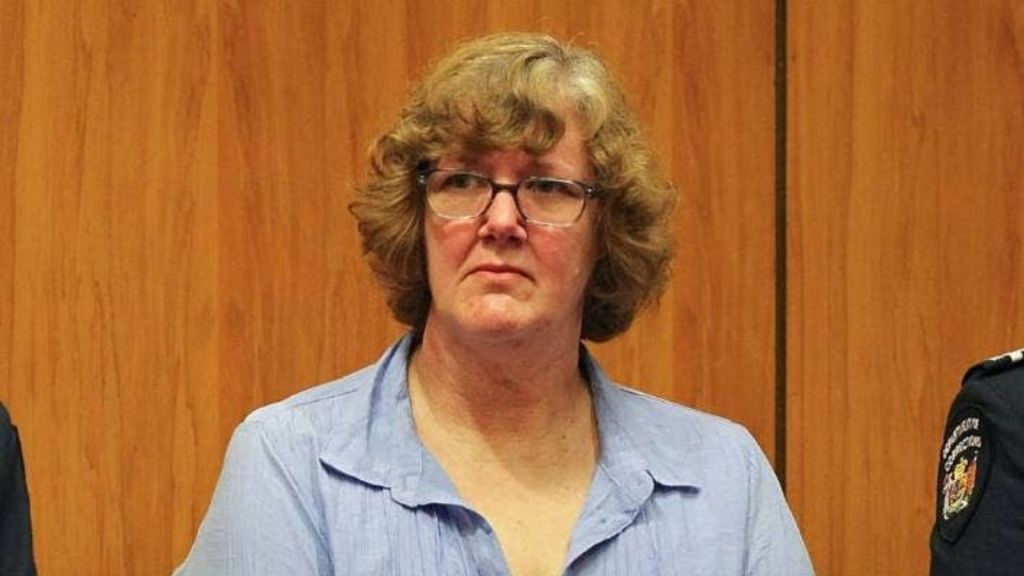
The slow grind of the justice system proved agonizing for Lee-Anne, who had been singlehandedly waging a battle against Helen. Finally, the coroner’s office published its findings six months after the inquest, casting doubt on the initial verdict of suicide. This sparked the police to reopen Phil’s case, giving Lee-Anne the opportunity to submit her evidence again.
While the case gathered momentum, shocking charges were brought against Helen. In addition to murder, she was accused of two counts of attempted murder, suggesting a sinister pattern. The courtroom drama that unfolded in December 2013 saw Helen in the dock and Lee-Anne facing her from the witness stand. The defense claimed Lee-Anne had a vendetta against Helen, but she persevered, withstanding a brutal cross-examination and unrelenting media attention.
On the day of the verdict, Lee-Anne and her family, carrying Phil’s ashes in a casket, rushed to the courtroom. The jury had reached a decision. On the first count of attempted murder, not guilty. On the second count, guilty And on the charge of murder, guilty. Lee-Anne’s long fight had led to the truth finally being recognized.
Helen received a life sentence, with the possibility of parole after 17 years. The ordeal led to the police acknowledging Lee-Anne’s invaluable contributions and apologizing for the initial shortcomings in their investigation.
In the aftermath, Lee-Anne decided to study criminology, hoping to help others navigate the complex criminal justice system. She still grieved for her brother, the absence of his presence was felt on family birthdays and gatherings, leaving a void no one could fill. As for Helen’s motivation for this brutal act? Lee-Anne concluded it was financial greed, particularly the prospect of a $250,000 life insurance payout. The tragic tale of Phil Nisbet and his sister’s relentless pursuit of justice was a chilling reminder of the dark depths of human nature, and the strength of familial love to uncover the truth.


 Deep Lore