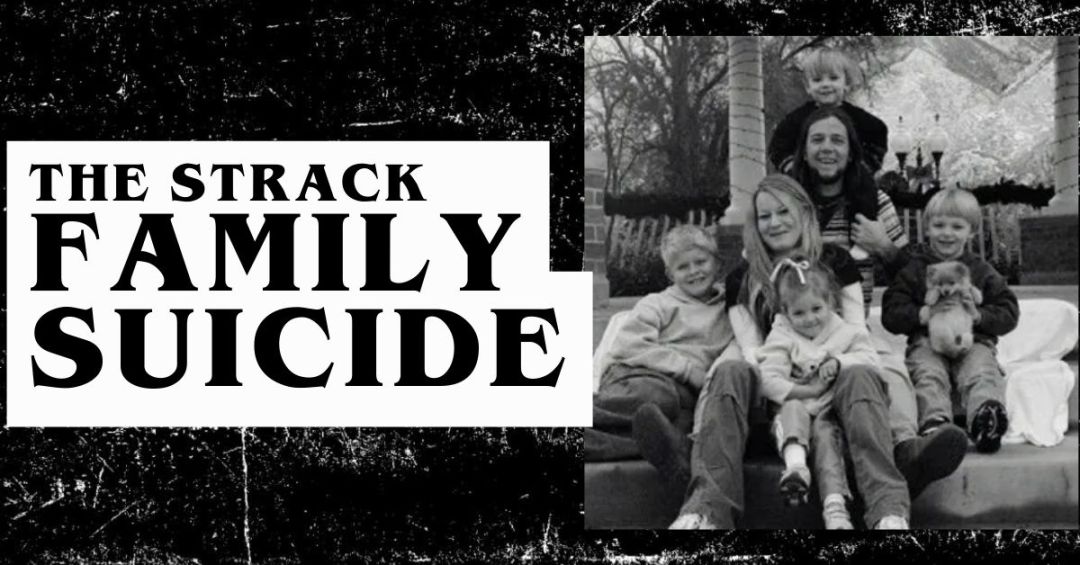
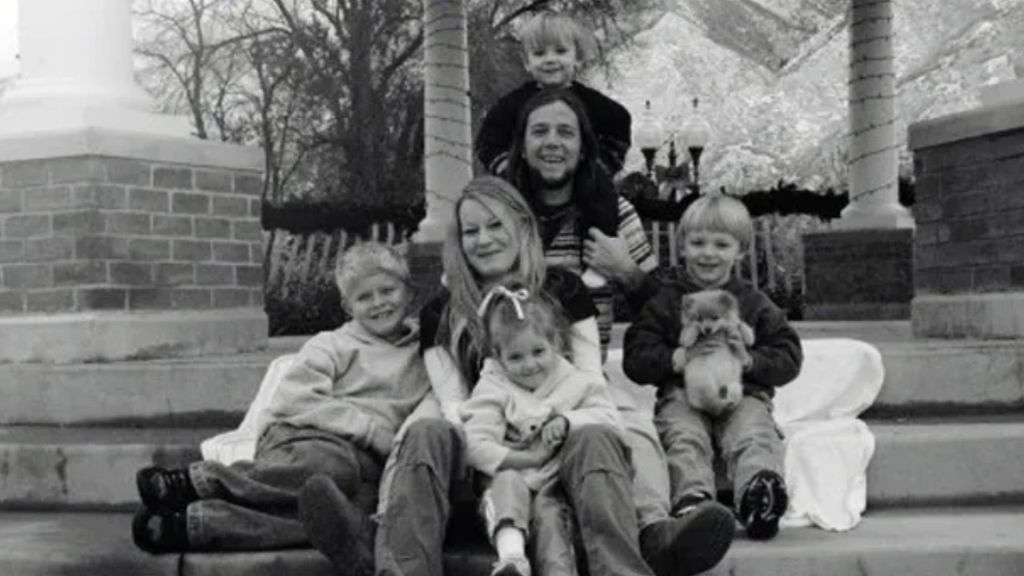
In the twilight hours of September 27, 2014, a quiet neighborhood in Springville, Utah, became the setting for a chilling discovery that would reverberate across the nation. An all-American family of seven, the Stracks, had met a grim end inside their quaint suburban home. Unbeknownst to their close-knit community, dark secrets and a devastating tragedy were about to unfold.
As the evening approached, the Stracks’ 18-year-old son returned home from an ordinary day out with his girlfriend. The house, usually bustling with life, lay still and eerily quiet. A silence so deafening that it sparked an undercurrent of fear. The door to his parents’ bedroom was locked, an anomaly that marked the beginning of a chilling sequence of events.
Alarmed by the uncharacteristic quietude and the inaccessible bedroom, the girlfriend reached out to the son’s grandmother. Rushing over to the house, the grandmother, consumed by an unsettling sense of dread, mustered the courage to force the locked bedroom door open. The sight that greeted them was a horrifying tableau that would haunt them for the rest of their lives.
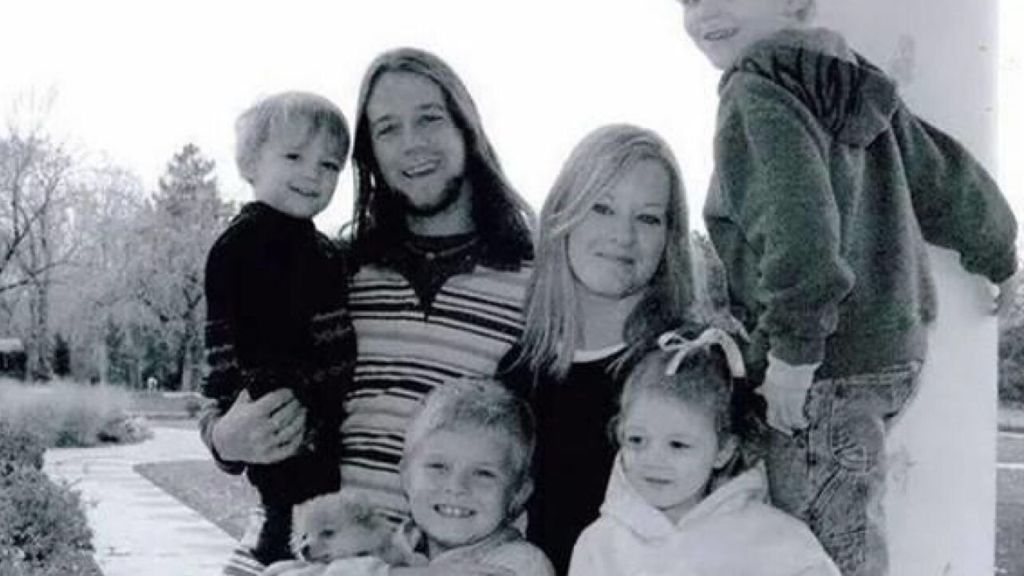
Lying lifeless were Benjamin Strack, 37, his wife Kristi, 36, and three of their youngest children—Benson, 14, Emery, 12, and Zion, 11. Their bodies were systematically arranged on the bed, with mattresses strewn across the room. It was a disturbingly peaceful scene, concealing the horror of their fate. A friend accompanying the grandmother dialed 911, struggling to articulate the horrific sight—a whole family seemingly wiped out by suicide.
The Springville community was left reeling as the news broke. The Strack family, seemingly average and unassuming, had transformed into the center of a horrifying mystery overnight. Local newspapers and TV stations descended upon the tranquil suburb, broadcasting the shocking news that rippled out far beyond the town’s borders. Social media platforms were ablaze with speculations and theories, and the name “Strack” became synonymous with a grim, unfathomable tragedy.
The Investigation Deepens
The murder-suicide of the Strack family had left a community in shock, a nation gripped with morbid curiosity, and investigators staring into an abyss of questions. The journey to unravel the truth behind the tragedy would lead them down a twisting path filled with secrets, desperation, and an inexplicable connection to one of Utah’s most notorious criminals.
As the Strack family’s home became a gruesome crime scene, detectives and forensic experts began their meticulous work. The process of sifting through the evidence was both chilling and confounding. Empty medication containers, a lethal concoction in a plastic pail, and letters between Kristi Strack and a convicted murderer were just a few of the perplexing clues discovered.
Autopsies revealed toxic levels of diphenhydramine and methadone in the children’s systems. The parents had consumed an even more complex cocktail of drugs. The mother’s history of heroin abuse and the father’s frequent absences from work added more layers to the unfolding mystery. While the parents’ deaths were ruled suicides, the deaths of the younger children were classified as homicides, leaving open the dark question of whether they had participated willingly in their parents’ tragic plan.
Kristi Strack had been in communication with murderer Dan Lafferty. Dan Lafferty and his brother Ron Lafferty were convicted for the July 1984 murders of their sister-in-law Brenda Lafferty and her infant daughter Erica.
Interviews with Lafferty, conducted in the stark environment of the Utah State Prison, provided more context but also more confusion. Lafferty claimed ignorance of any suicide plans, yet his intimate relationship with the Stracks and the family’s apparent fascination with him could not be ignored. The depth of their connection was underscored by his request to have his remains handled by the Stracks after his death.
Police interviews with relatives and friends revealed a deeply troubled family, consumed by apocalyptic fears and suicidal thoughts. The parents’ belief in impending doom, the mother’s addiction struggles, and the father’s mysterious absences all painted a grim picture of a family on the brink.
The 14-year-old son’s goodbye note to a friend was a haunting testament to the unfolding tragedy, a tangible piece of evidence that hinted at his awareness of the impending end.
The Final Results
The horrifying discovery of the Strack family’s lifeless bodies, the labyrinthine police investigation, and the chilling connection to one of Utah’s most notorious criminals set the stage for an unforgettable tragedy. As the pieces of the puzzle began to align, a dark and disturbing portrait of desperation, delusion, and destruction emerged.
After months of relentless scrutiny, the final conclusions were laid bare. The police determined that the Strack parents had committed suicide, while the deaths of the two younger children were ruled homicides. The cause of death for the 14-year-old was left undetermined, leaving the haunting question of his willingness or coercion unresolved.
While Dan Lafferty’s relationship with the family was alarming, the investigation ruled out any direct involvement in the murder-suicide plot. However, the Stracks’ fascination with Lafferty, their apocalyptic beliefs, and their secretive preparation for “leaving this world” were inescapable factors leading to their tragic end.
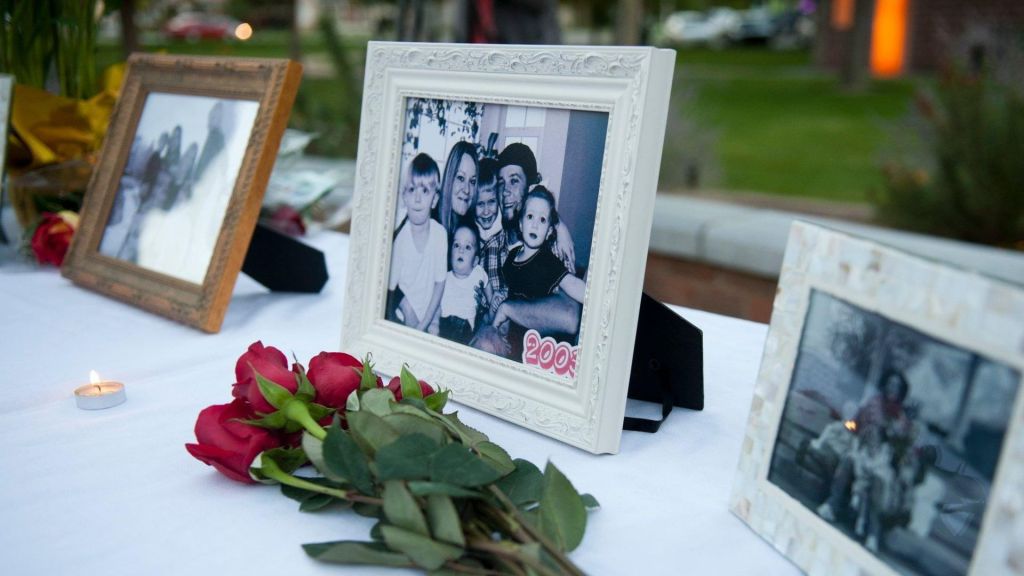
The Strack family’s deaths sent shockwaves through Springville, Utah, and beyond. Friends, neighbors, and community members grappled with grief, confusion, and a profound sense of loss. The small town was thrust into the national spotlight, becoming a symbol of an inexplicable tragedy.
Counselors, religious leaders, and community activists worked tirelessly to provide support, guidance, and healing to those affected by the family’s demise. The grim tale ignited discussions about mental health, addiction, parental responsibility, and the dangers of extreme religious beliefs.
The shadows cast by this tragedy will linger long after the investigation has closed, a somber reminder of a family lost, a community shattered, and lessons we must heed. The legacy of the Strack family serves as a grim beacon, illuminating the dangers of unchecked desperation and distorted beliefs. It’s a story that will continue to resonate, warn, and intrigue for generations to come.
In the aftermath of this heart-wrenching event, Springville experienced a transformation. The once idyllic neighborhood struggled to cope with the reality of what had happened within its borders. The tragedy shook the community’s faith in safety and security and the assumption that terrible things could never happen in their midst.
Despite the tragedy, the Strack family’s memory lives on. Their story serves as a stark reminder of the fragility of life, the depth of human despair, and the importance of compassion and support. As the years pass, their tale will continue to be studied and analyzed, not only for the horror of their end but also for the lessons it holds for a society striving to understand and prevent such tragedies from happening again.


 Deep Lore