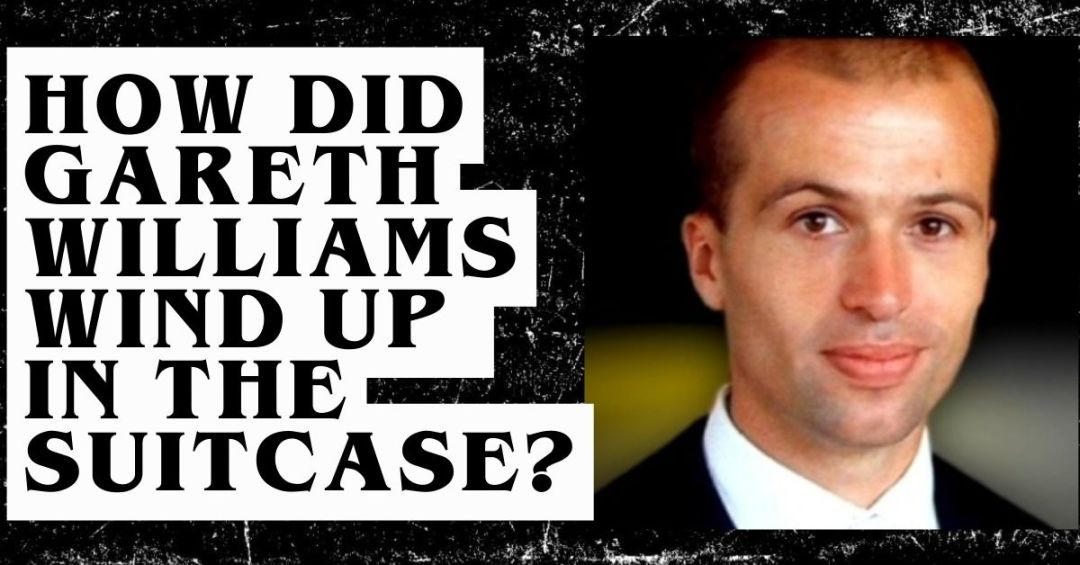
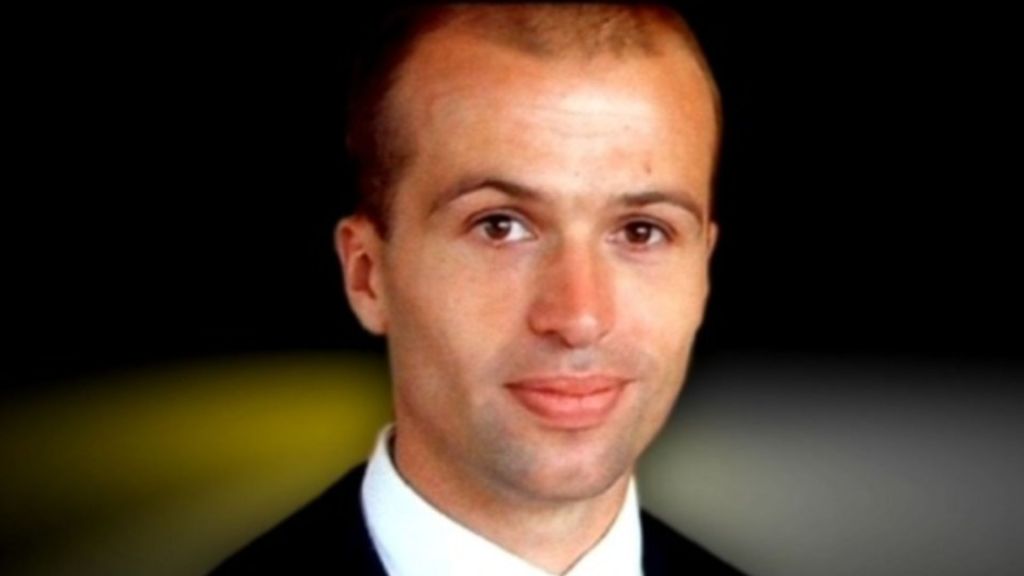
Sunlight filtered through the windows of a London flat, casting a muted glow over its contents. Amidst the mundane, something was amiss—a bag. Inside lay the lifeless body of Gareth Williams, an MI6 agent known for his impeccable skills and secretive profession. The scene was eerily reminiscent of a thriller novel’s climax, yet tragically real and deeply unsettling.
Gareth Williams wasn’t just any London resident; he was a cipher, a codebreaker. His positions with MI6 and the Government Communication Headquarters (GCHQ) granted him access to some of the nation’s deepest secrets. A mathematician from Anglesey, he breezed through his math GCSEs at an age when most kids grapple with algebra, becoming one of the country’s top intelligence minds. But how did such a decorated agent end up in a situation that seemed surreal in its macabre nature?
The discovery sent shockwaves throughout the nation. News channels buzzed with updates, reporters scrambled for exclusives, and the public, ravenous for answers, watched in a mix of horror and fascination. The flat, located in the heart of the bustling city, became ground zero for an investigation that promised more twists and turns than the most intricate spy novels.
As hours turned into days and days into weeks, the puzzle deepened. Initial reports suggested no signs of forced entry. There weren’t any immediate indications of a struggle, and the surroundings seemed almost ordinary. Yet, there was nothing ordinary about an intelligence officer, who had dedicated his life to the shadows, being found in such a vulnerable and exposed state. The immediate question on everyone’s mind was simple yet profound: What happened to Gareth Williams?
The challenge ahead was clear. Gareth’s death circumstances were not just an inquiry into an individual’s demise, but a pressing question mark on the vulnerabilities and threats that even the most covert operatives might face. As investigators delved deeper, they were about to uncover layers that went beyond a locked bag in a quiet flat.

Delving into Shadows: Theories and Investigations
As news of Gareth Williams’ baffling death spread like wildfire, theories emerged from every corner. The intelligence world is no stranger to subterfuge and intrigue, and Williams’ demise became a canvas on which myriad speculations were painted. From professional hits to personal vendettas, every possibility was dissected, debated, and deliberated.
The official inquest into his death added fuel to the speculative fire. The conclusion of an “unnatural death” was unsettling and unsatisfying. What did it mean? Was it a covert assassination or an accident gone wrong? The ambiguity of the term left many questions in its wake, particularly for the public and true crime enthusiasts who were eager to answer them.
One of the most discussed theories revolved around Williams’ work and his proximity to a potentially explosive secret. Whispers in the corridors of power suggested that Gareth was on the verge of unmasking a Russian mole deeply embedded within the UK’s security apparatus. Norman Baker, a former Liberal Democrat minister, voiced this suspicion, hinting at the possibility of Williams being poisoned during a clandestine meeting. The gravity of such a revelation, if true, was not lost on anyone: had Williams become a casualty in a shadowy game of international espionage?
Yet, while the world of spies and covert operations was rife with danger, another side of the story began to emerge, pulling the narrative in a completely different direction. The media, always hunting for sensational angles, latched onto details of Williams’ personal life. Reports of wigs, expensive lingerie, and women’s designer clothing found in his flat painted a picture of a man with personal secrets. Videos and other discoveries hinted at a side of Williams that few knew, seemingly at odds with the image of a reserved intelligence officer. But did this have any relevance to his death? Or was it a mere distraction from the real story?
As days turned into weeks, the investigation seemed like a maze with no clear exit. Every lead, every piece of evidence, and every testimony added to the complexity. The intelligence community, usually shrouded in secrecy, now faced scrutiny, with every operation, contact, and decision of Gareth Williams under the microscope.
The question remained: In a world where the line between friend and foe is often blurred, who stood to gain from silencing Gareth Williams? And more importantly, why?

Closure, or Lack Thereof
The weeks following Gareth Williams’ death became a whirlwind of media attention, public speculation, and rigorous investigations. As the dust settled, the longing for closure became palpable. However, in the world of espionage and mysteries, closure is often elusive.
The final verdict on Gareth’s death was met with a mix of relief, skepticism, and frustration. The suggestion that he had accidentally locked himself inside the bag, unable to free himself, seemed too simple for such a complex individual in a world of intricate plots. How could someone so skilled, and meticulous meet such an unceremonious end?
While the official stance leaned towards a tragic accident, doubts lingered. The absence of DNA evidence at the scene, the seemingly sanitized state of the apartment, and the discrepancies in testimonies added layers of uncertainty. For many, the narrative of an accidental death was convenient, a way to close a chapter that was too uncomfortable to leave open.
The ripple effects of Williams’ death extended beyond his London flat. Intelligence communities worldwide examined protocols and the operatives’ safety. If someone of Williams’ caliber could be compromised, what did it mean for others in the field? The incident reminded us all that vulnerabilities reach even into the shadows.
In the end, Gareth Williams’ mysterious death’s legacy testified to life’s complexities, existence’s fragility, and the enduring human spirit’s truth-seeking quest. The world might not secure a definitive answer to that fateful day. Nonetheless, Gareth’s memory remains a beacon, urging questioning, seeking, and never halting the pursuit of truth.


 Deep Lore