
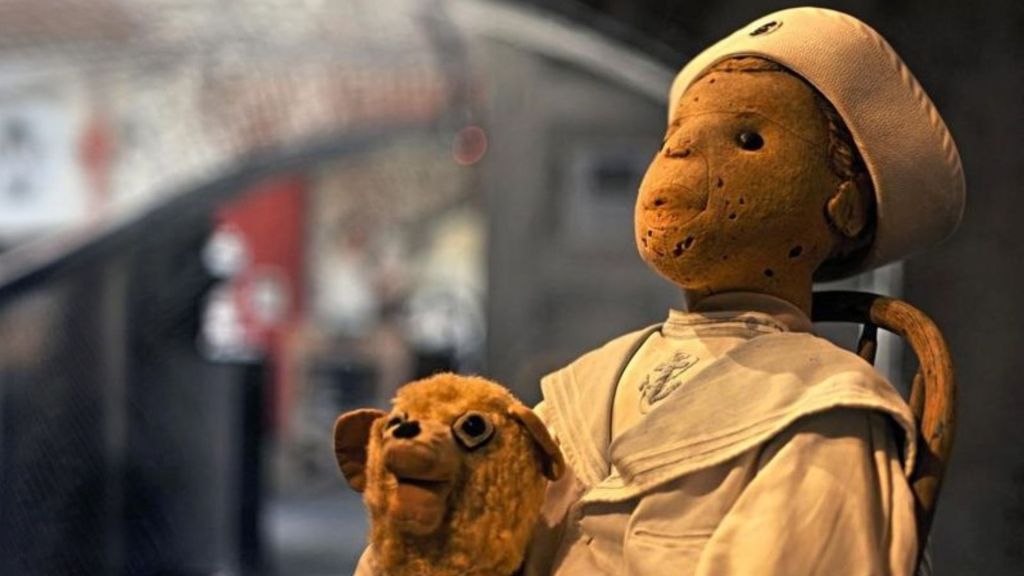
Imagine walking into a room filled with relics of the past, only to be greeted by a face that’s not quite human, eyes that seem to pierce through you, and a smile that sends shivers down your spine. Meet Robert the Doll, a 117-year-old toy that has fascinated and terrified generations. But what makes this seemingly innocuous object the subject of horror stories, legends, and nightmares?
In the heart of Key West, Florida, resides a toy like no other. Created by the Steiff Company in Germany, Robert was a unique part of a set designed for a window display of clowns or jesters. What sets Robert apart, however, is the unnerving bond he developed with his owner, Robert Eugene Otto, an eccentric artist from a prominent Key West family.
Gifted to Otto by his grandfather during a trip to Germany, Robert soon became more than just a plaything. People around Otto began to notice what they described as an “unhealthy relationship” with the doll. Otto’s attachment to Robert transcended normal child’s play – he talked about Robert as if he were a living entity and took him everywhere.
The mystique of Robert the Doll grew as young Otto began to blame mishaps on his lifeless companion. While most would dismiss such claims as childish imagination, adults too started to notice odd occurrences, especially as Otto and Robert aged.
Living in a stately home known as “The Artist House,” Robert was often seen positioned at the upstairs window. Schoolchildren swore that he would appear and reappear, leading them to avoid the house altogether. Even after Otto’s death in 1974, the new caretaker, Myrtle Reuter, reported strange happenings, such as footsteps in the attic and giggling, and she claimed that Robert’s expression would change if anyone spoke ill of Otto.
The story of Robert the Doll is one of intrigue, legend, and a seemingly inexplicable bond between a man and a toy. A childhood gift that turned into a lifelong companion, and a companion that turned into a subject of horror and fascination. The origins of Robert are shrouded in mystery, and his early years with Otto laid the groundwork for a tale that continues to captivate the minds of those who dare to delve into it.
A Museum Sensation and Cultural Phenomenon
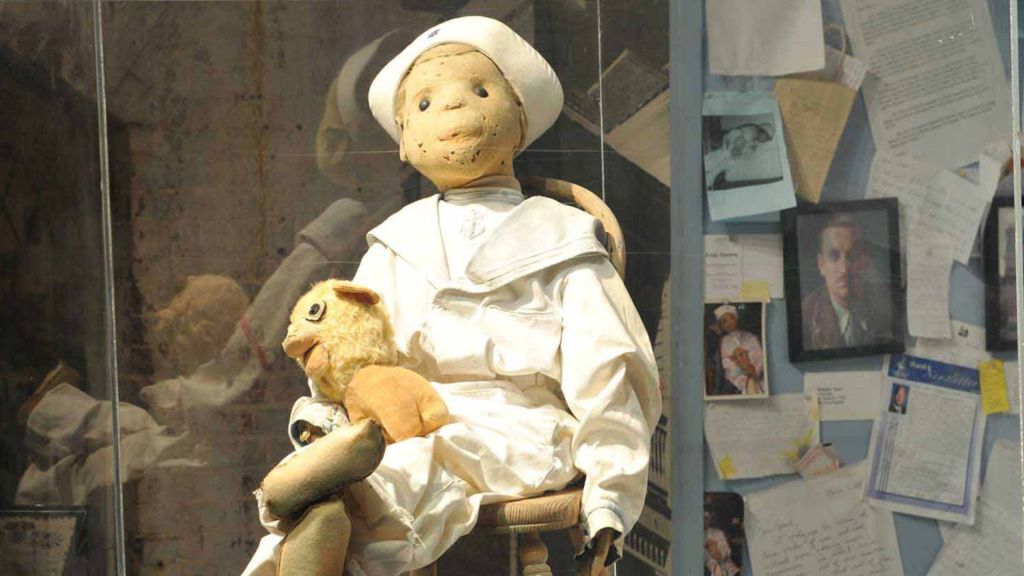
In 1994, Robert found a new home at the Fort East Martello Museum. Safely encased in a specially designed display with humidity control and UV-filtering glass, Robert might have seemed tamed, but the reports of misfortunes attributed to the doll continued to roll in. Whether accidents, broken bones, or divorces, the stories around Robert only intensified, drawing more visitors to his display.
Since arriving at the museum, Robert has inspired TV shows, horror movies, ghost tours, and even a social media presence. His face has been photographed alongside celebrities, and his aura has been analyzed by enthusiasts. From t-shirts to replicas, the commercial appeal of Robert has expanded, making him not just a museum exhibit but a cultural icon.
Robert’s popularity has reached such heights that he even receives daily letters. These letters aren’t typical fan mail but are often apologies or requests for advice. Many visitors attribute their post-visit misfortunes to failing to respect Robert and writing begging for forgiveness, while others ask him to hex those who have wronged them. Some even send him candy, honoring a known sweet tooth that has become part of his legend.
Cori Convertito, Robert’s caretaker at the museum, has the unique responsibility of tending to him, from administering annual check-ups to managing his social media feeds. Her relationship with Robert, as she describes it, is professional and without incident. She even once used Robert’s image in a successful campaign to garner votes for a museum grant. But when asked if she believes Robert is haunted, Convertito’s answer remains noncommittal: “I don’t know. I really don’t.”
Robert the Doll has transcended the boundaries of an ordinary toy to become a phenomenon that continues to captivate and mystify people around the world. From his position behind the glass at the Fort East Martello Museum, Robert seems to watch the world, maintaining a presence that goes beyond his physical form.
Legends and Legacy of the Doll
The mysteries surrounding Robert the Doll go far beyond his unsettling appearance. In the final part of this series, we take a closer look at the legends and lore that have turned a simple toy into a figure both adored and feared. From supernatural claims to theories rooted in psychology, the puzzle of Robert continues to intrigue.
The legend of Robert’s supernatural abilities traces back to the childhood of his first owner, Robert Eugene Otto. According to the tales, young Otto began to blame mishaps on the doll, a claim that could have been dismissed as childish storytelling. However, adults too began to notice strange occurrences around Robert, especially as Otto grew older. The legend grew, and soon Robert was credited with causing car accidents, broken bones, and even divorce.
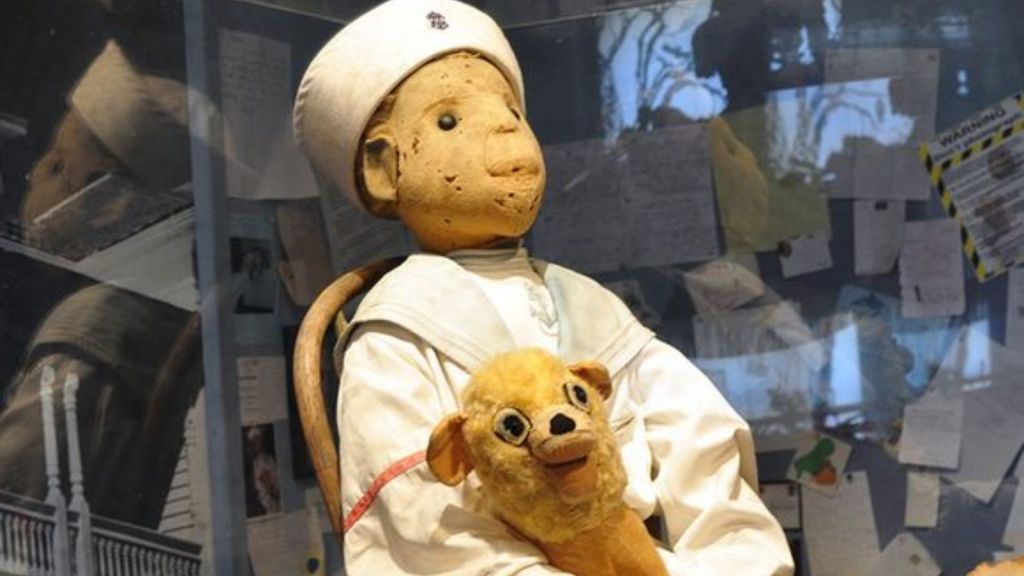
Various versions of Robert’s legend abound. Some claim that the doll can move, change facial expressions, and even make giggling sounds. Others recount stories of Robert moving voodoo figurines or reacting negatively to disparaging comments about Otto. A young girl of “Bahamian descent” is sometimes credited with gifting Otto the doll as retaliation for a wrongdoing, infusing it with voodoo magic. The accounts vary widely, but each adds to the mystique surrounding Robert.
Beyond the supernatural, some believe that the legend of Robert may be rooted in psychological phenomena. The power of suggestion, coupled with our innate tendency to find patterns and connections, may lead people to attribute unrelated misfortunes to their encounter with the doll. The belief in Robert’s powers becomes a self-fulfilling prophecy, as those who fear the doll may subconsciously act in ways that bring about the very misfortunes they dread.
Robert the Doll’s influence extends beyond mere legend. He has become a symbol of the uncanny and a testament to our fascination with the mysterious. The commercial success, cultural references, and continued interest in Robert reflect our enduring attraction to the unknown. Whether through movies, merchandise, or social media, Robert’s legacy persists, bridging the gap between historical artifacts and modern pop culture.
Robert the Doll is more than a century-old toy; he’s a complex tapestry of legend, human psychology, and cultural phenomena. From his creation by the Steiff Company to his current residence in the Fort East Martello Museum, Robert’s journey is a fascinating study of how stories evolve and how a simple object can take on a life of its own.


 Deep Lore