
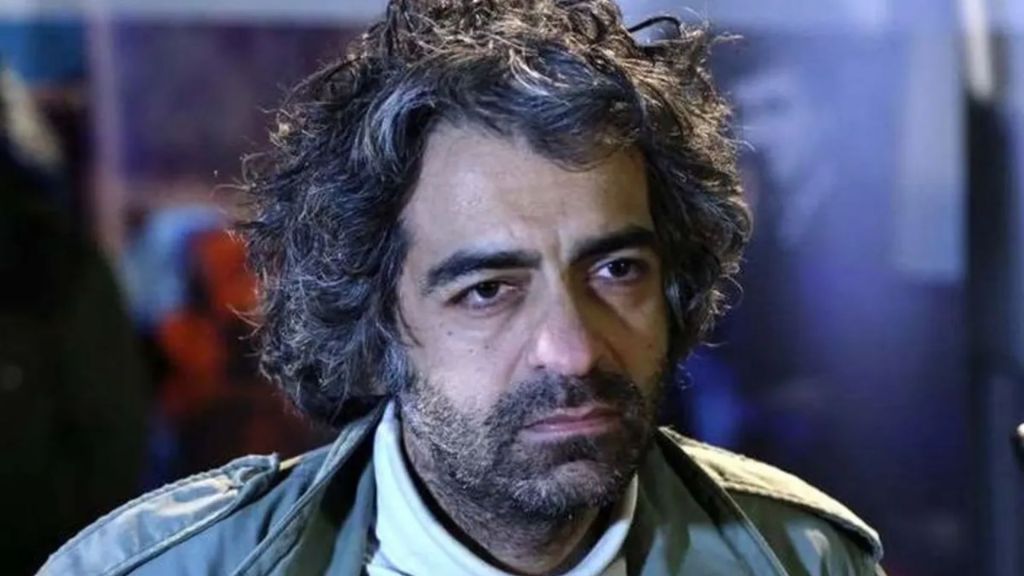
Tehran, a city renowned for its rich history and tales of yore, suddenly found itself in the grip of a modern-day horror story, darker and more chilling than any it had known before.
Babak Khorramdin wasn’t a mere footnote in Tehran’s vibrant arts scene; he was a luminary. A filmmaker celebrated for his unique storytelling prowess, he had the ability to transport viewers into worlds crafted through his imaginative lens. But in a gut-wrenching twist, Babak became the central figure in a narrative more gruesome than any he’d ever depicted on screen.
Initial whispers about his disappearance were met with concern, but as more details started to emerge, that concern turned to collective shock. The fragments of information painted a picture so macabre it was difficult to digest: Babak had met a grisly end. The vibrant filmmaker, full of dreams and aspirations, had been drugged and then dismembered. But the horror didn’t stop there. The culprits behind this unspeakable act were allegedly none other than his own parents, who went to chilling lengths, discarding his remains in nondescript trash cans, trying to erase their heinous act from history.
Tehran, a city that never truly sleeps, felt a palpable heaviness. The bustling lanes, usually filled with the cacophony of daily life, were now awash with murmurs of tragedy. Street vendors, office workers, and schoolchildren alike grappled with the same haunting question: How could parents, the very embodiment of love and protection, commit such an act against their own flesh and blood?
Local newspapers and television channels, usually filled with the day’s events and political discussions, gave prime space to the Khorramdin tragedy. Interviews with distraught friends and peers of Babak painted a portrait of a passionate artist whose life was snuffed out in its prime. Personal anecdotes poured in, each adding a layer to the legacy Babak left behind—a legacy now overshadowed by the gruesome details of his demise.
As the city tried to come to terms with the chilling events, a deeper dive into the Khorramdin family’s history began, with everyone searching for signs, clues, or any indication that could explain the inexplicable.
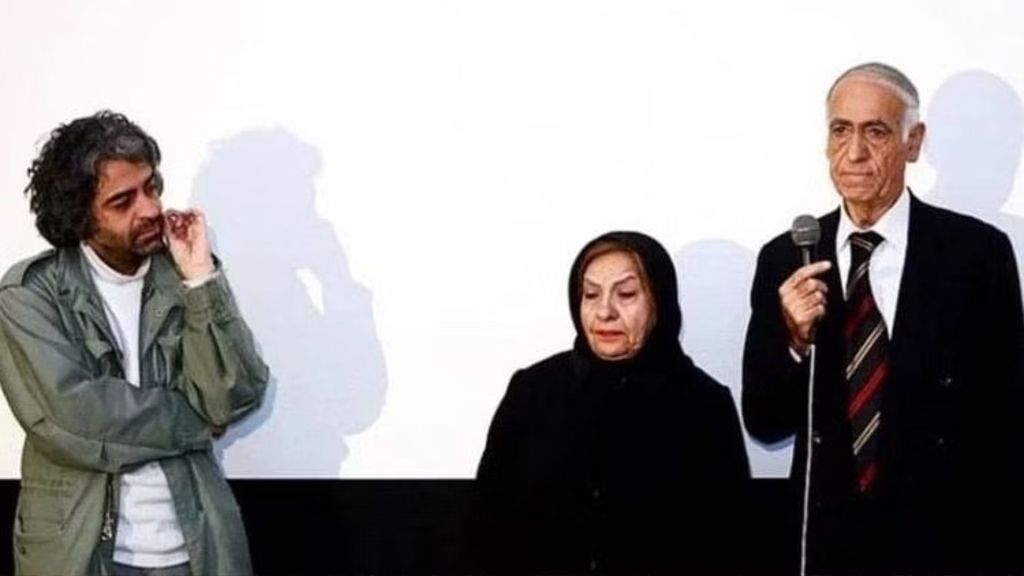
Shocking Confessions from the Elder Khorramdins
As Tehran wrestled with the grim reality of Babak’s demise, the city’s law enforcement was working tirelessly behind the scenes, piecing together the fragments of this gruesome puzzle. The trail led them to an unassuming home, where 81-year-old Akbar Khorramdin and his wife resided. What followed was a revelation that sent further shockwaves through the community.
Upon their arrest, the elderly couple, seemingly undeterred by the weight of their actions, made confessions that would darken the already grim narrative. It wasn’t just Babak. The couple chillingly admitted to having played a role in the disappearance of their own daughter and son-in-law. Two more souls lost, two more tales of dreams and aspirations brutally cut short.
The city, already reeling from the loss of a beloved filmmaker, now had to grapple with the knowledge that the Khorramdin household had allegedly been the setting for a series of macabre acts spanning years. The question on everyone’s lips shifted from “How could they?” to “Why?”
Akbar Khorramdin, attempting to provide some form of rationale for the unfathomable, cited the “moral corruption” of his children as the driving force behind the crimes. This justification, rooted in a twisted sense of honor and distorted perceptions of right and wrong, provided a chilling glimpse into the mindset of the perpetrators.
Neighbors and acquaintances, in their interactions with the media, painted a mixed picture of the elderly couple. Some spoke of them as quiet and reserved, while others recalled moments that, in hindsight, seemed to hint at the darkness that lurked within.
The Khorramdin case wasn’t just a crime story anymore; it was a deep dive into the human psyche, a stark reminder of the depths to which individuals could sink when consumed by misguided notions of honor and morality.
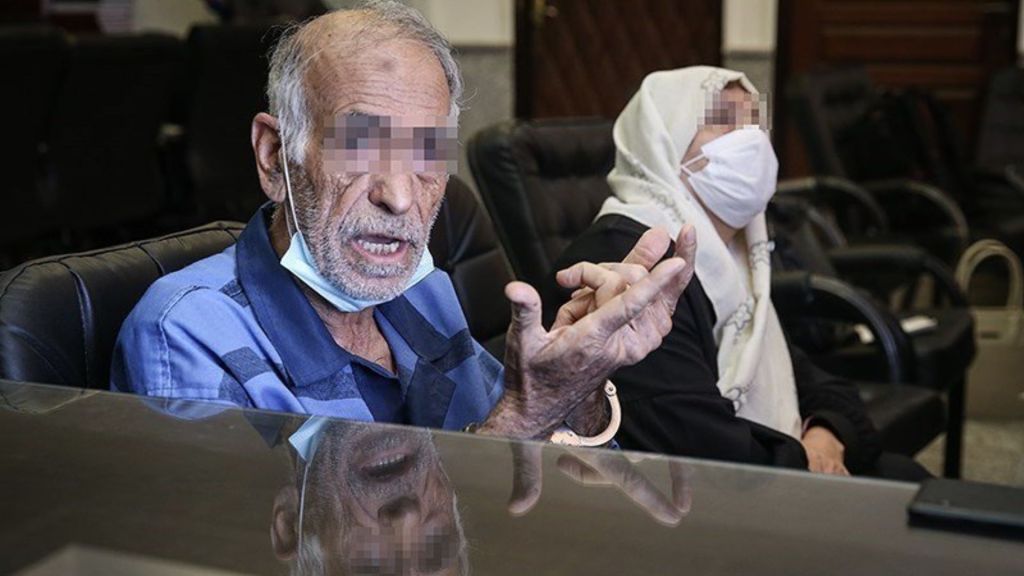
Societal Repercussions and Legal Implications
The Khorramdin case, with its layers of tragedy and horror, transcended the realm of crime to become a mirror held up to Iranian society. It instigated introspection, debate, and a desperate search for understanding within the cultural and legal fabric of the nation.
As the news of the Khorramdins’ confessions spread like wildfire, it ignited discussions far beyond Tehran’s city limits. The case morphed into a symbol of the larger issues at play within Iranian society. Was this a mere isolated incident, or was it emblematic of deeper cultural undercurrents? Conversations turned to the role of honor and sexual propriety in shaping individual actions. How had such values, seen by many as foundational pillars, been twisted to justify unspeakable acts?
Legal scholars and human rights activists seized the moment to highlight potential gaps in the Iranian legal system. The case shed light on laws that may inadvertently provide cover for perpetrators, especially when acts of violence were committed within family confines. The concept of a legal guardian’s authority, traditionally respected and rarely questioned, came under scrutiny. Was the system, in its current form, inadvertently eroding protections for potential victims?
As vigils were held for Babak and the other victims, a movement began to take shape. Citizens, activists, and lawmakers alike called for reforms, aiming to ensure that such tragedies would not be repeated. The hope was to transform the sorrow and outrage into tangible change, making the nation safer and more just for all its inhabitants.
In the midst of the storm, one thing became clear: The Khorramdin case would be etched in the annals of Iranian history, not just as a tale of a family gone astray but as a catalyst for societal reflection and potential legal evolution.


 Deep Lore