

The landscape of American crime is dotted with nefarious figures, but few are as chilling as Arthur Shawcross, famously known as the “Genesee River Killer.” But every monster has an origin, and Shawcross’ tale is a tapestry of dark threads woven from his earliest years.
Emerging from the scenic backdrop of Kittery, Maine, on June 6, 1945, Shawcross began life far from the horrors he would later commit. His family, in search of better prospects, relocated to Watertown, New York, a picturesque town cradled by the waters of Lake Ontario. Here, young Arthur’s childhood narratives began to diverge.
He portrayed his younger years as a maelstrom of dysfunction. He spoke of a domineering mother, whose oppressive presence cast a long shadow over his formative years. With a voice often laden with emotion, he recounted tales of sexual abuse by an aunt when he was just nine and alleged intimate encounters with his younger sister. By the age of eleven, he claimed to have had his first homosexual experience, and his teenage years were marred by experiments with bestiality.
Yet, as with many tales, there’s more than one side. Shawcross’ family painted a starkly different picture. To them, Arthur’s childhood was standard, even mundane. They countered his claims of abuse, suggesting they were products of his vivid, and often deceptive, imagination. But undeniable truths lurked beneath the surface. Educational records shed light on Shawcross’ troubling behavior. His frequent truancy, coupled with a noticeably low IQ, hinted at deeper issues. His reputation as a school bully, his violent outbursts, and a series of suspected arsons painted the portrait of a young man teetering on the edge of darkness.

The Genesee Killer Strikes
The early 1970s witnessed a sinister cloud cast over Watertown, New York. As the townsfolk went about their daily routines, a lurking malevolence was preparing to strike. In 1972, this malevolence took form when Arthur Shawcross confessed to the chilling murders of two young children. The town’s collective heart broke, and grief was palpable in the air. The monstrous nature of his crimes was not lost on the justice system, which quickly incarcerated him. But in a move that many would later deem a grave mistake, Shawcross’ records were sealed, allowing him the opportunity to reintegrate into society without the stigma of his past.
This decision would come at a terrible cost.
By the late 1980s, Shawcross had relocated to the tranquility of upstate New York. But beneath the serene landscapes and flowing waters of the Genesee River, a storm was brewing. Between 1988 and 1990, Shawcross embarked on a horrifying killing spree, claiming the lives of 11 women. The methodical and brutal nature of his killings sent shockwaves throughout the region, earning him the dreaded moniker “Genesee River Killer.”
Each crime scene was a testament to Shawcross’ escalating violence. The communities of upstate New York, once known for their peace and camaraderie, were now gripped by fear. Local law enforcement, recognizing the gravity of the situation, collaborated with federal agencies, pooling resources and expertise. As the net tightened around Shawcross, the investigation intensified, with every lead pursued and every piece of evidence meticulously examined.
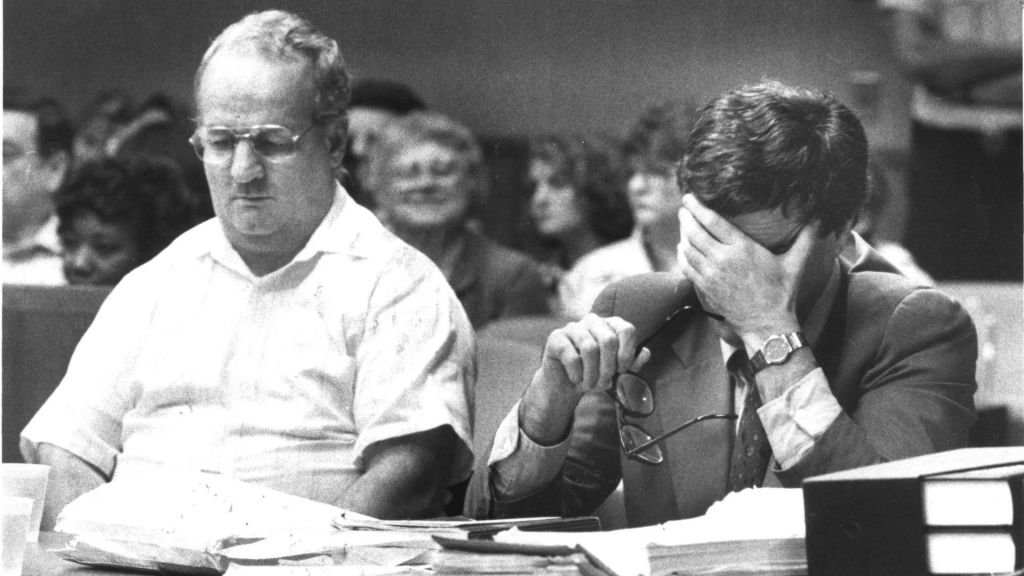
The breakthrough came in the form of forensic evidence, which placed Shawcross at multiple crime scenes. His arrest was swift, and as he was taken into custody, relief washed over the community. The subsequent trial was a media spectacle, drawing national attention. Witnesses, testimonies, and damning evidence were presented, painting a clear picture of Shawcross’ heinous acts. The jury’s verdict was unanimous: guilty on all counts. Shawcross was sentenced to life without the possibility of parole, and was confined to the cold walls of prison, where he would remain until his last breath.
Yet, even as the prison gates clanged shut behind him, the shadow of his crimes lingered. Communities, though relieved, bore the indelible scars of his actions, serving as a haunting reminder of the depths of human depravity.
Death and Legacy
The grim tale of Arthur Shawcross culminated within the confines of the Sullivan Correctional Facility in New York. There, isolated from society and surrounded by walls thick with the echoes of other inmates’ regrets, Shawcross spent his days. The once-feared “Genesee River Killer” was reduced to a mere number, an inmate awaiting the inevitable march of time.
On November 10, 2008, the inevitable arrived. Shawcross, at the age of 63, succumbed to a cardiac arrest. His death marked the end of a life characterized by violence and malevolence. But while Shawcross’ physical presence was no more, the specter of his crimes continued to loom large.
Communities across upstate New York, particularly those along the banks of the Genesee River, struggled to come to terms with the horrors wrought by one of their own. Memorials were erected, candlelight vigils were held, and support groups were formed, all in an attempt to find healing and closure. Yet beneath the collective facade of resilience, there was an underlying current of fear and distrust.
Shawcross’ legacy also sparked a broader debate about the criminal justice system. His early release after the murders in the 1970s and the subsequent sealing of his records became points of contention. Advocates, policymakers, and the public questioned the processes that allowed a man like Shawcross to walk free, only to commit even graver atrocities.
Documentaries, books, and articles continued to dissect Shawcross’ psyche, searching for answers in a mind marred by darkness. Criminologists and psychologists pored over his interviews, looking for clues that might prevent future tragedies. The quest for understanding became, in many ways, a search for redemption—for society, for the victims, and perhaps even for Shawcross himself.


 Deep Lore