
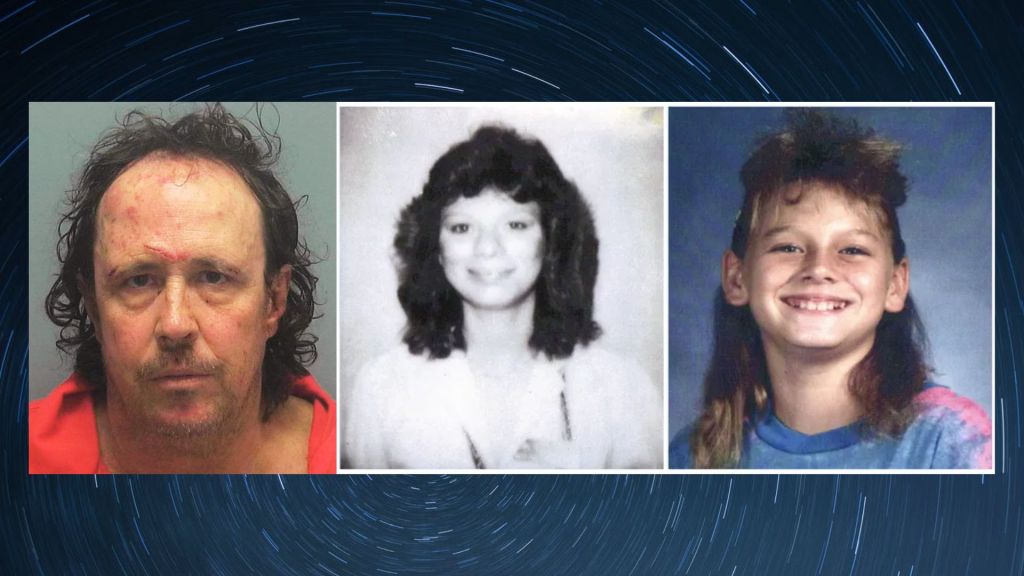
In the quiet town of Cape Coral, Florida, May 9, 1990, will forever be etched in the minds of its residents. A terrifying crime took place that day, leaving a lasting impact on the community. Within the four walls of their apartment, two lives were abruptly and brutally ended. Young, innocent Robin Cornell, only eleven, and her 32-year-old roommate, Lisa Story, became the faces of a case that sent chills down every spine in town.
Hope Surfaces Against All Odds (2016)
Fast forward to 2016, and a new player unexpectedly entered the scene. Joseph Zieler, a resident of North Fort Myers, found himself behind bars for an unrelated felony – aggravated battery on his son. Little did he know that his reckless act would turn his world upside down.
As per the law, Zieler had to give a DNA sample because of his felony charge. His DNA was then entered into the Combined DNA Index System (CODIS), a nationwide database that law enforcement uses to cross-reference biological evidence from crime scenes. What happened next can only be described as a modern-day twist of fate. Zieler’s DNA sample matched evidence collected from the 1990 crime scene, providing a surprising lead in the 26-year-old case. This discovery changed the narrative, turning Zieler from an unknown entity to a significant suspect in the cold case.
Long-Awaited Justice in Sight (2023)
It wasn’t until seven years later, in 2023, that the residents of Cape Coral could see the first rays of justice. Zieler was formally arrested for the double murder that had left a gaping wound in the town’s heart for over three decades. The announcement from the Police Chief marked not only a victory for law enforcement but also signaled a vital step towards closure for the victims’ families and the wider community.
The charges against Zieler were severe and truly reflected the heinous nature of the crimes committed in 1990. Jan Cornell, Robin’s mother, described Zieler’s arrest as akin to “winning the lottery of justice,” a reflection of her profound emotional journey. Interestingly, she revealed that Zieler was a stranger to her, reinforcing the senseless nature of the crime.
Unfolding the Truth in Court (2023)
With Zieler’s arrest, the wheels of justice began turning with full force. The court became a theater for the painstaking unraveling of a crime story that had been in the making for over three decades. The trial was meticulously detailed, with every piece of evidence and testimony shedding light on the chilling events of 1990.
A pivotal part of the prosecution’s case was the DNA evidence that had linked Zieler to the murder scene. The prosecution brought in expert witnesses to demystify the DNA matching process, emphasizing its accuracy and reliability. In addition, they brought to light testimonies from people close to Zieler, painting a damning portrait of his violent tendencies.
Justice Served, Closure Reached (2023)
After careful deliberation, the jury found Zieler guilty of the double homicide. Backed by solid DNA evidence, the prosecution’s argument, and testimonies, the conviction was beyond dispute. The judge delivered a sentence befitting Zieler’s monstrous acts, thereby fulfilling the justice that had been deferred for far too long.
Jan Cornell, who had waited over three decades for this moment, finally saw the end of her arduous journey for justice. The conviction offered her a sense of closure and a small measure of peace, as the justice system vindicated her unwavering faith.
Lasting Impact on Cape Coral and Beyond
The case’s resolution had profound effects not only on Jan but also on the wider Cape Coral community. It bolstered their faith in the justice system, demonstrating that even the oldest crimes could not escape justice. Moreover, it served as a stark reminder to would-be criminals that advancements in technology, such as DNA profiling, could be their undoing.
The Cornell-Story case exemplified the power of forensic science and the critical role it plays in solving cold cases. The case marked a significant milestone in the realm of criminal justice, serving as a testament to the impact of mandatory DNA testing of felony arrests. This case is likely to serve as a precedent and reminder of forensic science’s potential in ensuring justice is served.


 Deep Lore