

A Fateful Crash: The Unimaginable Mistake
Imagine being in a state of deep unconsciousness, unaware of your surroundings or your own existence. Imagine those who love you most grieving for your supposed demise, while the people at your side, praying for your recovery, are complete strangers, believing you are someone else. This was the harrowing reality for a university freshman named Whitney Cerak.
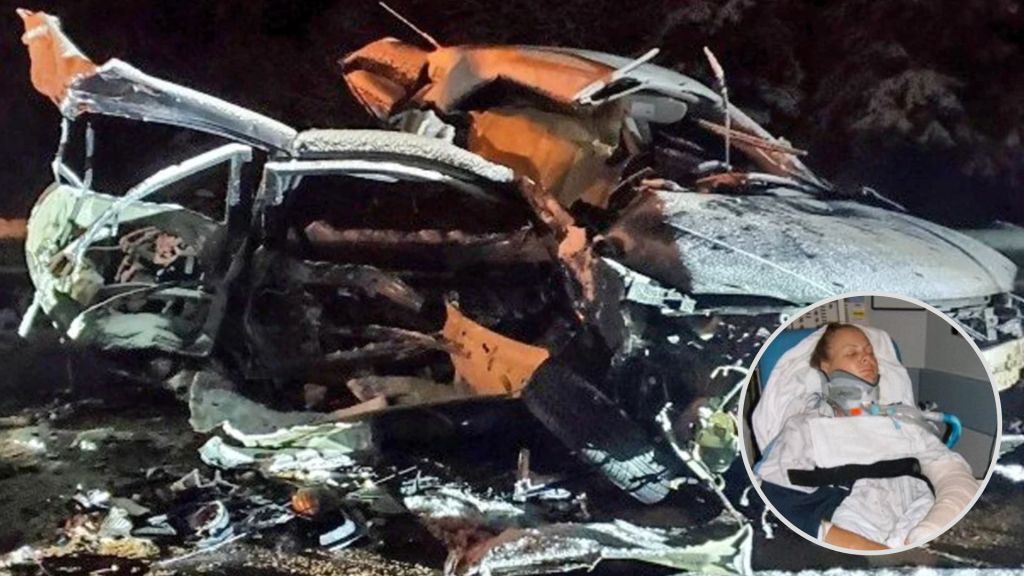
The date was April 26, 2006. On Interstate 69, a semi-truck collided with a van carrying students and staff from Taylor University in a catastrophic accident that shook the nation. The mishap resulted in multiple casualties and the critical injury of what was thought to be Laura Van Ryn, a student who shared a striking resemblance with Whitney.
In the chaotic aftermath, Whitney Cerak and Laura Van Ryn were erroneously identified. Authorities mistakenly informed the public and their respective families that Cerak had tragically died and that Van Ryn was critically injured, lying in a hospital bed in a state of unconsciousness. Both girls were blond and bore similar features, making the case of mistaken identity even more confusing during such a traumatic incident.
The true identity of the severely injured young woman wouldn’t be revealed for several weeks. In a horrifying twist, it was Cerak, not Van Ryn, who lay comatose in the hospital. Van Ryn, tragically, had been one of the victims who did not survive the crash, which had also claimed the lives of three other students and a staff member.
Recovery, Revelation, and Resilience
For five long weeks, the hospital room was a scene of quiet desperation and persistent hope. With Whitney Cerak, believed to be Laura Van Ryn, lying unconscious on the bed, Laura’s family and friends surrounded her with love, prayers, and constant vigil. The Van Ryns were under the impression that their beloved daughter and sister, Laura, was in front of them, fighting for her life. Meanwhile, Cerak’s family, under the belief that their dear Whitney was no more, was navigating through the unimaginable grief of their loss.
As the days turned into weeks, Cerak’s condition slowly improved. The turning point came when she was able to write her name on a card while in the rehabilitation center. The name she wrote was not Laura but “Whitney”. This simple act of writing her name triggered a cascade of emotions, confusion, shock, and eventual realization for those who had stayed by her side. The bandaged woman in the bed was not Laura Van Ryn but Whitney Cerak, the girl who was thought to be deceased. In an indescribably poignant moment, the Van Ryn family had to grapple with the painful reality that their Laura had indeed died in the crash, while the Cerak family learned that Whitney was, miraculously, still alive.
The revelation had an immediate and profound impact on both families. For the Van Ryns, a journey of grief was set to begin anew, while the Ceraks experienced a tumultuous rush of relief and joy, tinged with the guilt that their happiness was tied to another family’s loss. For Whitney herself, the path to understanding her situation and reestablishing her identity was just beginning.
One thing that remained consistent, however, was the affection and care that the Van Ryn family extended to Whitney. Despite the earth-shattering revelation, they continued to treat Whitney with the same love and compassion, as if she were still a part of their family. This act of kindness under such heartbreaking circumstances demonstrated a remarkable strength of character that was nothing short of inspiring.

A Return, Struggles, and Finding Identity Again
When you’re faced with overcoming an unimaginable tragedy, even the smallest steps can feel like insurmountable mountains. That was certainly the case for Whitney Cerak as she began her journey to recovery. But Whitney wasn’t just fighting to regain physical strength, she was also battling for her identity and the life she once knew.
Four months after the accident, Whitney made the brave decision to return to Taylor University. The surroundings and faces were familiar, but her life was drastically different. Nothing made sense anymore. The accident had not only physically crushed the left side of her body, but it had also altered her sense of self. Whitney, who thought she was a social and humorous individual with a large group of friends, now found her personality traits hard to reconnect with.
The rehabilitation wasn’t just physical; it was also deeply emotional and psychological. Whitney shared that she often oscillated between feelings of sadness for those who lost their lives, guilt for being the only student survivor, and anger because she just wanted to retreat into herself, to be left alone. She described herself as feeling ‘broken.’ The world she knew was upended, and she was grappling with the changes while still in recovery.
Despite these struggles, Whitney pushed on. She attended classes and worked relentlessly towards her degree. It wasn’t an easy path; the struggle was real and it was hard. Yet, three years after the accident, Whitney did something remarkable — she graduated with her class. This achievement was a testament to her grit, determination, and resilience.
In her pursuit of healing, she relied heavily on the Taylor community, her family, and her friends. These people were her pillars, providing her with the support and encouragement she needed during this difficult phase. They were there to remind her that despite all that had happened, she still had a future to look forward to.
Life Beyond the Accident
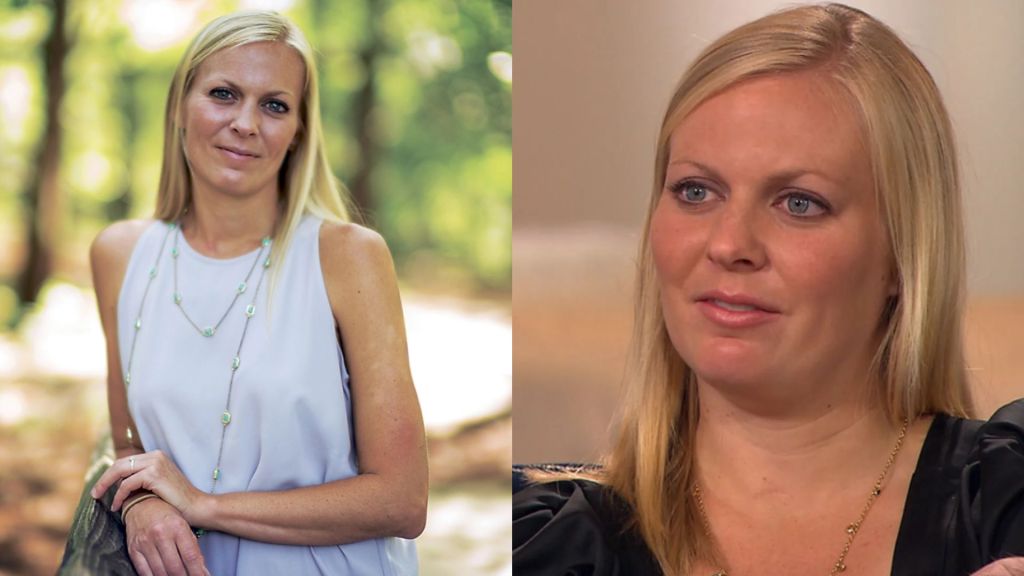
Over a decade has passed since the tragic accident that altered Whitney Cerak’s life irreversibly. Today, Whitney is not just a survivor but a beacon of resilience, inspiring countless others with her story of strength and determination.
Residing in North Carolina with her husband, Matt Wheeler, and their three children, Whitney leads a fulfilling life. The journey to this point wasn’t easy or straightforward. The physical and emotional scars from the accident remained, but Whitney persevered. She embraced her second chance at life and made the most out of it, creating a beautiful family and nurturing deep, meaningful relationships.
Yet, the past is never entirely left behind. Whitney’s life today is a blend of the past and the present, of remembrance and moving forward. She returned to Taylor University to speak at a memorial service for the victims of the accident, demonstrating immense courage and grace. The emotions ran high as she shared her story, bringing laughter with light-hearted anecdotes and tears when recalling the more painful moments.
Through these experiences, Whitney conveyed a powerful message. Life may take unexpected and painful turns, but it doesn’t mean that it’s over. There’s always room for hope, for rebuilding, for finding a new normal.
Ultimately, Whitney’s story is not just about her; it’s about a community that rallied together in the face of a catastrophic event. It’s about hope, compassion, and the ability to adapt to unfathomable circumstances. It’s about finding strength in adversity and turning that strength into a force for good.


 Deep Lore