
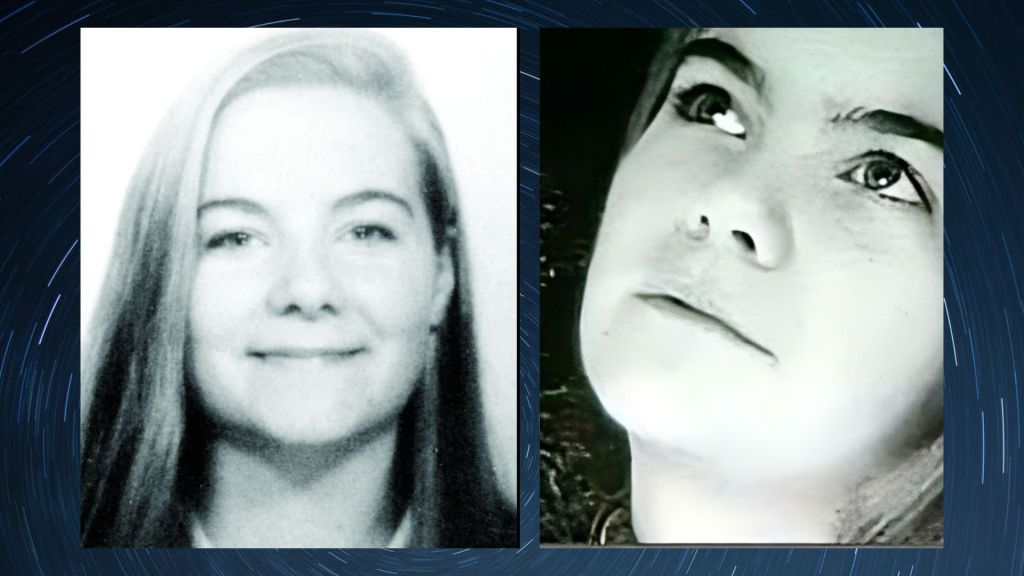
The neon lights of Boston’s vibrant nightlife in 1996 provided a stark contrast to the impending darkness that would soon envelop the city. Amidst the bustling clubs and enthusiastic revelers, a chilling discovery was about to shock the city to its core and initiate an unsolved murder mystery that continues to perplex investigators to this day.
Karina Holmer, a bright and ambitious 19-year-old Swedish girl, had journeyed to the United States with dreams of exploring new horizons and embarking on thrilling adventures. Possessing a zest for life, contagious enthusiasm, and an infectious smile, she quickly became popular among her peers.
Growing up in a small Swedish town, Karina led a quiet and unassuming life. However, her dreams extended far beyond the boundaries of her hometown. When she won $1,500 in a lottery in Sweden, Karina saw an opportunity to bring those dreams to life. With the money in hand, she decided to travel to the United States—a land of boundless opportunities that had captured her imagination.
Upon arriving in the U.S., Karina secured employment as an au pair for a couple named Frank Rapp and Susan Nichter in Dover, Massachusetts. Taking care of their two young children, she swiftly settled into her new life. While weekdays were dedicated to her responsibilities, weekends provided her the chance to explore Boston, socialize with friends, and immerse herself in the vibrant city atmosphere.
Karina was described by her friends and family as a versatile individual, equally comfortable in casual flannel shirts and jeans as she was in party attire. Her love for life allowed her to embrace every new experience that came her way.
On the evening of June 21, 1996, Karina decided to celebrate the Summer Solstice, a significant holiday in Sweden that marked the year’s longest day. Little did anyone know that this day of celebration would take a tragic turn, becoming the most heart-wrenching day of Karina’s life.

The Disappearance and Tragic Discovery
On that fateful Summer Solstice night in 1996, Karina Holmer ventured out to celebrate the occasion. However, this night of festivity ended in an unspeakable tragedy that still reverberates through the streets of Boston.
Karina was last seen on June 21, 1996, around 3 a.m. outside The Alley bar and Zanzibar in Boston. After a night of dancing and socializing with friends at a nightclub in the Theater District, Karina reportedly left the club while intoxicated. Unable to locate her friends, she stepped outside and disappeared into the night, leaving only questions and a shroud of mystery in her wake.
Witnesses offered varying accounts of her last known whereabouts. Some claimed to have seen her walking on Tremont Street between Boylston and Park Street, while others reported witnessing her singing and dancing with a homeless man near the club. There were also reports of her entering different vehicles in the early morning hours after the club’s closure.
Two days later, the city was shaken by a gruesome discovery. A homeless man searching through a dumpster behind an apartment building at 1091 Boylston Street stumbled upon the upper half of Karina’s torso. The lower half of her body, along with her purse and Nokia cell phone, remains missing.
Autopsy results revealed that Karina had been strangled to death around 9 a.m. and subsequently dismembered at the waist. The only physical evidence found at the scene was a partial fingerprint on the garbage bag containing her upper body and rope marks on her neck, indicating the cause of her strangulation.
This shocking revelation sent shockwaves through both Boston and Sweden, triggering an extensive investigation that interviewed over 300 witnesses, including Karina’s employer.
However, despite the intensity of the investigation, the case remains unsolved to this day, with the perpetrator still at large and the mystery surrounding Karina’s death unresolved.
The city of Boston, once a symbol of adventure and opportunity for Karina, now bore the scars of her tragic demise. The case of Karina Holmer, poignantly described by a Boston Globe headline as “half a body in a dumpster,” became an eerie symbol of the city’s unsolved crimes.

The Investigation and Suspects
Following Karina Holmer’s tragic death, the Boston Police Department launched a massive investigation into the case. Numerous individuals became subjects of interest, but the lack of concrete evidence and the complexity of the situation made it challenging to pinpoint a sole suspect.
One of the initial suspects was Herb Whitten, a man known in the neighborhood for wearing matching Superman shirts with his dog on weekend nights. Whitten was seen conversing with Karina on the night of her disappearance. However, his alibi was strong—he had been driving back home to Andover and had even received a speeding ticket during his journey. Authorities deemed it unlikely that he had enough time to kidnap, kill, dismember, and dispose of Karina’s body before returning home.
Karina’s employers, Frank Rapp and Susan Nichter, also faced investigation. Neither had an alibi for the night Karina was murdered, and their behavior raised suspicions. Other nannies had referred to Frank as “creepy,” and a fire that had broken out in a dumpster on their property the following Monday caught the attention of the police. However, no traces of human remains were found in the ashes, and the police deemed it unlikely that Frank and Susan would have waited for Karina to go clubbing in Boston to harm her when they had access to her every day of the week.
John Zewizz, an industrial musician residing near the location where Karina’s body was discovered, was another person of interest. His band’s controversial themes of S&M and bondage, coupled with his struggle with heroin addiction, attracted the police’s attention. However, like the others, he was never charged with any offense.
Despite these leads, the primary challenge in the investigation was the absence of a clear crime scene. The only physical evidence found were the partial fingerprint on the garbage bag containing Karina’s upper body and the rope marks on her neck, but these did not lead to any concrete suspects.
As the investigation unfolded, a cryptic letter written by Karina to a friend in Sweden before her death added another layer of complexity to the case. In the letter, she wrote, “Something terrible has happened. I’ll reveal more when I get home.” This mysterious message remains unexplained to this day, and its ominous tone suggests that Karina may have sensed the danger she was in.
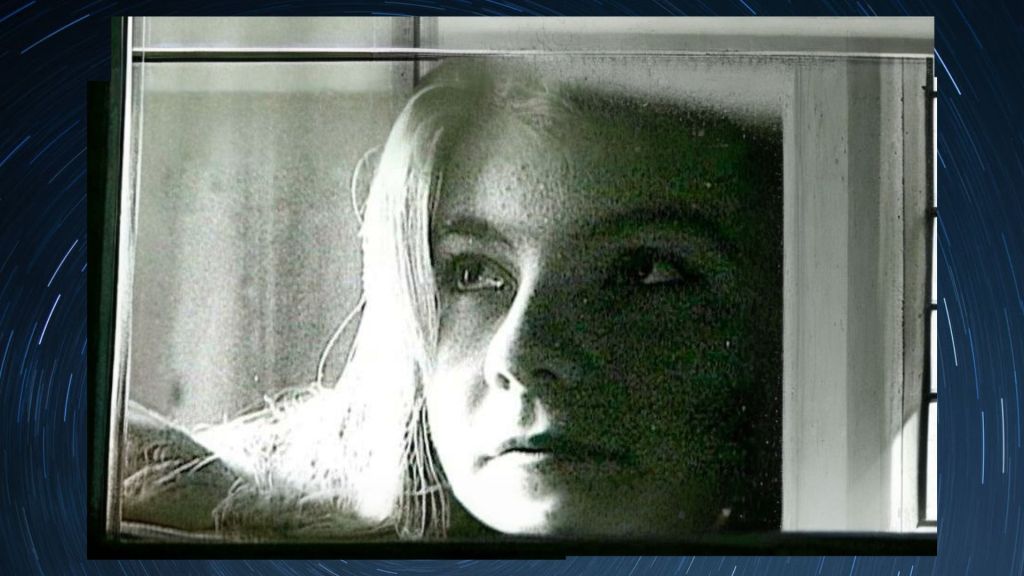
The Unsolved Mystery
Over two decades have passed since Karina Holmer’s tragic death, yet her case remains unsolved. The brutality of her murder and the ensuing mystery continue to captivate the public’s attention, leaving a lasting impact on her loved ones and the city of Boston.
While the case has grown cold, it has not been forgotten. Karina’s story has been featured in numerous documentaries and news articles over the years, serving as a chilling reminder of a crime that has yet to see justice. Her case joins the ranks of nearly 1,000 unsolved homicides in Boston, serving as a haunting testament to the city’s darker underbelly.
However, Karina Holmer’s legacy extends beyond her tragic death. She was a young woman filled with dreams and aspirations, who left her homeland to immerse herself in a new culture and live life to the fullest. At her funeral in Sweden, friends and family donned brightly colored clothing to commemorate her joyful personality, honoring the vibrant life that was tragically cut short.
In a poem she wrote in 1992, four years before her death, Karina expressed her love for life, stating, “The richest gift you ever got is LIFE. Don’t throw that away or ever step on it. But hold it high in your hands.” This message continues to resonate, serving as a poignant reminder of her spirit and passion for life.


 Deep Lore