
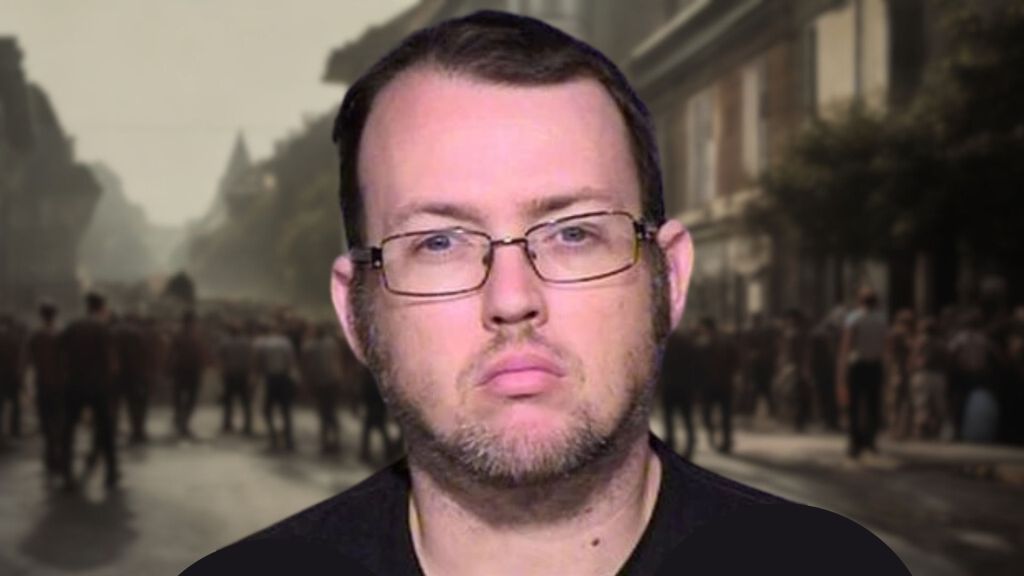
In the early 1990s, a shadow fell over the sunny landscape of Phoenix, Arizona. A brutal killer was on the loose, targeting innocent young women and leaving the city in the grip of fear. This is the story of the Phoenix Canal Killer.
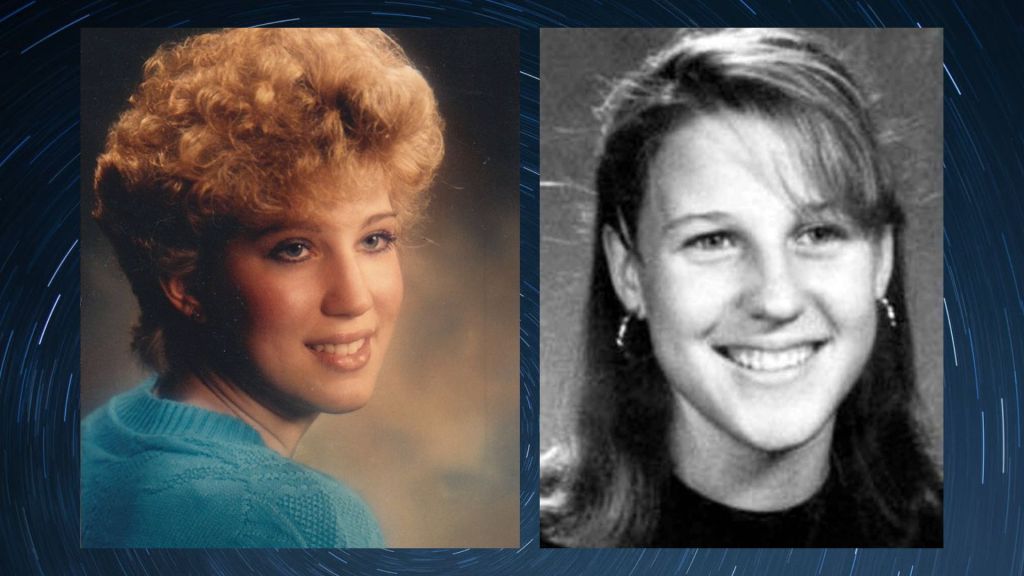
The serenity of Phoenix was shattered on the night of November 8, 1992, when Angela Brosso, a young woman who had just turned 22, decided to take a bike ride along the Arizona Canal. It was the last time anyone would see her alive. The following day, she was found naked and decapitated; her head was discovered in the canal 11 days later. A chill ran down the spine of the Phoenix community, but the horror was far from over.
Fast forward ten months, another young woman, 17-year-old Melanie Bernas, went missing. Tragically, her body was soon discovered in the canal, mirroring the chilling circumstances of Angela Brosso’s death. The gruesome similarities between the two murders led to a horrifying conclusion: a serial killer was on the loose in Phoenix.
The Phoenix Police Department sprang into action, determined to find the perpetrator of these heinous crimes. Despite following up on hundreds of tips, the authorities failed to find a lead suspect. At the time of the deaths, police stated there was no DNA evidence, which made the search for the killer even more challenging.
It wasn’t until 1999, seven years after the first murder, that a significant breakthrough in the investigation occurred. Advancements in DNA technology allowed the police to identify DNA evidence connected to the murders. This discovery provided the Phoenix Police with a glimmer of hope. The DNA evidence confirmed what they had suspected all along: the same individual was responsible for both Angela and Melanie’s deaths. However, when they cross-referenced the DNA with the FBI database, they found no match. The killer was still at large, and the Phoenix Canal murders remained cold cases, with the memory of the victims and the shadow of the killer looming over the city.
The Hunt for a Killer
As the new millennium dawned, the Phoenix Canal Murders seemed to be fading into the annals of unsolved mysteries. The murderer had left no traceable leads, and the DNA collected from the crime scenes didn’t match any profiles in the FBI database. However, the advent of a new technology would breathe life into this cold case.
In 2015, a significant advancement in DNA technology was introduced. This new approach, known as forensic genealogy, combined DNA evidence with detailed genealogical research to identify potential suspects. Colleen Fitzpatrick, a trained nuclear physicist and genetic genealogist, had been working on the concept of using DNA databases to solve cold cases, much like how adoptees use these databases to find their genetic parents.
The Phoenix Police Department, still keen on solving the canal murders, took a keen interest in Fitzpatrick’s pioneering work. In 2014, Fitzpatrick attended a conference in Phoenix and approached the department with her idea. Intrigued, they provided her with the Y-DNA profile from the crime scene of the Phoenix canal murders.
Fitzpatrick and her team inputted the data from the forensic profile into their software. The search results were intriguing: they found six matches to the last name ‘Miller.’ This didn’t mean that any of these six individuals was the killer, but it suggested that the perpetrator was likely related to them and was a member of the Miller family.
Armed with this new information, the Phoenix police revisited their files. They identified someone with the last name of Miller whom they had spoken to about the murders years before. The man whose DNA matched the samples collected from the horrific Phoenix Canal Murders was Bryan Patrick Miller. Known by the aliases ‘The Phoenix Canal Killer’ and ‘The Zombie Hunter,’ Miller was a man with a disturbing past.
A plan was devised to obtain this man’s DNA, and when they did, it matched perfectly with the evidence from the canal murders. This was the breakthrough they had been waiting for, and it was all thanks to the power of DNA and the innovative work of Fitzpatrick and her team.
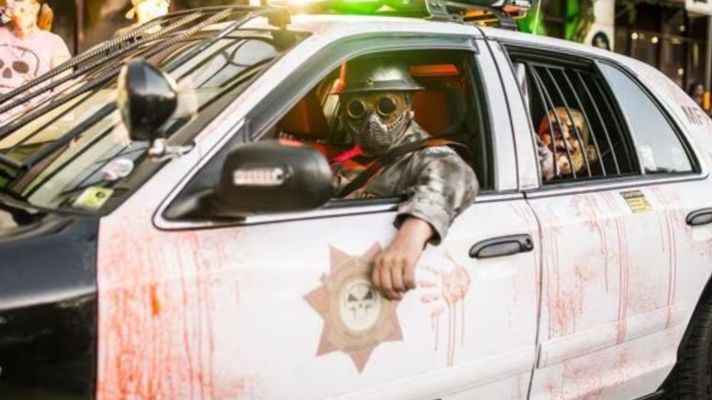
Bryan Patrick Miller – The Zombie Hunter
Born on October 24, 1972, in Trenton, Michigan, Miller was identified as the prime suspect in the gruesome murders of Angela Marie Brosso and Melanie Beth Bernas. Both young women had been stabbed, and their bodies were found in the canal in Phoenix, Arizona.
However, these were not the only crimes associated with Miller. His criminal history spanned from 1989 to 2002, and it was suspected that he might have had more victims than just Brosso and Bernas. A girl named Brandy Lynn Myers disappeared in 1992 and was never found, and she is considered to be one of Miller’s possible victims. Additionally, two women survived attacks that have been linked to Miller.
Miller was arrested on January 13th, 2015, and was charged with two counts of first-degree murder, two counts of kidnapping, and two counts of attempted sexual assault. His attorney argued that he was in a dissociative state during the killings and should be found not guilty by reason of insanity plea, but the court did not accept this defense. Instead of a jury trial, Miller chose to have his fate decided by a judge. The state sought the death penalty.
In June 2023, after a long legal process, Bryan Patrick Miller was sentenced to death for the murders of Angela Brosso and Melanie Bernas.


 Deep Lore