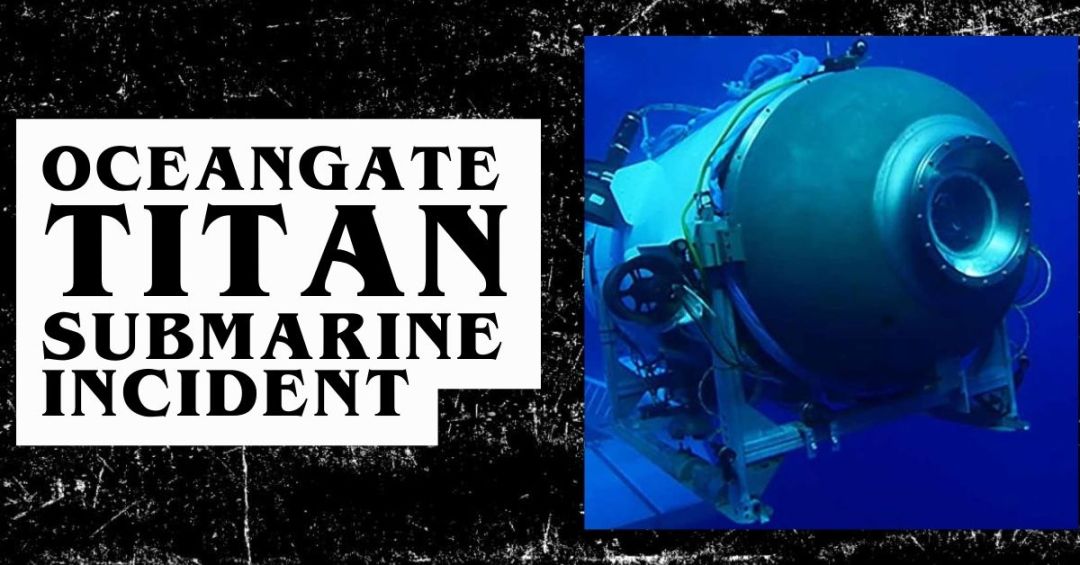

The Rise and Fall of the Titan
There’s an old adage: the ocean is not our territory. It’s a stark reminder of the inhospitable, treacherous conditions that lurk beneath the seemingly serene water surface. When OceanGate’s Titan submarine imploded 4,000 meters below sea level, taking the lives of its five-person crew, this ancient wisdom was underscored in the harshest of ways. This is the tale of their tragic voyage, a story of ambition, human frailty, and the unforgiving laws of nature.
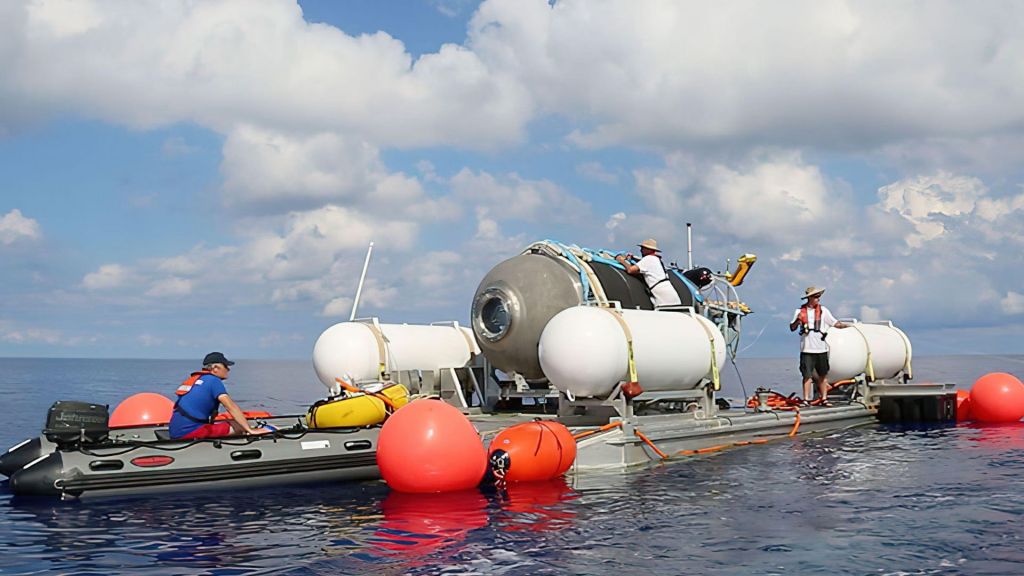
OceanGate, a private company specializing in manned exploration of the deep sea, embarked on a bold mission. They constructed the Titan, a state-of-the-art submarine designed to withstand the enormous pressures of the deep sea. The Titan was a feat of engineering: a five-person submersible, primarily composed of carbon fiber and titanium, materials selected for their strength and light weight. With its spherical titanium pressure hull designed to withstand enormous pressures, the Titan was expected to usher in a new era in affordable deep-sea exploration.
To make this dream a reality, some safety measures were arguably sacrificed in favor of affordability. OceanGate argued that these were calculated risks, and they were confident that the Titan could safely perform its mission. They trimmed costs by optimizing the use of expensive materials and implementing less robust safety redundancies, believing that the Titan’s overall design was solid and capable of withstanding the immense pressures of the deep sea.

The Journey into the Abyss
With the optimism of an epoch-making venture, the Titan embarked on its ill-fated voyage to explore the wreck of the Titanic, one of the most iconic shipwrecks in maritime history. On board were five men: Shahzada Dawood, Suleman Dawood, Hamish Harding, Stockton Rush, and Paul-Henri Nargeolet, each with a unique story and a shared ambition to explore the ocean’s deepest secrets.
As the Titan descended into the murky depths of the Atlantic Ocean on that fateful day, the crew was initially in high spirits. However, their situation soon took a harrowing turn. A short while into the descent, communication with the submersible was suddenly lost. For the crew of the support vessel, the Polar Prince, it was a chilling moment. It was as if the Titan and its crew had vanished from the face of the earth.
The United States Coast Guard, the Navy, and the Canadian Coast Guard spearheaded a desperate search and rescue mission, scouring the ocean’s surface and deploying sonar equipment to probe the inky depths below. The urgency of the mission was further heightened by the knowledge that the air supply aboard the Titan was limited. Every passing moment was a race against time, a struggle between hope and despair.
On the fourth day of the relentless search, their worst fears were confirmed. A debris field was discovered near the Titanic wreck site, identified as remnants of the Titan. A U.S. Coast Guard’s Northeast Sector press conference announced the heartbreaking news. The Titan had suffered a catastrophic implosion, with debris scattered over a vast area on the ocean floor. The realization that the five crew members had been lost was a sobering moment for the entire team and the world at large. The dream of exploring the deep sea in a new, more affordable way had ended in tragedy. The once heralded Titan was now just scattered debris on the ocean floor, a grim reminder of the ocean’s unforgiving nature.
Unraveling the Mystery
In the aftermath of the disaster, several investigations were launched to unravel the mysteries of the Titan’s ill-fated voyage. The U.S. National Transportation Safety Board and the Coast Guard, as well as the Canadian Transportation Safety Board, initiated investigations into the incident. The wreckage site, located some 1,600 feet from the bow of the Titanic, was strewn with pieces of the Titan, including the tail cone and the forward and aft end bells. The analysis of the debris field suggested a catastrophic loss of the pressure chamber, the most likely cause of the disaster.
Amidst the ongoing investigations, information emerged that underscored the tragedy. An internal U.S. government memo revealed that a Canadian CP-140 Aurora’s sonar had picked up acoustic signals from the ocean floor, indicative of an implosion, which later investigations linked to the Titan. This crucial evidence pointed to potential shortcomings in the Titan’s design and construction, further substantiated by renowned filmmaker and deep-sea explorer James Cameron’s observations.
Cameron, who had visited the Titanic wreck site 33 times and had an intimate knowledge of deep-sea explorations, criticized the choice of the Titan’s carbon-fiber composite construction. He pointed out the material’s lack of strength in compression under immense pressure. He further criticized the real-time monitoring system in place on the Titan, which he deemed insufficient to prevent an implosion. This lent weight to the notion that OceanGate might have skirted some safety precautions in favor of making the journey more affordable.
The fatal journey of the Titan, meant to bring the ocean’s secrets closer to humanity, instead ended in a disaster that resonated globally. The discourse around the incident highlighted the imperative of upholding safety standards, even in the face of groundbreaking exploration endeavors. It served as a tragic reminder of the ruthless and unpredictable nature of the deep sea, even for the most seasoned explorers.

The Cultural Impact
In the days following the disaster, the Titan tragedy gained significant attention from both mainstream media and social platforms, sparking diverse conversations around the world. The incident was not merely a tragic loss of life; it also became a commentary on the delicate balance between human exploration and the inherent dangers of venturing into uncharted territories.
The scale of the search and rescue operations, the global media coverage, and comparisons with the response to the Messenia migrant boat disaster led to critiques of how we value human lives differently based on wealth and socio-economic status. Further, OceanGate’s apparent gamble with safety measures ignited a discussion on the accountability of private companies in such ambitious exploration endeavors.
In the wake of the Titan’s tragic journey, the world was left grappling with a series of profound questions: How far should our ambition for exploration push us? At what cost does it come, and who bears that cost? As we continue to grapple with these questions, the story of the Titan serves as a serious reminder of the profound risks inherent in the human quest for knowledge and adventure.

The Aftermath
The aftermath of the Titan disaster prompted immediate investigations by both the United States and Canada into the circumstances and decision-making that led to the catastrophic event. This tragic incident was declared a “major marine casualty” by the U.S. Coast Guard, with the National Transportation Safety Board stepping in to provide further scrutiny. In Canada, the Transportation Safety Board took action due to the involvement of the MV Polar Prince, a Canadian-flagged support vessel for the ill-fated Titan.
These investigations aimed not only to establish the facts and identify potential oversights but also to provide valuable insights to prevent such tragedies in future expeditions. As investigators boarded the Polar Prince upon its return to St. John’s harbor, the weight of the incident became palpable, underscoring the magnitude of the questions that needed answering.
Meanwhile, the impact of the Titan disaster rippled across the world, casting a somber shadow over future endeavors into the deep sea. The incident understandably led to increased skepticism and caution. David Scott-Beddard, CEO of White Star Memories Ltd, voiced concerns about the likelihood of conducting future research at the Titanic wreck site due to the Titan tragedy.
Despite the immense loss and concerns, the pursuit of knowledge about our planet’s deepest depths is unlikely to cease. However, the incident has highlighted the necessity of rigorous safety measures, responsible decision-making, and comprehensive preparation in undertaking such ambitious endeavors. In essence, the Titan disaster, while an irrefutable tragedy, could also serve as a pivotal moment in deep-sea exploration, shaping its future direction towards increased safety and responsibility.


 Deep Lore