
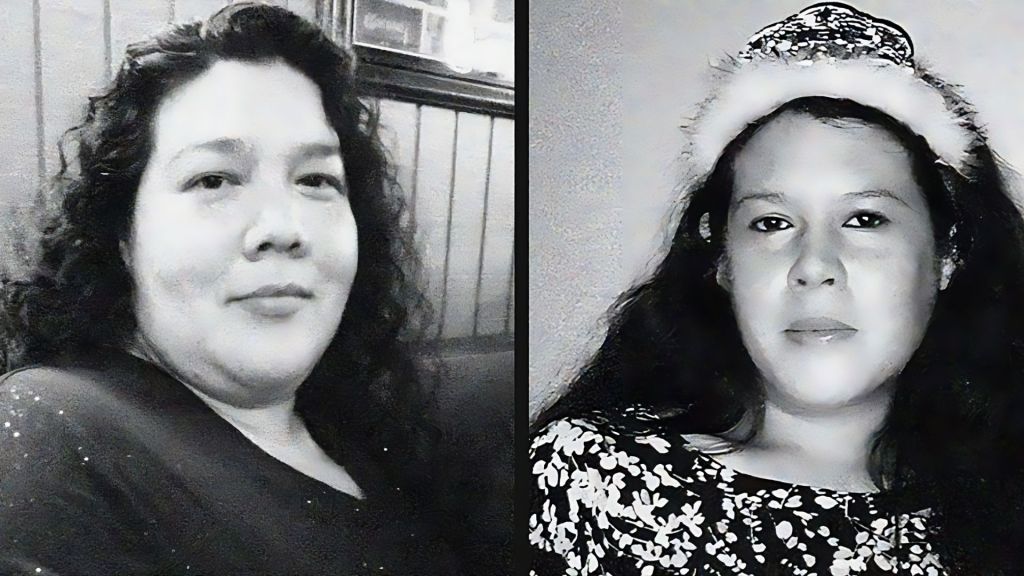
In the dense wilderness of Colorado’s Rocky Mountains, secrets are often hidden beneath a canopy of towering trees and hidden valleys. But on a chilling Sunday evening, one of those secrets was unveiled, unraveling a mystery that has captured the imagination of true crime enthusiasts across the nation. Three ‘mummified’ bodies were discovered at a remote campsite near Gold Creek Campground, their condition beginning a story as perplexing as it is tragic. The case opened a window into a world where dreams of escaping modernity turned into a horrifying reality.
The date was July 9th, 2023, a day that will forever be etched in the memory of an unnamed hiker wandering through the vast expanse of the Gunnison National Forest. The discovery occurred around 5.00 pm, when the hiker stumbled upon the campsite, filled with an eerie sense of stillness. Three decomposing bodies lay near a tent, partially mummified, preserved by the cold embrace of winter.
The remote campground, engulfed within a massive 1,672,136-acre forest, was situated a 40-minute drive from the nearest town of Pitkin, Colorado. Zipped-up tents, empty food cans, books, and a makeshift restroom area were found at the campsite, painting a haunting picture of life interrupted.
The subsequent investigation by Gunnison County Sheriff’s Office was both swift and challenging. Sheriff Adam Murdie, taking the lead, candidly admitted that the situation was anything but typical. “It does not appear there was trauma to the bodies, other than what looked like mummification, almost,” he told the Montrose Press.
Autopsies were expected to be complicated due to the deteriorated state of the bodies, which had likely been resting undisturbed throughout the winter. But as the first findings emerged, a picture began to form. Sheriff Murdie speculated that the individuals might have frozen or starved to death, a chilling theory that hinted at a slow and agonizing end.
Yet, despite the grim circumstances, authorities were quick to assure the public that there was no perceived risk at this time. The remote location and the absence of apparent foul play suggested a tragedy isolated from the wider community.
The discovery of the three mummified bodies in Colorado’s picturesque wilderness was more than a grim finding; it was a door into a world of mystery and intrigue, a human drama set against the unforgiving backdrop of nature’s solitude. As the initial phase of the investigation drew to a close, questions lingered, and the attention shifted to the victims themselves. Who were they? What drove them to this remote place, and what transpired in those final, desperate days? The answers to these questions would lead investigators down a path that intertwined hope, fear, and the eternal struggle for survival.
The Mystery of the Mummies
After the initial shock and intrigue sparked by the discovery of three mummified bodies in the desolate wilderness of the Gunnison National Forest, the focus swiftly shifted towards identifying the deceased. This task was essential in unraveling the mystery that had gripped the nation and cast an eerie shadow over the idyllic Colorado landscape.
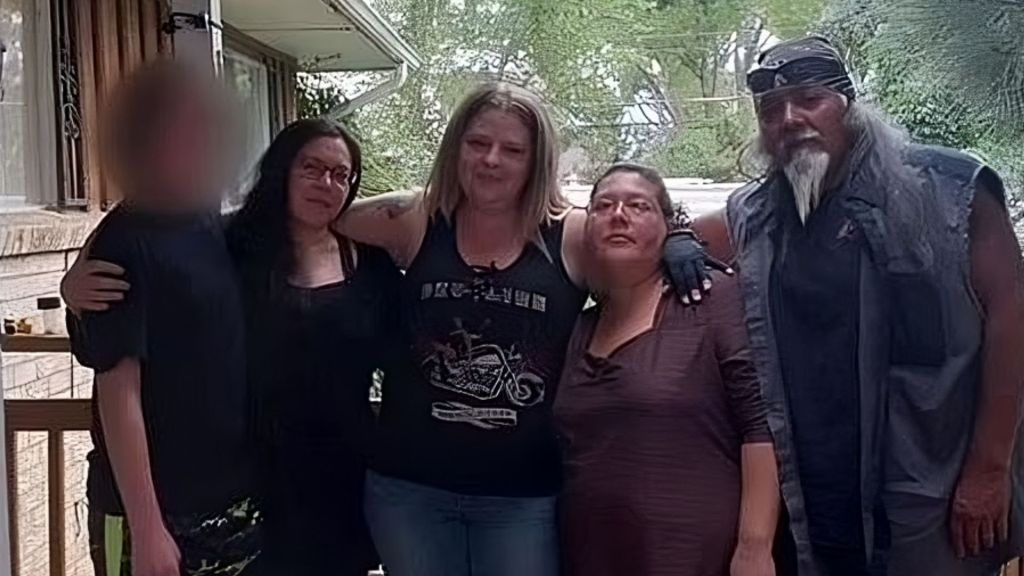
Gunnison County Coroner Michael Barnes broke the news on a fateful Tuesday. The bodies discovered earlier in the month were identified as two sisters, Christine and Rebecca Vance, aged 41 and 42 respectively, and Rebecca’s 14-year-old son. They were a family from Colorado Springs, who embarked on a journey that would end in tragedy. The teenage boy’s name has been withheld due to his minor status.
The narrative that followed was both surprising and poignant—a story of dreams, fear, and survival. In recent years, the sisters had grown disappointed with the state of the world.’ Their discontent, sparked by global crises and a yearning for freedom, pushed them towards a radical decision: to sever their ties with society and live ‘off the grid.’
Their plan was simple but ambitious. They aimed to subsist off the land, grow their own food, and shield themselves from the perceived dangers of the world, offering Rebecca’s son a refuge from the news, politics, and a raging pandemic. Christine Vance, the dutiful sister, joined the mother-son duo on their expedition, hoping to increase their chances of survival.
The campsite provided a glimpse into their lives, left in suspended animation. Books on outdoor survival and foraging were found, alongside empty food cans and remnants of a restroom area. The trio had been constructing a ‘lean-to’ shelter over a fire pit, indicating their intention to withstand the cold winter months.
Yet, it seemed the family had underestimated the harsh realities of their chosen lifestyle. Signs of malnourishment were evident on the bodies, suggesting their struggle for sustenance in the unforgiving wilderness. No vehicle or firearms were found, leaving them isolated and vulnerable in the face of the brutal Colorado winter.
The revelation of the identities and backstories of the deceased marked a new chapter in this engrossing narrative, one that has struck a chord with people worldwide. It cast light on the paradoxical allure and perils of isolation, the beauty and brutality of nature, and the thin line that separates dreams from tragedy. Yet, the ultimate question remained unanswered: what were the exact circumstances leading to the deaths of the Vance family?
Unraveling the Mystery
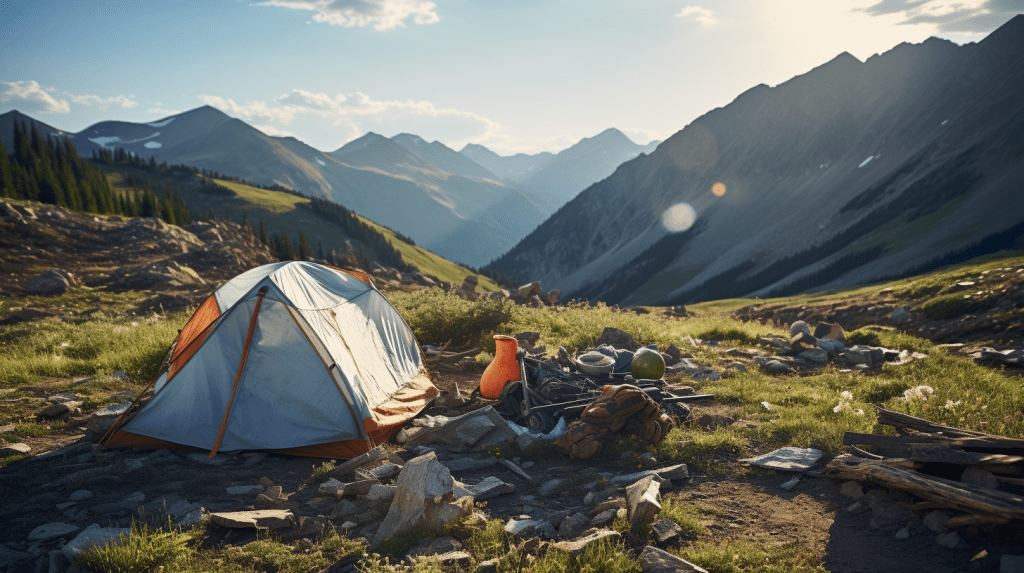
The partially mummified state of the bodies presented significant challenges to the autopsy. Though an official cause of death remained pending, Gunnison County Coroner Michael Barnes offered a grim picture. Starvation, freezing temperatures, or carbon monoxide poisoning were the likely culprits. The half-finished shelter and single package of ramen discovered at the campsite served as somber reminders of a survival battle lost.
Rebecca Vance’s stepsister, Trevala Jara, gave voice to the heartache and regret that enveloped the family, speaking of attempts to dissuade the trio from their perilous journey. The fear that had driven them to the wilderness ultimately consumed them, leaving behind a grief-stricken family.
The public’s fascination with the case was a mixture of horror, empathy, and reflection, sparking debates on modern life’s challenges and the dream of escaping to a simpler existence. The family’s tragic story served as a cautionary tale, one that resonated with those grappling with similar fears and desires.
In an age where information overload and societal pressures weigh heavily, the allure of escaping to the wild and disconnecting from the world is a romantic notion for many. The Vance family’s story laid bare the stark reality behind this dream, highlighting the complexity and risks of such a choice. It prompted a renewed examination of the concept of living ‘off the grid’ and inspired discussions on the balance between freedom and safety, idealism, and practicality.
As the Colorado wilderness resumes its tranquil silence, the story of the Vance family continues to echo. It’s a tale that transcends more than mere true crime intrigue, touching on universal themes of fear, aspiration, human vulnerability, and our relationship with nature.


 Deep Lore