
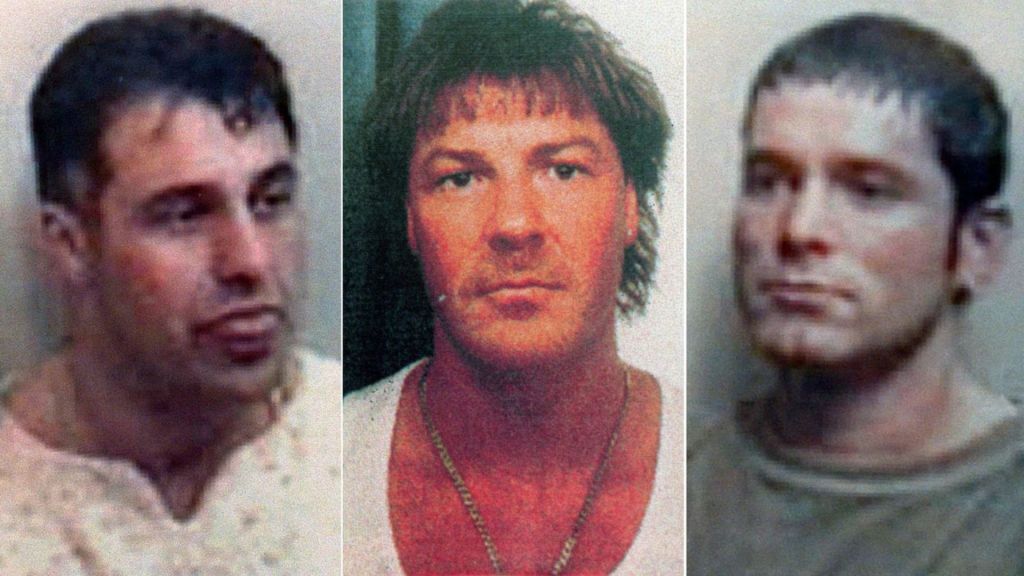
In the tranquil village of Rettendon, where life moved at its own leisurely rhythm, a dark cloud was about to cast an ominous shadow that would forever alter its narrative. On a bone-chilling December morning in 1995, the stillness was shattered by a discovery so grotesque that it would grip the nation’s attention for years to come.
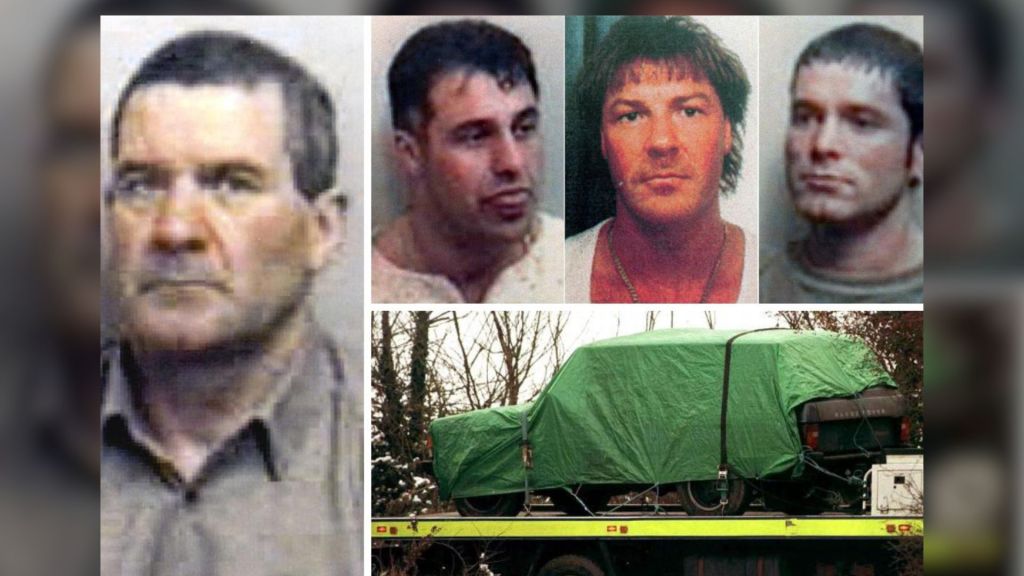
Nestled in the heart of Essex, England, Rettendon epitomized rural serenity. Its expansive greens, quaint houses, and close-knit community made it an improbable backdrop for one of the most brutal crimes in British history. As the mist lifted from the isolated farm tracks off White House Farm that morning, a sinister scene awaited. Inside a parked Range Rover, the lifeless bodies of three men were found by farmer Peter Theobald and his friend Ken Jiggins. Each bore the unmistakable mark of a close-range gunshot wound to the head. The victims, identified as Patrick Tate (37), Tony Tucker (38), and Craig Rolfe (26), were not strangers to the darker realms of society. Known as drug dealers, the manner of their deaths raised more questions than answers. Tate’s additional gunshot wound to the stomach hinted at a potentially drawn-out execution, adding another layer of horror to the scene.
News of the murders traveled swiftly. The media, ever hungry for a sensational story, swiftly descended upon the village. Speculation ran rampant. Was this a drug deal gone awry? Or a cold, calculated execution sending a message within the criminal underworld? The narrative darkened further when links were suggested between the murders and the recent death of 18-year-old Leah Betts from Essex, who died after taking ecstasy supplied by one of the victims. The whispers that connected the Rettendon victims to this illicit world added another dimension of intrigue to an already enigmatic case.
As theories proliferated, some murmured of betrayal within the drug trade, suggesting that the trio had been betrayed by insiders. Others posited that this was a stark warning from rival gangs, marking their territory in the most brutal way imaginable. Under immense pressure, the police delved deep into every lead, tip, and rumor, hoping to unravel the mystery of that fateful December morning.
Rettendon, which once stood as a symbol of peace and calm, had unwittingly become ground zero for a crime that would haunt its streets and the minds of its residents for years to come.

A Controversial Investigation
In the wake of the shocking discovery in Rettendon, the wheels of justice began to turn, but the path to the truth was riddled with twists and turns. As the days turned into weeks and months, the police found themselves grappling with a case that was as layered as it was enigmatic.
The Essex Police, sensing the urgency and gravity of the situation, launched “Operation Century,” a dedicated task force with the sole aim of unraveling the mysteries surrounding the murders. Every resource was deployed, every contact activated, and every lead pursued. The village, still reeling from the shock, watched with bated breath as investigators combed through evidence, interviewed witnesses, and pieced together the final moments of Tate, Tucker, and Rolfe.
However, it was the arrests of Jack Whomes and Michael Steele that marked a significant turning point in the investigation. Both men, with their own histories and connections to the darker underbelly of society, became the prime suspects in the grisly murders. As their trial commenced, the courtroom became the stage for a drama that would see testimonies challenged, alibis dissected, and characters scrutinized.
Central to the prosecution’s case was the testimony of Darren Nicholls, a police informant. Nicholls, with his intimate knowledge of the criminal world and its players, claimed to have driven Whomes and Steele away from the murder scene that night and that they had guns and bloodied clothes. His account, while chilling, was not without its detractors.
Doubts arose about the reliability of his narrative, especially given the weight it carried in the absence of concrete physical evidence linking Whomes and Steele to the crime. As the trial proceeded, the defense mounted a robust challenge to Nicholls’ claims, pointing to inconsistencies in his story and questioning his motivations.
Yet, the jury was swayed. In January 1998, after days of deliberation, the gavel came down, sealing the fates of both Whomes and Steele. They were convicted and sentenced to life in prison.
But justice, it seemed, was not as clear-cut as it appeared. In the shadows, murmurs of doubt persisted. David McKelvey, a detective previously involved in the case, voiced his reservations about the convictions, pointing to potential overlooked leads and questioning the investigation tactics used by police.
McKelvey’s concerns, echoed by a segment of the public, added to the growing chorus of voices that believed that the real culprits were still at large. As Rettendon tried to heal, the echoes of that December morning continued to reverberate.
The convictions of Whomes and Steele, rather than providing closure, only deepened the enigma. The village, forever scarred by the events of 1995, found itself at the crossroads of belief and doubt, justice and injustice.
Legacy, Media Influence, and Present Day
The echoes of the Rettendon murders refused to fade, even years after the trial’s conclusion. The notoriety of the crime, coupled with persistent doubts surrounding the convictions, ensured that the events of that cold December morning remained firmly etched in the public consciousness.
Rettendon’s once-peaceful lanes and idyllic scenery now bore the weight of its newfound infamy. The very spot where the grisly discovery was made began to draw visitors from near and far. True crime enthusiasts, journalists, and the morbidly curious flocked to the village, each trying to piece together their own version of the events or simply to stand where history had been made. This surge in “dark tourism” disrupted the tranquility of the community, with locals often feeling like unwilling participants in a never-ending crime drama.
The media’s insatiable appetite for the story only intensified with time. The Rettendon murders inspired a slew of books, documentaries, and films. Notably, cinematic releases such as “Essex Boys” (2000) and “Rise of the Footsoldier” (2007) presented dramatized accounts of the events, further blurring the lines between fact and fiction.
These portrayals, while bringing the story to global audiences, often left Rettendon’s residents grappling with the uneasy legacy of the crime. Meanwhile, legal battles continued to unfold behind the scenes.
Jack Whomes and Michael Steele, despite their life sentences, remained unyielding in their claims of innocence. Their pleas and appeals, though repeatedly dismissed, brought to light potential flaws and oversights in the initial investigation and continued to suggest the possible involvement of organized crime.
In a surprising turn of events, Whomes was granted parole and released in 2021 after serving 23 years. His release reignited debates about the case, with some viewing it as a long-overdue step towards justice and others as a potential miscarriage of justice.
Amidst all the drama and speculation, a poignant reality emerged. The families of the victims, forever scarred by the loss of their loved ones, continued to search for answers and closure. Their quest for truth, often overshadowed by the media frenzy and legal wrangling, served as a somber reminder of the human cost of the Rettendon murders
As years turned into decades, the mystery surrounding the events of December 1995 remained. While some chapters of the story reached their conclusions, many questions lingered, leaving Rettendon with a legacy that was both a curse and a call for continued pursuit of the truth.


 Deep Lore