

Beneath the serene expanse of Copenhagen’s twilight sky, the UC3 Nautilus hummed quietly, its sleek, dark silhouette cutting through the waters of Køge Bugt. Aboard this homemade submarine, Kim Wall, a journalist whose career was marked by her fearless pursuit of deep, untold stories, prepared for what was promised to be a compelling interview. Little did she know, this submarine would soon become an abyss from which she would never return.
Kim Wall, aged 30, was no stranger to adventurous assignments. Her journalistic work had taken her from the hurricane-ravaged streets of Haiti to the vast, nuclear-clean zones of Fukushima, capturing stories of human endurance and spirit. Now, on the cusp of a significant life transition, planning to move to Beijing with her partner Ole Stobbe, she was ready for one last adventure in her homeland.
The day had been meticulously planned. Before their farewell party that evening, Kim received a text from Peter Madsen, a self-proclaimed inventor and entrepreneur known in Denmark for his submarines and ambitious space dreams. Earlier that year, she had expressed interest in profiling him, intrigued by his endeavors. Madsen’s invitation was sudden but welcome—an opportunity to dive into the mind of one of Denmark’s most eccentric figures aboard his proudest creation.
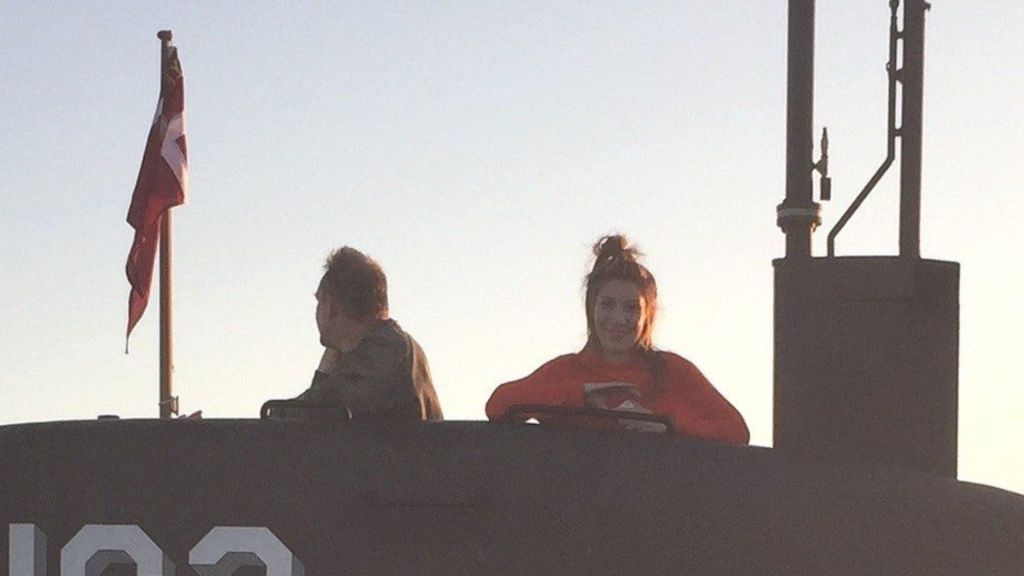
By 7:00 PM, as the sun dipped below the horizon, casting a golden glow over the harbor, Kim kissed Ole goodbye and boarded the UC3 Nautilus. Her eyes gleamed with curiosity and a hint of the trepidation one feels at the edge of a revealing journey. The submarine, a testament to Madsen’s brilliance and borderline recklessness, was cramped but fascinating, filled with gadgets and dials that reflected the light in peculiar angles.
As the night unfolded, the farewell party awaited Kim’s return. But the submarine, along with its two occupants, vanished into the ocean’s dark embrace. Hours turned into anxious waiting, and by 1:43 AM, with no sign of the UC3 Nautilus or Kim, Ole’s worry compounded into dread. He dialed the police, his voice strained with urgency, reporting Kim missing.
The search commenced at the crack of dawn. The horizon broadened under the morning light, but the UC3 Nautilus was nowhere in sight. It was only spotted later that day, southeast of Amager by the Drogden lighthouse. Mysteriously, as the rescue boats approached, the submarine began to sink—an ominous plume of bubbles marking its descent into the murky depths. Rescuers scrambled to the scene, pulling a disheveled Madsen from the water, but Kim was not with him. Her disappearance cast a pall over Copenhagen, turning a missing person case into a sinister mystery that gripped the entire nation.
The Investigation and Gruesome Findings
As dawn broke over Copenhagen’s waters, the enigma surrounding the UC3 Nautilus deepened. Rescued alone from the sunken submarine, Peter Madsen was immediately enveloped in a whirlwind of police questions. His initial account—that he had dropped Kim Wall off safely on land the previous evening—strained credibility, especially as the submarine lay submerged and abandoned in Køge Bugt.
The turning point came swiftly and was horrific. On August 21st, a cyclist pedaling along the serene shores of Amager found something appalling: a torso, deliberately maimed and weighed down, washed up against the rocks. This chilling discovery confirmed the darkest fears and pivoted the investigation towards a search for a murderer. Kim Wall, the intrepid journalist who had ventured to tell a story of innovation and ambition, had met a violent end.
As the Danish and international media descended on the case, each revelation added a layer of macabre detail to the unfolding narrative. Divers, combing through the waters of Køge Bugt, uncovered two plastic bags anchored to the seabed. Inside, protected by the cold, dark water, were Kim’s dismembered limbs, her clothing, and chillingly, a knife and pieces of heavy metal designed to dispose of the evidence of a brutal crime.
The findings did not stop there. In a grim procession, additional dives recovered more of Kim’s remains, including her head and further limbs, each part telling a silent story of the horrors she had faced in her final moments. Police forensic teams worked meticulously, piecing together the gruesome evidence. Madsen’s explanations began to unravel under scrutiny.
The investigative team faced the monumental task of reconstructing the sequence of events that led to Kim’s death. Madsen’s changing narratives did little to shield him from growing suspicion. Initially claiming a tragic accident on board, his account shifted under the weight of proof. Autopsy findings revealed multiple stab wounds, most notably around Kim’s torso and genitals—a detail that pointed not just to murder but to torture.
The public outcry grew as the nature of the crime became evident. The brutality of the act, coupled with Madsen’s fluctuating explanations, painted a picture of premeditation and malice that shocked even the most seasoned investigators. The case, laden with emotional and forensic complexity, drew parallels to Nordic noir, but this was no fiction. It was a real-life tragedy that ended a promising life and cast a long shadow over societal perceptions of safety and trust.
With the evidence mounting, the Copenhagen Police charged Madsen with murder, indecent handling of a corpse, and aggravated sexual assault. The legal proceedings were set to unravel the final moments aboard the UC3 Nautilus, in a trial that promised to be as unprecedented as it was publicized. As Denmark and the world watched, the pursuit of justice for Kim Wall moved from the depths of the ocean to the solemnity of the courtroom.

The Trial, Conviction, and Aftermath
The courtroom was a crucible of tense anticipation as the trial of Peter Madsen began. The severity of the charges against him hung heavy in the air, a chilling reminder of the dark narrative that had led to this point. Media from around the world packed into the small space, each reporter eager to relay the proceedings of a case that had captured global attention. The evidence presented was overwhelming and macabre, laying bare the details of Kim Wall’s final hours aboard the UC3 Nautilus.
Prosecutors depicted Madsen as a manipulative and premeditated murderer who had planned the crime meticulously. The proof was compelling: the multiple stab wounds inflicted on Kim, the deliberate dismemberment of her body, and the calculated efforts to dispose of the remains. Madsen’s own changing stories only seemed to tighten the noose around his claims of innocence. In a move that shocked the courtroom, he admitted to dismembering Kim but continued to deny her murder, suggesting a bizarre accident led to her death.
The emotional apex of the trial came when Kim Wall’s family gave their statements. They spoke of Kim’s vivacity, her adventurous spirit, and her relentless pursuit of stories that could make a difference. Their profound grief and loss were palpable, casting a solemn atmosphere over the proceedings.
On April 25, 2018, after weeks of harrowing testimonies and forensic findings, the court found Madsen guilty of murder, aggravated sexual assault, and desecration of a corpse. He was sentenced to life in prison, a rare and severe punishment reflecting the heinous nature of his crimes. The verdict was met with a heavy silence, followed by a sense of somber relief among those seeking justice for Kim.
The aftermath of the trial saw a community grappling with the unsettling realities of the crime. The safety of independent journalists, particularly women, was called into question, sparking debates and discussions on how best to protect them in the field. Madsen’s brief escape from prison in October 2020, though swiftly curtailed, reignited public interest and fear, serving as a stark reminder of the case’s brutal complexities.
In a heartfelt response to the tragedy, Kim Wall’s family and friends established the Kim Wall Memorial Fund, aimed at supporting female reporters who aspire to tell stories from the corners of a world Kim had once explored. The fund became a beacon of her legacy, promoting the kind of courageous journalism that she epitomized.
Kim’s story, though marred by tragedy, continues to inspire and motivate journalists worldwide. Documentaries and series like “The Investigation” have been created to honor her memory and dissect the intricate police work that led to Madsen’s conviction, ensuring that while her life was tragically cut short, her spirit and her stories live on.
Thus, in a narrative that began with a journey for truth beneath the waves, Kim Wall’s legacy emerges as an enduring call for justice and safety for those who chase the world’s hidden stories. Her death has not silenced her voice; rather, it has amplified it, echoing her curiosity and bravery across the globe.


 Deep Lore