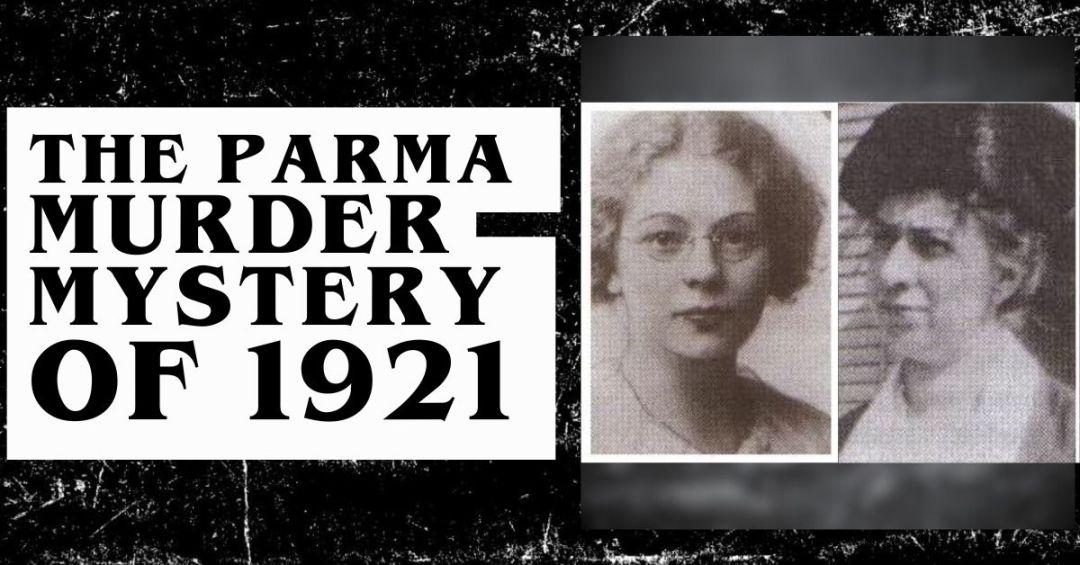

February 17, 1921, dawned bitter cold in Parma, Ohio, the kind of morning when breath hung frozen in midair and every step through the frost felt like a small victory. Bean Road, a rural stretch lined with orchards and farmlands, lay silent under winter’s grip, feeling worlds apart from the clamor of nearby Cleveland. Here, time moved slowly, tethered to the cycles of farming and the rhythm of small-town life. It was the kind of place where nothing big ever happened. Until, of course, it did.
Edward and Edith Ritenour, along with their friend Ralph Pickard, trudged along their usual route to school that morning. The dirt road, hard and frozen beneath their feet, crunched with every step. Ahead stood their temporary wooden schoolhouse—a modest structure hastily built to accommodate the growing number of local children while the town debated funding for a proper brick building. Its weather-worn walls had witnessed countless lessons and children’s laughter, but this morning would bring only silence and horror.
As they approached the school, the children noticed something unusual near the fence. From a distance, it looked like discarded clothing, perhaps blown there by the winter wind. But as they drew closer, the shapes resolved into something far more sinister. Their young minds struggled to process what lay before them: two bodies, bloodied and unrecognizable, sprawled in the frozen dirt. It was a sight that would haunt their dreams for decades to come.
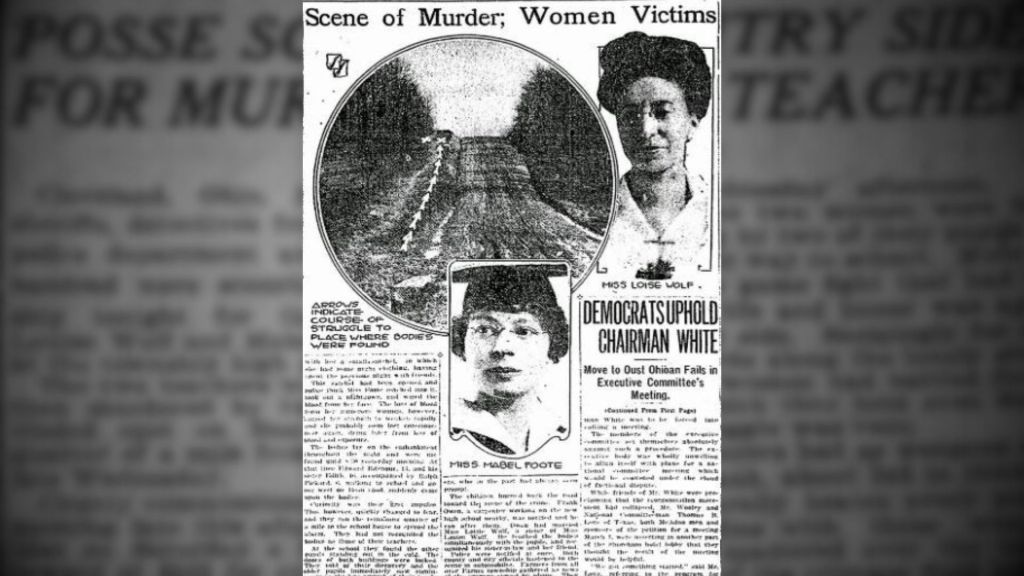
The children turned and ran, their screams piercing the morning stillness. They sprinted to the schoolhouse, where their classmates had already gathered, puzzled by the locked doors and the absence of their teachers. As the children’s cries reached them, confusion turned to terror. Miss Louise Wolfe, 45, the school’s respected principal, and Miss Mabel Foote, 24, the beloved young teacher, were missing. Now, in the most tragic way imaginable, they had been found.
The Frozen Discovery
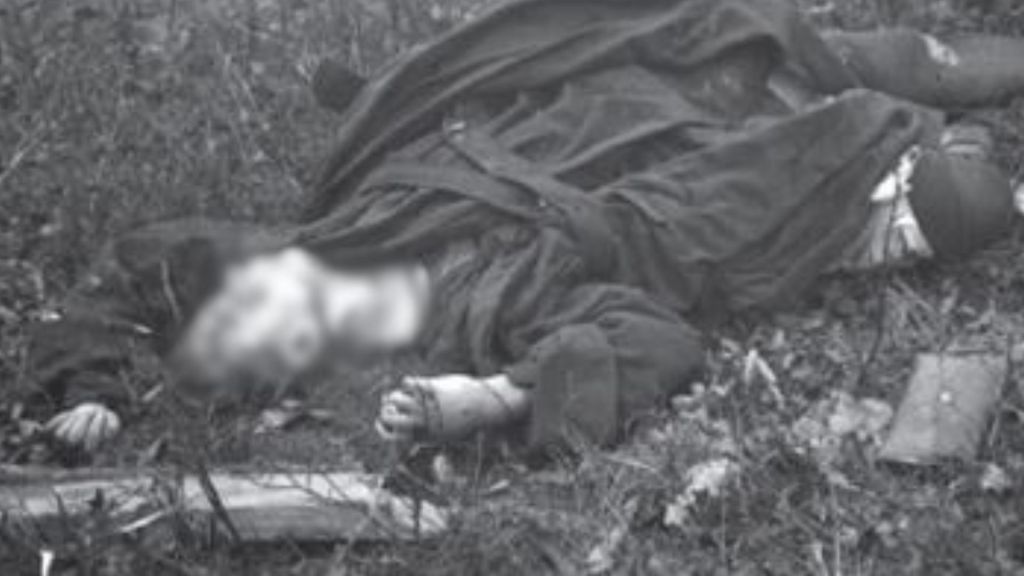
Chief Frank W. Smith arrived at the scene knowing this case would define his career. What he found on Bean Road would shake even the most seasoned investigator. Louise Wolfe lay facedown near the road, her purse still clutched beneath her body as though she had fallen protecting it. Her skull had been shattered by multiple blows, the violence of the attack evident in every wound. Twenty feet away, near the fence, Mabel Foote’s body lay in a final pose of resistance, her arms raised above her head, fists clenched. Beside her, investigators found the murder weapon—a wooden fence post, its surface darkened with blood and matted hair.
The evidence quickly ruled out common motives. The victims’ jewelry remained untouched, eliminating robbery. There were no signs of sexual assault. The crime scene told a story of sudden, explosive violence, but its purpose remained maddeningly unclear.
Mabel’s pocket watch, stopped at precisely 5:15 p.m., provided a crucial timeline. Witnesses had last seen both women leaving the school around 5:00 p.m. the previous evening, suggesting the attack occurred during their short walk home. These fifteen minutes would become the focus of intense scrutiny.
The crime scene yielded more clues. Large footprints led away from the bodies into a nearby wooded area, terminating at an abandoned chicken coop where investigators found a pool of blood partially concealed by sticks and bricks. A water pump stood nearby, suggesting the killer had attempted to clean up after the attack. The discovery of Mabel’s bloodstained schoolbooks, hidden in a barn on Royalton Road, added another layer to the mystery. One book bore her careful signature—a poignant reminder of the young teacher’s interrupted life.
Witness accounts painted a picture of suspicious activity in the area. The day before the murders, a man had stopped Mabel to ask directions to the streetcar—an interaction that seemed innocent at the time but now took on darker significance. That same afternoon, witnesses reported seeing a motorcycle with a sidecar carrying three men, two of whom had dismounted and walked toward the school. These sightings, along with reports of strange men in the area, fueled growing fears in the community.
Parma transformed overnight. Parents kept their children indoors, and local men formed armed search parties, combing the woods and fields for any sign of the killer. The police brought in bloodhounds, but the overnight frost had destroyed any scents they might have followed. As days passed, investigators explored possible connections to unsolved murders in nearby Cleveland, particularly the cases of Elsie Kreinbring and Gretchen Brandt—young women who had also been killed by blunt force trauma in isolated locations. But like so many leads in this case, these connections remained tantalizingly unproven.
The Everlasting Cold Case
As winter melted into spring, the investigation began to falter. Suspects emerged, only to disappear like morning frost. Fred Goetling, a local man with a history of mental instability, confessed to the murders in a detailed letter, only to later claim it was all an elaborate hoax. Arthur Ihlenfeld followed with his own confession, providing unsettling details about the crimes, but his story crumbled under questioning. Both men were eventually committed to state hospitals, leaving investigators no closer to the truth.
Hope briefly flickered in 1930 when the town council offered a substantial reward for information leading to the killer’s capture. New witnesses came forward, old leads were reexamined, but the nine-year gap proved too wide to bridge. In a cruel twist of fate, many of the original case files were later destroyed during a police department reorganization, taking crucial evidence with them.
The impact on Parma was lasting. The temporary schoolhouse was quickly replaced with a brick building, as though the town could somehow build away the memory of that terrible morning. Security measures were implemented in local schools, and for years, parents accompanied their children on walks that children had once made alone.
Today’s Bean Road bears little resemblance to the rural path where Louise Wolfe and Mabel Foote met their end. The orchards have given way to neat suburban homes, and few residents know the story of the two teachers who lost their lives there. But for those who remember—or who have heard the tale passed down through generations—the questions remain: Who killed these women who had devoted their lives to teaching? What darkness drove someone to such brutal violence? And could the answer still lie somewhere, buried beneath a century of silence?
The case of Louise Wolfe and Mabel Foote stands as one of Ohio’s most haunting unsolved murders, a reminder that some mysteries resist resolution, their secrets preserved in time like insects in amber, waiting for the day when new eyes might see what others missed.


 Deep Lore