
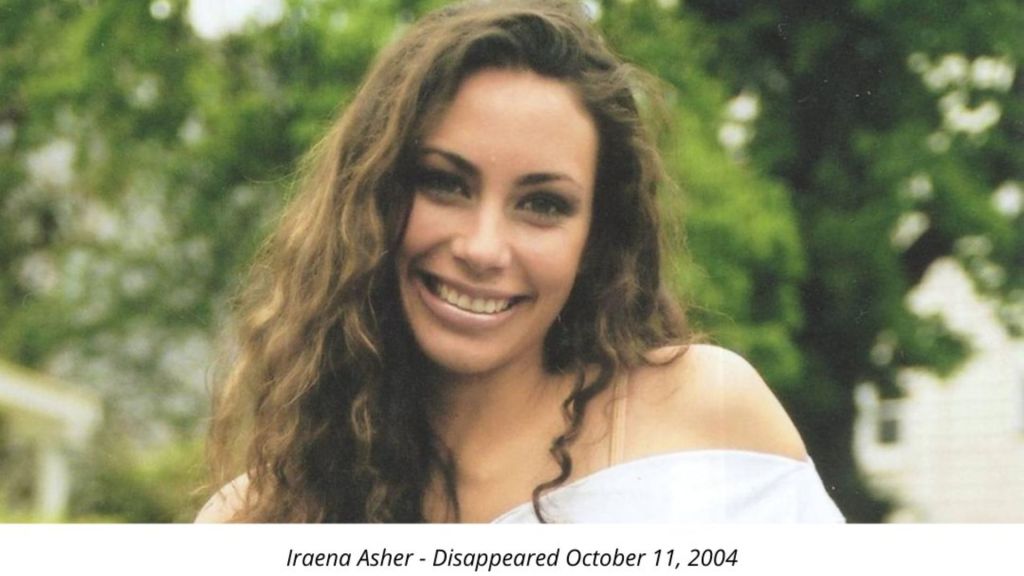
On the evening of October 10, 2004, Piha, a small beach town on the rugged west coast of Auckland, felt as though it were holding its breath. The ocean waves crashed violently against the shore, and the wind swirled unpredictably through the darkened sky. In the midst of this chaos, 25-year-old Iraena Te Rama Awhina Asher, a trainee teacher and part-time model, found herself in distress. For Iraena, it wasn’t just the natural forces that threatened to consume her; something much more internal weighed heavily on her.
Around 9 pm that night, Iraena made a desperate call to 1-1-1, New Zealand’s emergency number. She told the operator she feared for her safety, though the details of the conversation have remained shrouded in secrecy. This wasn’t just an ordinary call—her voice trembled with urgency, a plea for help that went tragically unanswered. Police, instead of dispatching a patrol car, opted to send a taxi to Piha. Perhaps they thought she was another person feigning an emergency to score a free ride home. This decision would haunt them—and Iraena’s family—for years.
The taxi was mistakenly sent to Onehunga, a completely different part of Auckland, miles away from where Iraena was waiting. Alone in Piha, a remote beachside town known for its dangerous surf and sharp cliffs, Iraena wandered aimlessly through the dark. She had spent the day at a new boyfriend’s house but left, walking nearly four kilometers to the beach, where a concerned family saw her sitting alone, crying and covered in sand. She seemed spaced out and made odd remarks about people keeping things from her. She eventually returned to her boyfriend’s friend’s house, but her behavior became increasingly erratic. She stripped off her clothes several times and acted seductively, though the men there insisted she had only smoked cannabis, not taken harder drugs.
Later that night, as her distress deepened, she fled the house and wandered the streets of Piha. It was then that Julia Woodhouse and Bobbie Carroll, a local couple, spotted her. She was wearing only underwear, Ugg boots, and a sweatshirt. Concerned, they took her into their home, offering warmth and shelter. Inside, Iraena’s behavior shifted unpredictably—at times, she seemed lucid, but at others, she appeared frightened and paranoid. The couple tried to comfort her, offering food and a shower, even helping her remove nail polish that seemed to distress her. Yet, the storm that raged within Iraena would not calm.
She spoke of needing to escape, her words cryptic and unsettled. Despite their efforts, Iraena was restless, and at 1:10 am, she abruptly left their home, venturing into the stormy night wearing only a dressing gown. The couple followed, calling after her, but she vanished into the darkness before they could stop her. Bobbie Carroll chased her briefly and later found her discarded dressing gown on the road. They briefly considered contacting the police but hesitated—after all, Iraena had earlier resisted the idea of police involvement.
This would be the last time Iraena Te Rama Awhina Asher was seen alive.
Into the Night
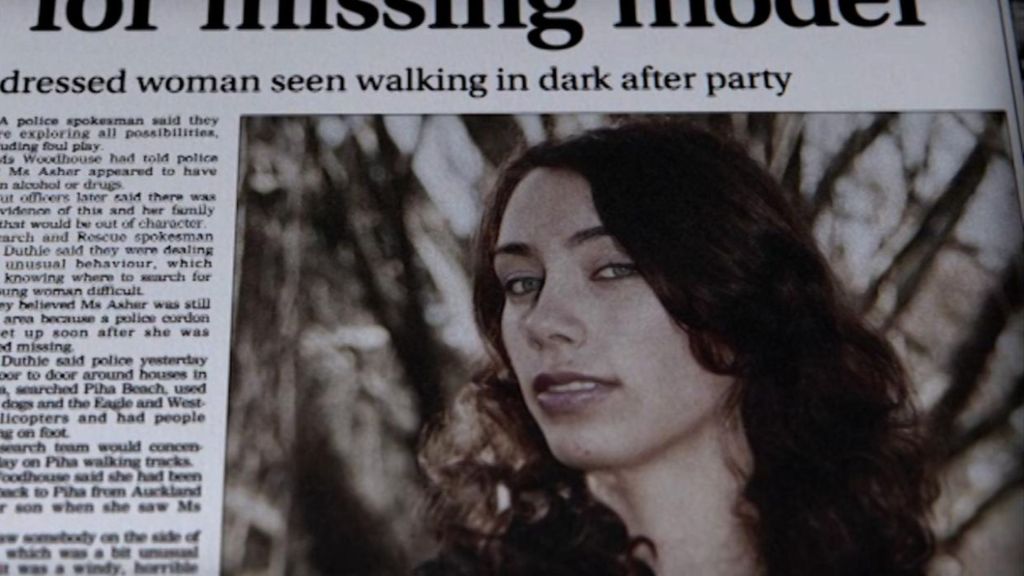
By dawn on October 11, Iraena had disappeared into the wild landscape of Piha. The beach, surrounded by steep cliffs and thick bushland, was both beautiful and treacherous. The rising sun brought with it a new sense of dread for Iraena’s family. Her absence became alarming, and they contacted the police. A search was quickly initiated. Helicopters hovered above the coastline, and search dogs were dispatched to comb through the dunes and dense forest that surrounded the area. But Iraena had left no trace.
What followed were confusing reports of sightings. Around 2 am, a couple walking their dog saw Iraena again—this time, she was completely naked. They observed her speaking to a streetlight, almost as if it were a person, before kneeling down to kiss the ground. They watched her walk toward the beach, where the dark ocean stretched out like an abyss. The couple followed her briefly, unsure of what they were witnessing, but they did not call the police, assuming she was just skinny-dipping—something not entirely unusual in Piha.
The next morning, the only evidence that remained were footprints in the sand, soon washed away by the tide. The search intensified, with rescuers sweeping the area by land, sea, and air, but there was no sign of Iraena. Some began to suspect that she had walked into the ocean and drowned. The tide had been particularly high that night, and the sea, with its strong rips and currents, was unforgiving.
The investigation deepened. Iraena’s family, still in shock, revealed that she had been managing her bipolar disorder for years. Her mental health had its ups and downs, but they had seen no signs of a serious episode in the days leading up to her disappearance. Her father, Mike Asher, recounted episodes where Iraena would flee during manic phases, prompting him to chase and restrain her for her own safety. The night she vanished, however, he wasn’t there to catch her.
The police’s failure to respond properly to Iraena’s 1-1-1 call weighed heavily on the family. Her parents, Mike and Betty Anne, expressed anger and frustration. Had the police dispatched a patrol car instead of a taxi, would their daughter still be alive? These questions lingered over the investigation like a dark cloud.
In 2012, a formal inquest was held. The coroner concluded that Iraena had most likely drowned in Piha’s dangerous waters, swept away by the strong currents. Yet, the inquest also included sharp criticism of Woodhouse and Carroll, the couple who had last seen her. The coroner suggested that their failure to call the police could have contributed to her death. This ruling was later quashed by the High Court, which found the suggestion speculative and unfair. But for Iraena’s family, the sense that authorities had failed her remained.
Piha’s Shadows
Iraena’s disappearance isn’t the only mystery tied to Piha Beach. Over the years, Piha has gained a dark reputation for swallowing those who come too close to its wild beauty. In 2012, Cherie Vousden, a 42-year-old woman, was last seen walking along the Mercer Bay loop track with a bottle of wine in hand. Her body was never recovered, and she, too, was presumed to have fallen into the sea. Then, in 2017, Kim Bambus, a 21-year-old nurse, disappeared while running along the same trails. Despite an exhaustive search, no trace of her was ever found. Laurence Wu, a 22-year-old student, vanished in 2019—his car was found parked at Piha, but like the others, his body was never recovered.
Locals began to whisper that Piha was cursed. Some spoke of ancient spirits tied to the land, of the tragic tale of a Māori chief’s daughter who threw herself from the cliffs after her beloved was taken by the sea. Others speculated that Piha’s unforgiving waters, with their deadly rips, were to blame. The coroner in most of these cases ruled that the disappearances were likely accidental drownings or suicides, as many of the victims had struggled with mental health issues or substance abuse. But the questions of what truly happened to these people, and why Piha seemed to call to those in distress, persisted.
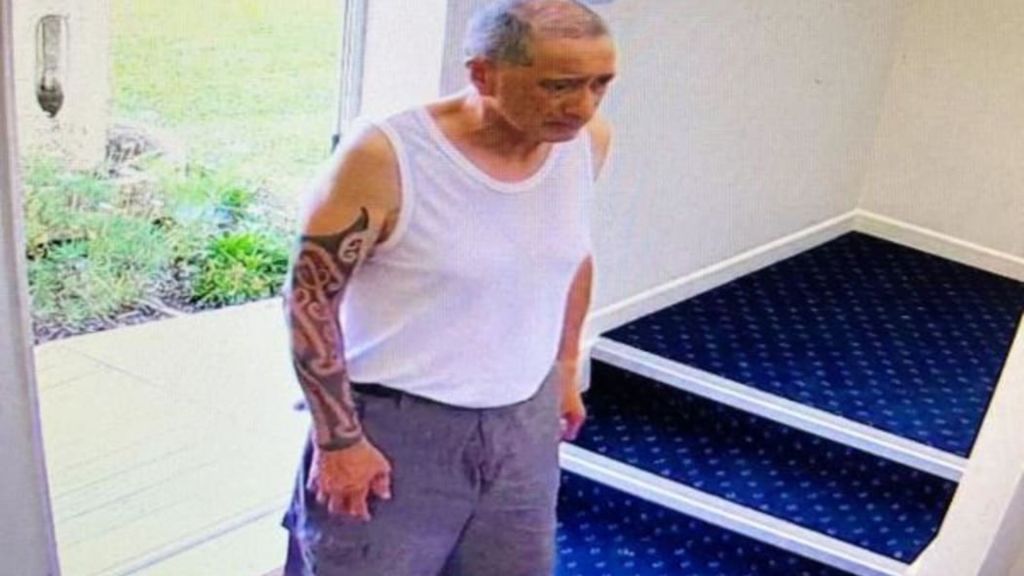
For Iraena’s family, tragedy struck once again in December 2022, when her father, Mike Asher, went missing from Piha. The place that had taken his daughter now seemed to claim him too. After a three-day search, his body was found in a bush area near Glen Eden, and the cause of death was ruled a heart attack. It was a final, devastating blow to the family that had already lost so much to Piha.
The mysteries of Piha Beach remain unsolved. For Iraena’s family and the families of those who disappeared here, the beach is both a place of beauty and deep sorrow—a reminder that some answers, like the tide, may never fully return.


 Deep Lore