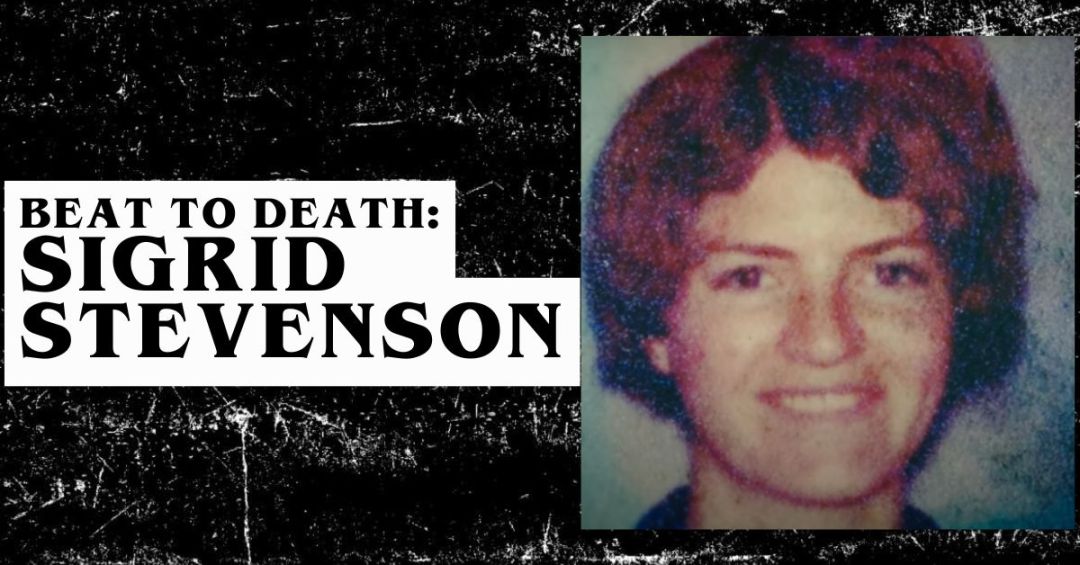
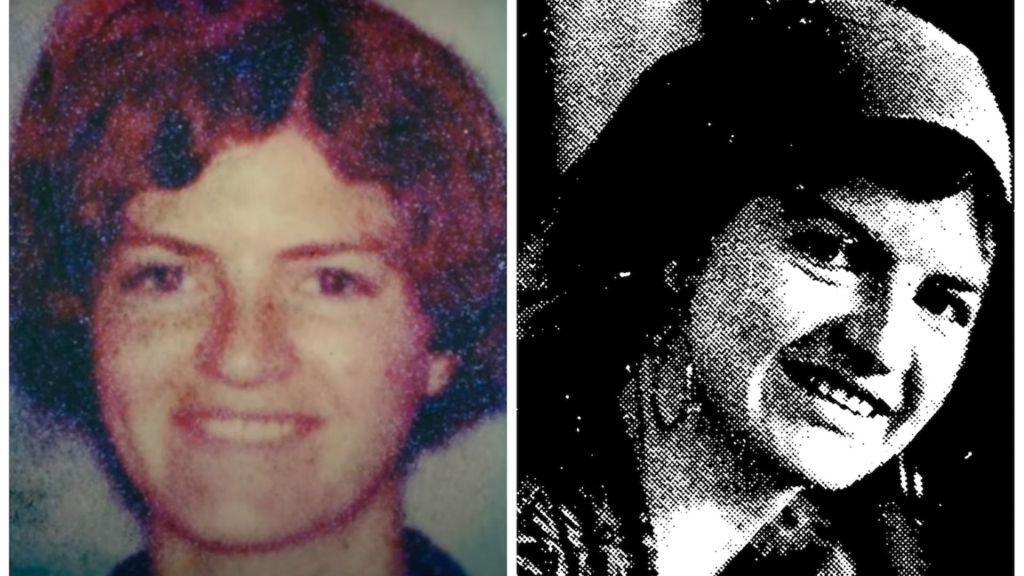
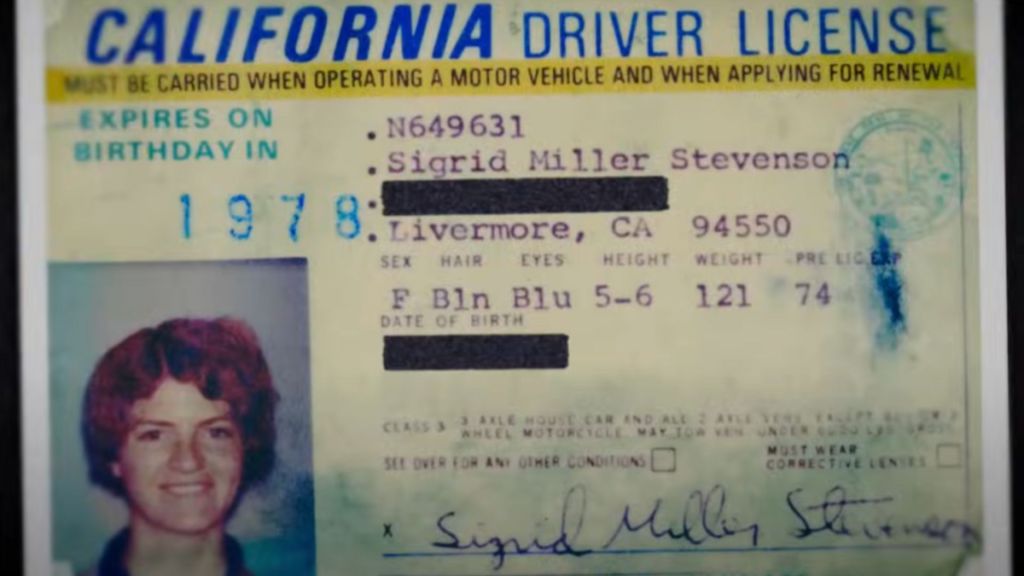
In Livermore, California, nestled 40 miles east of San Francisco, young Sigrid Miller Stevenson’s world was filled with the quiet intensity of art and nature. Born on January 24, 1952, Sigrid was the eldest daughter of Peter and Barbara Stevenson. Her father, a Marine turned nuclear chemist, had a disciplined love for music that spilled over into his daughters’ lives, especially Sigrid’s. Early on, he taught her to play the guitar, a gift that ignited her lifelong passion for music. But it wasn’t the guitar that drew her in—it was the piano, an instrument that captivated her imagination and spirit. For hours, Sigrid would sit at the keys, immersing herself in the music, creating worlds of melody where she felt most at peace. Her father’s passion had become her own, though she took it deeper, more intensely, into something almost sacred.
Throughout her school years, Sigrid’s devotion to the piano grew into something of an obsession. Friends described her as “Siggy,” the enigmatic one with long, thoughtful silences and bursts of creativity. She had a way of being fiercely independent yet caring, shy but present, navigating the world at her own pace. Though surrounded by friends, she kept people at arm’s length, preferring to be alone, especially if she could bring her journal and sketchbook along for her long walks around Livermore. A teacher once called her “eccentric,” others “a bit weird,” but Sigrid’s singular focus on her art drew admiration and even envy. For her, the piano was more than a pastime; it was an all-encompassing purpose. Her friends would see her hunched over the piano for hours, fingers moving swiftly over the keys, barely aware of the world around her.
By the fall of 1970, her artistic aspirations took her to the University of California, Riverside, where she planned to pursue a degree in music. At first, her dream was simple: to become a concert pianist. But as she spent time teaching piano to special needs children, her focus shifted. She saw the transformative power of music and decided she wanted to teach, to share the beauty she felt with others. She grew passionate about a career in musical education and spent her college years practicing piano religiously. Fellow students recalled how she would arrive early in the morning and play late into the night, her delicate yet persistent playing filling empty hallways.
After graduating in 1974, Sigrid’s wanderlust took her on adventures, but the pull of music always drew her back. By 1976, she was ready to return to school for her master’s degree, this time at Trenton State College in New Jersey, a school known for its rigorous music education program. At 24, she packed her belongings, journals, sheet music, and dreams, heading across the country for a new chapter. In Trenton, she threw herself into her studies, impressing professors with her dedication and talent. But it wasn’t all smooth sailing. Her relationship with her dorm roommate quickly soured, as her roommate complained about Sigrid’s solo travels, her trusting nature with strangers, her constant disappearances on her green bicycle, and her habit of sneaking into Kendall Hall at night to play the piano.
Kendall Hall was where she found her solace. The 1932 theater, a beloved but crumbling part of campus, was full of hiding places and had a piano on the main stage. When the hall closed at night, Sigrid would slip inside, often spending hours alone, her music drifting through the cavernous space long after the lights dimmed. It wasn’t unusual to find her sprawled beneath the stage or curled up in the costume room for the night, her only audience the dark, empty seats, and her only companion, the piano. Her life revolved around this instrument and this space—until that fateful night in early September 1977.
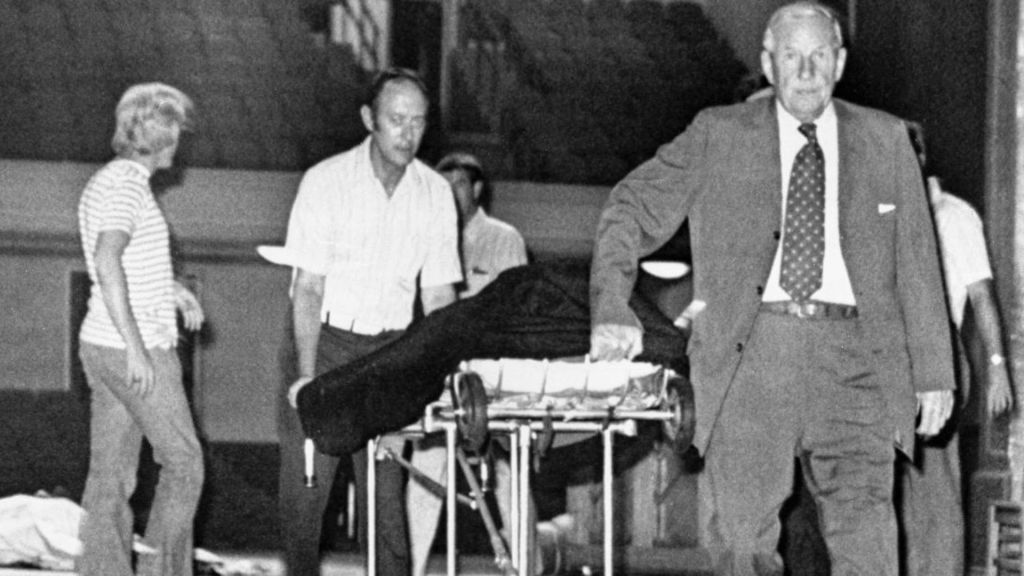
The Scene at Kendall Hall
The campus of Trenton State College lay quiet under a heavy sky that Labor Day weekend of 1977. Most students had left the grounds empty, save for a handful preparing for the year ahead. Kendall Hall, a beloved but aging theater on campus, had hosted its last summer play on Saturday, September 3. Cast members, aware of Sigrid’s affinity for the space, had invited her to attend. She accepted, lingering afterward with them in a basement dressing room for a small celebration, but as the laughter grew, she felt herself retreat. She returned to her familiar haunt within the theater, seeking the solitude of the costume room, her only company the quiet hum of empty seats beyond the stage.
The next day, she was briefly spotted miles from campus, only to slip back into Kendall Hall later that evening. By Sunday night, Sigrid was there again, immersed in her world. At around 11:30 p.m., security guard Thomas Kokotajilo noticed her green bicycle parked by the theater doors—a quiet clue that she was likely somewhere inside. The building was locked, but its silence felt wrong, almost tense, as Thomas stepped into the darkened theater, his voice echoing into stillness.
On the main stage, under the faint emergency lights, he saw it: a white canvas sheet lying near the piano, covering a figure. As he approached, the awful truth became clear. Beneath the sheet lay a woman’s nude body, her face bruised beyond recognition. Blood marked a violent trail from the piano to where she lay, her final moments lingering in the room’s quiet, heavy air. Police would later reveal the sheet didn’t belong to Kendall Hall—it was taken from a grand piano across campus in Bray Hall, an object locked away with three separate keys known only to a select few.
The body was soon identified as Sigrid’s. Near her, authorities found her backpack with a few belongings—her journal, some sketches, and small essentials. Nothing seemed to have been taken, a haunting detail that left authorities questioning motive. The autopsy confirmed the brutality of her last hours: scalp wounds, broken ribs, and evidence of sexual assault, each detail leaving a deeper chill.
Investigators sought answers within the close-knit theater community. Professors, students, and staff from that final play recounted memories and suspicions, small pieces of insight that hinted at shadows behind Sigrid’s gentle presence. Dr. Stanley Austin, head of the graduate music program, recognized the canvas sheet and confirmed it had last been seen on the Bray Hall piano. The thought lingered: someone had known its exact location and held the keys to take it.
Then came Sydney Porcelain, a theater cast member known for his self-proclaimed psychic abilities. He approached investigators with unsettling calm, holding Sigrid’s backpack and murmuring about “vibrations.” He claimed to see “a violent end” and a shadowed letter “S,” leaving authorities unsettled, his words as ambiguous as they were ominous. But when asked for details, his insights vanished into empty gestures.
Others, too, became figures of intrigue. Chuck, a fellow cast member with a dark sense of humor, had once told his ex-girlfriend, “I could kill you and get away with it. I’ve done it before.” His costume, including handcuffs and a baton, struck a strange chord, echoing the marks found on Sigrid’s wrists. Investigators combed through each clue, but when his DNA was tested, it didn’t match. Her playbill held a cryptic note, “nice man, gave me a beer,” perhaps referring to him—but it was just another fragment, a ghost of a clue that faded in the light of evidence.
In these interviews, there were whispers of jealousies, subtle rivalries, and an uneasy undercurrent of secrets. Theater staff, campus workers, and even security officers—all were drawn into a web of faint suspicion. Each lead, however, dissolved under scrutiny, leaving investigators with a puzzle missing its final, critical pieces. As days stretched into months, hope faded that anyone would be brought to account for the crime that had forever changed Kendall Hall.
Haunting Silence
Years slipped by, each one distancing Trenton State from the horror of that Labor Day weekend in 1977. Sigrid’s death slowly transformed from a heart-wrenching tragedy to a campus ghost story, a tale shared by students each year as they stood in the empty shadows of Kendall Hall. The haunting details—the blood-streaked piano, the white canvas sheet, her final, silent vigil on the stage—became twisted into legend, the true horror of her life and death obscured by time.
Despite an investigation that scoured suspects and suspects’ secrets alike, no clear answer emerged. Campus security officers, theater technicians, and even casual acquaintances each held their own dark suspicions, but the strands of evidence never wove together into a solution. A few names resurfaced, including a maintenance worker who had spent time with Sigrid, but with each new lead came only more dead ends. Meanwhile, her scholarship fund faded, her memory replaced by whispers in the hallways and hushed voices at night.
Though investigators have managed to pull DNA from the few remaining samples, each new attempt at justice is another reminder of how cold the case has grown. Now, nearly half a century after Sigrid’s last notes echoed through Kendall Hall, her memory lingers more as mystery than fact. The halls where she once played and dreamed serve as a quiet testament to a life and a loss the campus has never quite reckoned with. In the end, Sigrid’s story remains an unanswered chord, a solitary note echoing into silence, a mystery wrapped in the shadows that were once her safe space.


 Deep Lore