
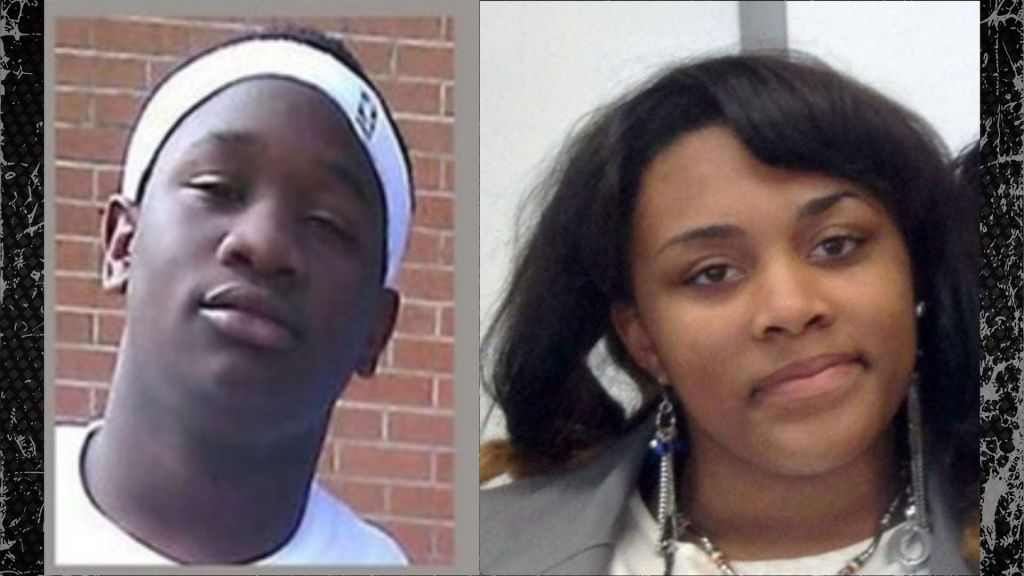
In the vibrant heart of New Orleans, where the pulsing beats of jazz often echo through the streets, a chilling silence fell on April 27th, 2012. On this day, the city’s rhythm was disrupted not by celebration but by a harrowing act of violence that would leave two families shattered and a community grappling with loss.
Brandon Shane Adams, a fifteen-year-old with a promising future and a passion for sports, had recently moved to New Orleans. Brandon, an eighth-grade student at KIPP Believe College Prep, Brandon had quickly adapted to his new environment, embracing the city’s culture and its fervent love for sports. He was not just an honors student but a vibrant young soul, known for his amazing hamburgers and an impressive collection of sneakers. His life in New Orleans was full of potential, surrounded by a large and loving family, including his mother Shawan Adams Frank and father, Brian Frank.
On that fateful day, Brandon decided to spend the evening playing basketball at nearby Sampson Park, a local gathering spot where he frequented to shoot hoops and hang out with friends, including his girlfriend, Christine Domonique Marcelin. Christine, also fifteen, shared Brandon’s academic ambitions and dreamed of attending Princeton University to pursue a career as a veterinarian. Like Brandon, she was deeply rooted in her community, known for her empathy and forward-looking aspirations.
As the sun began to set, what was supposed to be a routine outing to the park took a dark turn. Brandon, amid the laughter and dribbling of basketballs, encountered a group of local teens who weren’t welcoming. They bullied him, hurling harsh words filled with jealousy and territorial disdain, suggesting he didn’t belong because he wasn’t originally from New Orleans. Brandon, upset yet resilient, chose to ignore the provocation and continued playing, focusing on the game he loved.
Concerned when Brandon didn’t return home after several hours, his mother sent his eighteen-year-old brother, Eric, to the park. Eric found Brandon and Christine in good spirits despite the earlier confrontation. They decided it was time to head home, a decision that marked the beginning of a nightmare. As the brothers and their friends parted ways with Christine, who set off to visit another friend, the evening’s peace was abruptly shattered.
While walking home, the brothers made a brief stop at a convenience store for some candy, a simple pleasure on a seemingly normal night. However, as they continued their journey, crossing the intersection of Montegut and Pleasure Street, horror struck. Out of the shadows, two masked figures emerged, their intentions deadly. The assailants, brandishing guns, opened fire on the unsuspecting brothers. Panic ensued as Brandon and Eric, terrified, scrambled for their lives, darting down Montegut Street toward the safety of their home, mere blocks away.
The gunshots echoed through the neighborhood, a haunting sound too familiar to the area known for its frequent violence. Eric was hit in the back and leg but survived the assault. Tragically, Brandon was not as fortunate. Struck multiple times, including a fatal shot to the head, he fell victim to a ruthless act of violence that abruptly ended his dreams and his future.
In the aftermath, the neighborhood was left to mourn the senseless loss of a young life full of potential. Brandon’s death was a brutal reminder of the fragility of peace in a community too often overshadowed by violence. His family, friends, and girlfriend Christine were plunged into deep grief, a grief that would only deepen in the days to come as the city awoke to another tragedy linked to that dreadful night.
A Murder Most Foul
In the days following Brandon’s tragic death, the tight-knit community of New Orleans found itself engulfed in pervasive sadness that soon turned into sheer horror. As the Adams family began the somber preparations for Brandon’s funeral, another devastating blow was dealt to the community—this time, it would strike Christine Domonique Marcelin, Brandon’s girlfriend, and confidante.
Christine had been deeply affected by Brandon’s sudden and violent death. She had spent the evening after the shooting with Brandon’s mother, Shawan Adams, trying to offer comfort while grappling with her own grief. Determined to honor Brandon’s memory, Christine had requested to speak at his funeral, a gesture that Shawan gratefully accepted, adding Christine’s name to the funeral program.
However, Christine would never get the chance to deliver her eulogy. In a cruel twist of fate, just three days after Brandon’s death, the morning of April 30th exposed another layer of tragedy for the community. Christine’s body was discovered on Alcee Fortier Boulevard, a discovery as shocking as it was brutal. The police found her lifeless body riddled with fourteen gunshot wounds—most disturbingly, around her face, neck, and shoulders, indicating a ruthless execution. This violent act mirrored the lawlessness that sometimes gripped the city, yet the targeted nature of Christine’s death suggested a more personal vendetta.
As the community reeled from the news, investigators scrambled to piece together Christine’s final hours. The evening before her body was found, Christine had attended a vigil for Brandon. The event was laden with sorrow as friends and family gathered to light candles and share memories of the young lives cut tragically short. As the vigil concluded, Christine realized she didn’t have a ride home. Despite calls to her mother and aunt, who were unable to assist her, she eventually informed her family she would get a ride with someone from the vigil—a decision that would unknowingly lead to her last moments.
The investigation into Christine’s murder began under the heavy shadow of Brandon’s unsolved case. Police tried to establish a timeline of her last known whereabouts, focusing on her interactions at the vigil and the mysterious circumstances under which she left. The community speculated whether her murder was a direct consequence of Brandon’s—perhaps she knew something critical about his attackers or was targeted to prevent her from revealing what she knew.
In the midst of this turmoil, the families of both teenagers tried to find solace in their memories. Brandon and Christine had been more than just high school sweethearts; they were bright, ambitious young individuals who shared dreams that would never come to fruition. Brandon, remembered for his love of sports and cooking, had aspired to go to college after graduation. Christine, equally driven, had hoped to attend Princeton University and dreamed of becoming a veterinarian. Her empathetic nature extended beyond humans to animals, illustrating her nurturing spirit.
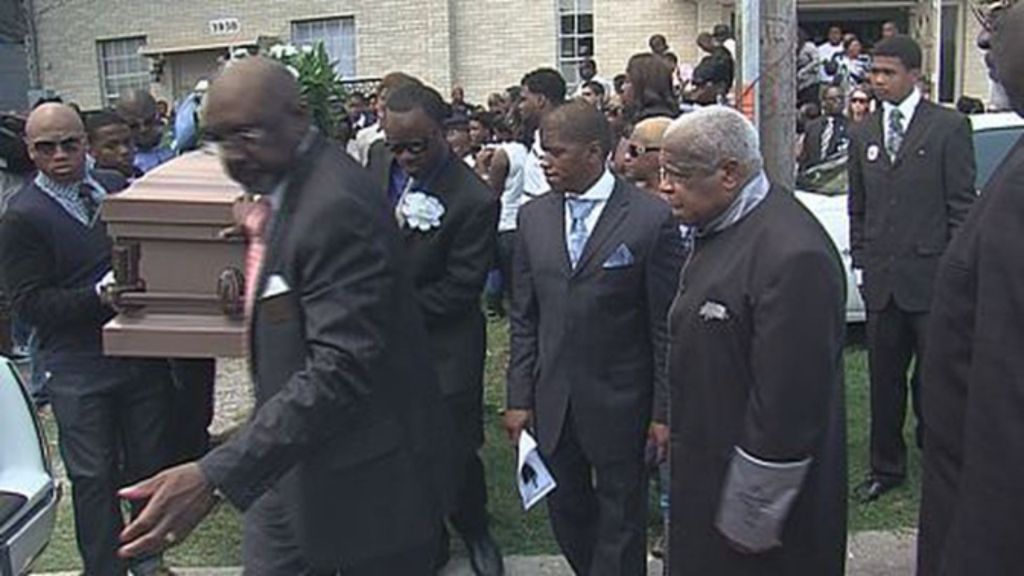
The vigils and subsequent funerals for both teenagers were heavily attended, a testament to their impact on the community and the widespread mourning that followed their deaths. At Brandon’s service, held at St. Bernard Community Baptist Church, the crowd was so large that many mourners had to stand outside. The grief was palpable, with teachers, classmates, and family members sharing tearful remembrances of a life full of promise, now lost.
Christine’s funeral, held just days after Brandon’s at the Abundant Life Tabernacle, was marked by a poignant theme: “A Celebration of Summer.” This theme reflected the bright, hopeful nature of Christine’s personality. Her service was filled with yellow flowers, and speakers remembered her as a vibrant, caring young woman who had wanted to make a significant impact on the world.
As the community tried to heal, the unresolved nature of their deaths hung like a dark cloud over New Orleans. The police continued their investigations amidst growing frustration and fear. The double homicide not only devastated two families but also left a scar on the community, a stark reminder of the work still needed to ensure safety and justice in their streets.
An Unexpected Suspect Appears
As the community continued to mourn, the focus shifted toward seeking justice for Brandon and Christine. The New Orleans Police Department, under intense scrutiny, worked tirelessly to unravel the mysteries surrounding the tragic events. It was a challenging investigation, compounded by the fact that the motives behind the murders were obscured by layers of neighborhood tensions and a possible vendetta.
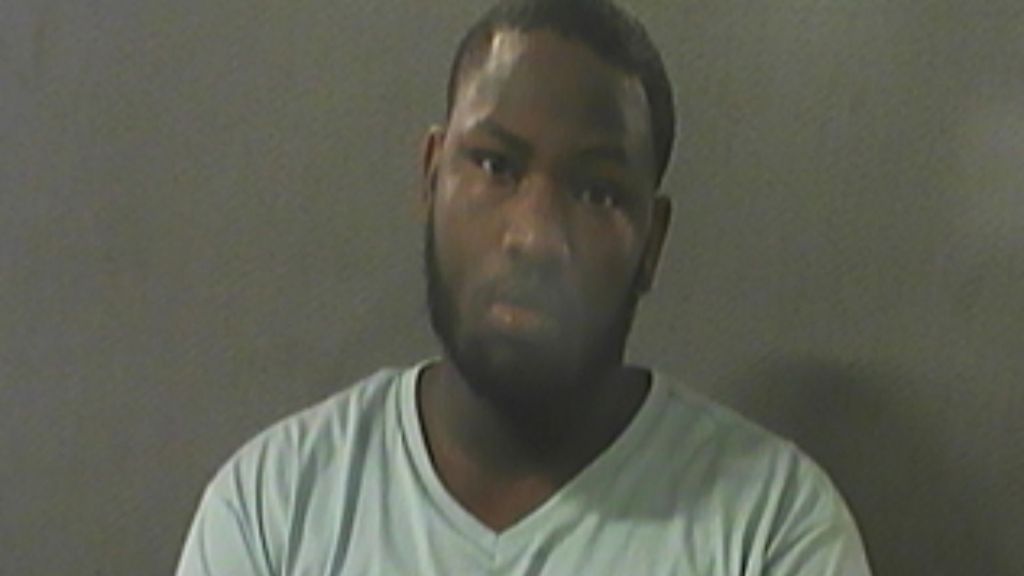
The breakthrough in Christine’s case came unexpectedly. The investigation revealed that on the night of the vigil, contrary to previous beliefs, Christine did not leave with a relative of Brandon but with Eric Adams, Brandon’s older brother. Eric had told Christine he needed to pick up his great-aunt and then would drop her off. This new information steered the investigation in a different direction, as Eric became a person of significant interest.
As detectives delved deeper, they uncovered disturbing evidence against Eric. Cell phone records placed him at key locations correlating with Christine’s last known movements and the discovery of her body. These findings led to Eric’s arrest and subsequent charges of second-degree murder, kidnapping, and obstruction of justice. His trial became a focal point of public and media attention, raising tensions and expectations for a resolution.
The trial was a contentious affair, with the prosecution presenting a case built on the testimony of jailhouse informants who claimed Eric had confessed to the crimes. These informants, often viewed skeptically due to their potential motives for testifying, became central figures in the courtroom drama. The prosecution argued that Eric had killed Christine as a twisted form of retribution, believing she had somehow precipitated the events leading to his brother’s murder.
Eric’s defense team vigorously contested the allegations, pointing out the weaknesses in the prosecution’s case, particularly the reliability of the informants’ testimonies. They highlighted Eric’s physical condition post-shooting, arguing it was implausible for him to commit such a heinous act given his injuries. Moreover, they suggested that the real perpetrators were still at large, possibly among the same group that had targeted Brandon.
After a tense and emotionally charged trial, the jury delivered their verdict. Eric was acquitted of the kidnapping and murder charges but found guilty of obstruction of justice. This mixed outcome left the community with mixed feelings—relief for some who believed in his innocence and frustration for others who felt justice was only partially served.
The sentencing phase was another point of contention. Although acquitted of the more severe charges, Eric faced a significant prison term for obstruction of justice. The judge, balancing the complexities of the case, sentenced him to twenty years of hard labor. This decision was met with mixed reactions; Eric’s family felt it was disproportionately harsh given the acquittal on the murder charges, while Christine’s family and friends were devastated, feeling that it fell short of addressing the gravity of their loss.
Throughout the trial and sentencing, the families of both Brandon and Christine remained in the public eye, enduring their grief under intense scrutiny. Statements from family members during the sentencing highlighted the profound impact the crimes had on their lives. They spoke of their unending sorrow, the dreams dashed by violence, and the ongoing struggle to find peace.


 Deep Lore