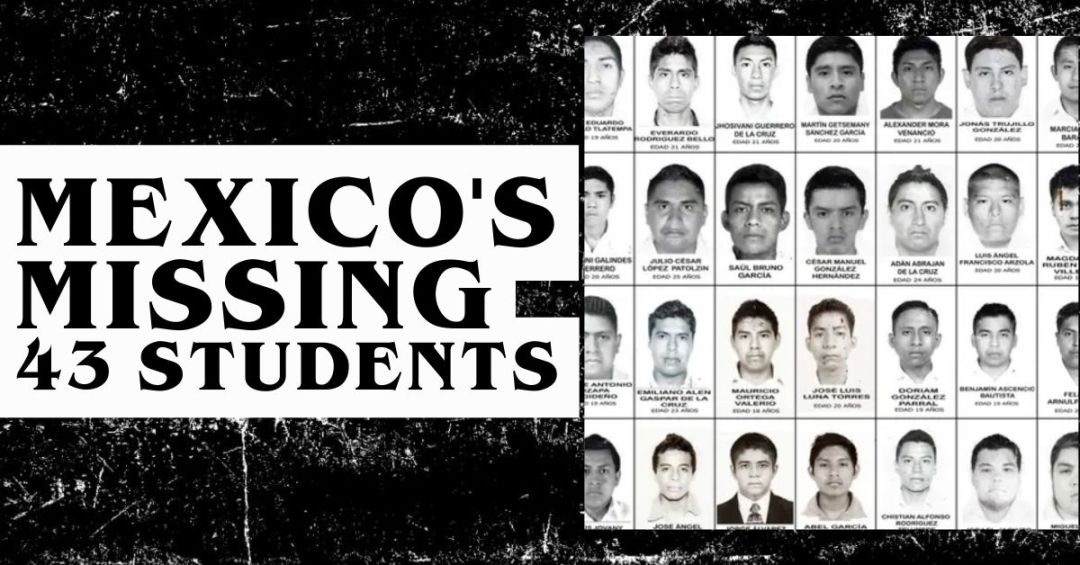
It was a night like any other in the small city of Iguala, Guerrero, Mexico. As the sun set on September 26, 2014, a group of young, hopeful students from the Ayotzinapa Rural Teachers’ College were preparing for a journey. These were not ordinary students, but a determined cohort passionate about their country’s past, eager to commemorate an event etched in the annals of Mexican history – the 1968 Tlatelolco massacre. The massacre was a brutal reminder of a government’s capacity for violence against its own people, a painful memory they felt was important to never forget.
The students planned to commandeer several buses to travel to Mexico City, as they did annually, to mark the anniversary of this tragic event. Little did they know, their peaceful mission of remembrance would soon transform into a horrifying ordeal that would send shockwaves around the world.
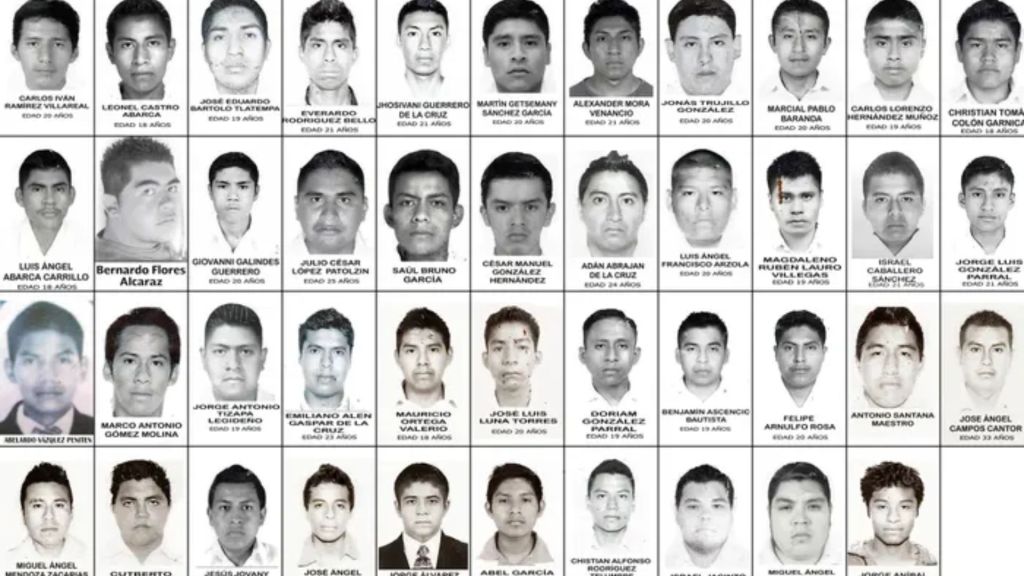
As the night unfolded, an unexpected and chilling event took place. Forty-three of these young men, full of aspirations and dreams, would suddenly and mysteriously disappear. They were forcibly abducted, an act so abrupt and shocking that it would grip the nation and draw the attention of the world. This was not just an attack on these young lives but also a stark reminder of the still-lurking shadow of corruption and organized crime in Mexico.
The disappearance of the 43 students from the Ayotzinapa Rural Teachers’ College is a haunting tale of tragedy that blends crime, corruption, and the struggle for justice. As we delve into the dark corners of this tale, we uncover a story of power, impunity, and a desperate search for truth that continues to this day. It is a story that leaves us questioning: How could such a calamity occur, and why does the full truth remain hidden?
The Night of the Abduction
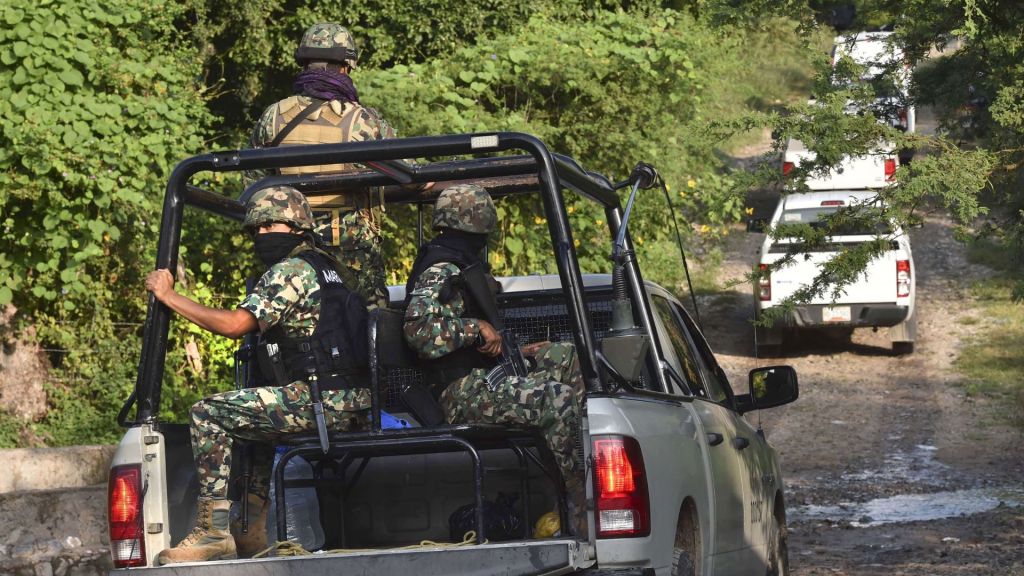
The group of students had a simple plan: commandeer buses, a common practice for political protests in Mexico, to travel to Mexico City and participate in the commemoration of the 1968 Tlatelolco massacre. But as they moved through the city of Iguala, their plans were abruptly interrupted. Local police officers intercepted the buses, establishing roadblocks and even opening fire. The details of what exactly transpired during and after this violent standoff remain hazy, a puzzle that investigators and the world have been trying to piece together since that fateful night.
What we do know is this: after the confrontation, 43 of the students were missing. Eyewitness accounts, survivor testimonies, and investigations revealed that the students were forcibly taken into custody by the local police. In a shocking twist, it was alleged that the police, who are mandated to protect citizens, handed over the students to the local Guerreros Unidos (“United Warriors”) drug cartel. This revelation, a gruesome example of collusion between law enforcement and organized crime, would become the central narrative of the ensuing investigation. But even this narrative, it would later emerge, was riddled with inconsistencies and lies.
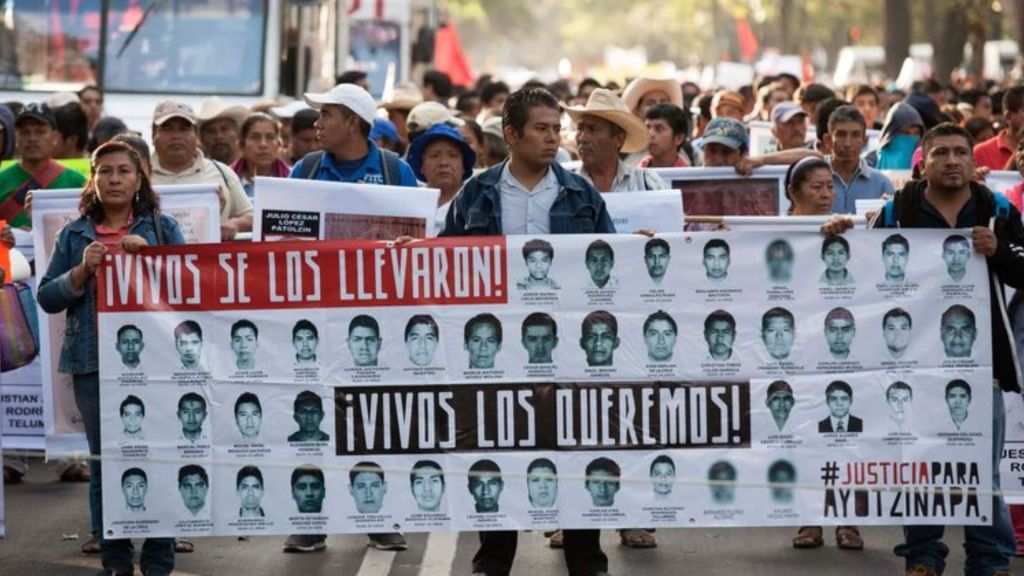
The students, once full of revolutionary spirit and hopeful anticipation, were now the victims of an unimaginable nightmare. Their families and friends waited anxiously, hoping for some news, any news, of their whereabouts. The silence was deafening. The students had vanished, and a cloak of uncertainty and fear descended upon the city of Iguala and, soon after, the entire nation. The abduction sparked outrage and ignited widespread protests, turning the 43 missing students into haunting symbols of Mexico’s rampant corruption, lawlessness, and the deadly war on drugs.
The world watched in shock and horror as the grim reality sank in: 43 young men, who were merely trying to remember a dark chapter of their country’s history, had been swallowed up by an even darker present. The question on everyone’s lips was: where were the missing 43? The search for answers would uncover a tangled web of corruption, lies, and a desperate cover-up attempt reaching the highest levels of power.
A Tale of Corruption and Power
The disappearance of the 43 students shook the foundations of Mexico and captured the attention of the world. As days turned into weeks, pressure mounted on the Mexican government to find the missing students and bring the perpetrators to justice. The ensuing investigation would reveal a shocking collusion between political power, law enforcement, and organized crime.
Authorities quickly turned their attention to José Luis Abarca Velázquez, the mayor of Iguala, and his wife, María de los Ángeles Pineda Villa. The power couple were members of the Party of the Democratic Revolution (PRD), but their political standing did little to shield them from mounting accusations. As the investigation unfolded, it was suggested that they had masterminded the abduction to prevent the students from disrupting a campaign event in the city. The couple, however, would never stand trial for the students’ disappearance. They managed to flee after the incident, only to be arrested about a month later in Mexico City, but for a different crime: the murder of activist Arturo Hernández Cardona.
As the political drama unfolded, another key figure was implicated in the abduction – Iguala’s police chief, Felipe Flores Velásquez, who was arrested in October 2016. The roles these figures played painted a chilling portrait of a city and a nation grappling with corruption at its core.
But the revelations wouldn’t stop there. In a shocking twist, accusations of a cover-up began to surface. Some sources claimed that the 27th Infantry Battalion of the Mexican Army was directly involved in the kidnapping and murder of the students. The government’s narrative of a simple handover to a drug cartel was starting to unravel.
The plot was thickening, and the line between the criminals and the supposed upholders of the law was becoming increasingly blurred. The investigation was marred by mishandling of evidence, torture, coercion, and forced confessions, leading to a crisis of confidence in the Mexican justice system.
The Bungled Investigation
As the days passed and the world’s attention focused on the mystery of the missing 43 students, the investigation into their disappearance became a saga of its own. The initial investigation was marked by serious flaws that led to a crisis of faith in the country’s justice system.
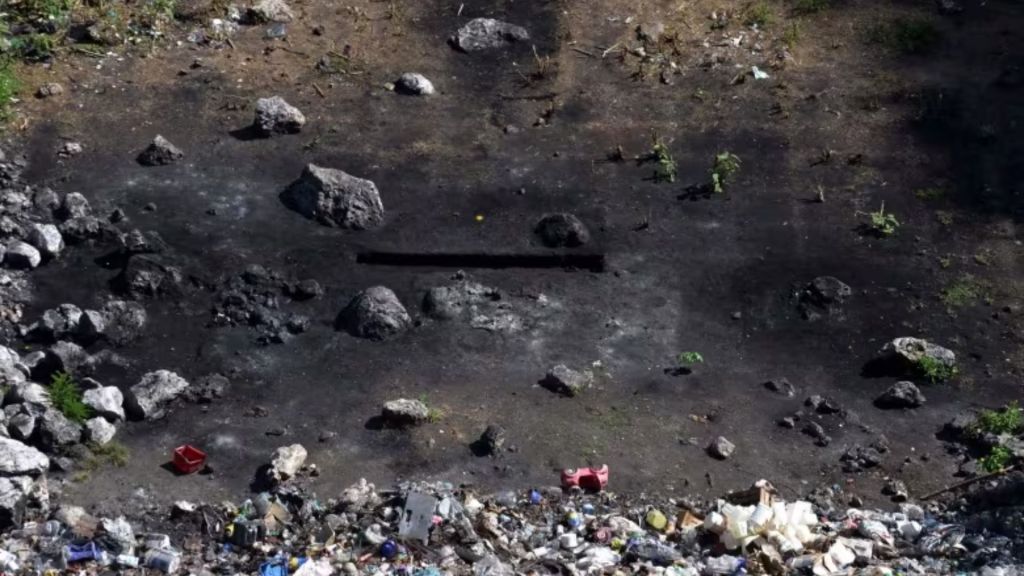
The Mexican government’s narrative—that the students were abducted by local police, handed over to the local Guerreros Unidos (“United Warriors”) drug cartel, and then probably killed—was met with skepticism. The Inter-American Commission on Human Rights (IACHR) assembled a panel of experts who conducted a six-month investigation in 2015. Their conclusion was shocking: they stated that the government’s claim that the students were killed in a garbage dump because they were mistaken for members of a drug gang was “scientifically impossible.”
In the meantime, the Mexican authorities faced criticism for their handling of the case. Initial investigations were botched with torture, mishandling of evidence, coercion, and forced confessions. So flawed were these initial proceedings that many of the charges against the suspects were later dismissed. To say that the investigation was a debacle would be an understatement.
Adding fuel to the fire, Assistant Interior Secretary Alejandro Encinas made a shocking revelation. He claimed that security forces had actually abducted the students and handed them over to a local drug gang. This was a stark departure from the initial narrative provided by the government, suggesting a disturbing collusion between the police, military, and drug traffickers.

Arrests and Revelations
As the botched investigation and the growing international outcry led to a renewed effort to solve the case, various arrests were made and new information came to light.
In a significant breakthrough, Mexico announced the arrest of Gualberto Ramírez, the former head of a federal anti-kidnapping unit, in connection with the disappearance of the 43 students. Ramírez was head of the anti-kidnapping unit for the attorney general’s office when the students went missing. He now faced charges of disappearance, torture, and conspiracy for the botched investigation into the abductions.
More shockingly, eight soldiers were detained in the case, implicating the military in the disappearances for the first time. They were charged by civilian prosecutors with disappearance and were being held in a military prison. These developments suggested that there may have been police and military collusion with drug traffickers, adding a new, chilling dimension to the case.
The arrests did not stop there. Mexican authorities also claimed that José Luis Abarca Velázquez, the mayor of Iguala, and his wife, María de los Ángeles Pineda Villa, had masterminded the abduction. They wanted to prevent the students from disrupting campaign events held in the city. Both fled after the incident but were arrested about a month later in Mexico City for the murder of activist Arturo Hernández Cardona.
It was a slow process, but the true story of what happened that night in Iguala was beginning to emerge. The arrests and charges revealed a sinister web of corruption, implicating those at the very top of the local government and law enforcement. The Iguala mass kidnapping was not just a tragic event; it was a symptom of a much deeper rot within the system. As the truth began to emerge, the world looked on, waiting for the final piece of the puzzle: the fate of the remaining missing students.
The Ongoing Search for Justice
Despite the arrests and the emerging truths, the Iguala mass kidnapping case remained far from resolved. Many questions about the events of that fateful night and the fate of the missing students were left unanswered. For the families and friends of the 43 students, the search for justice continued unabated.
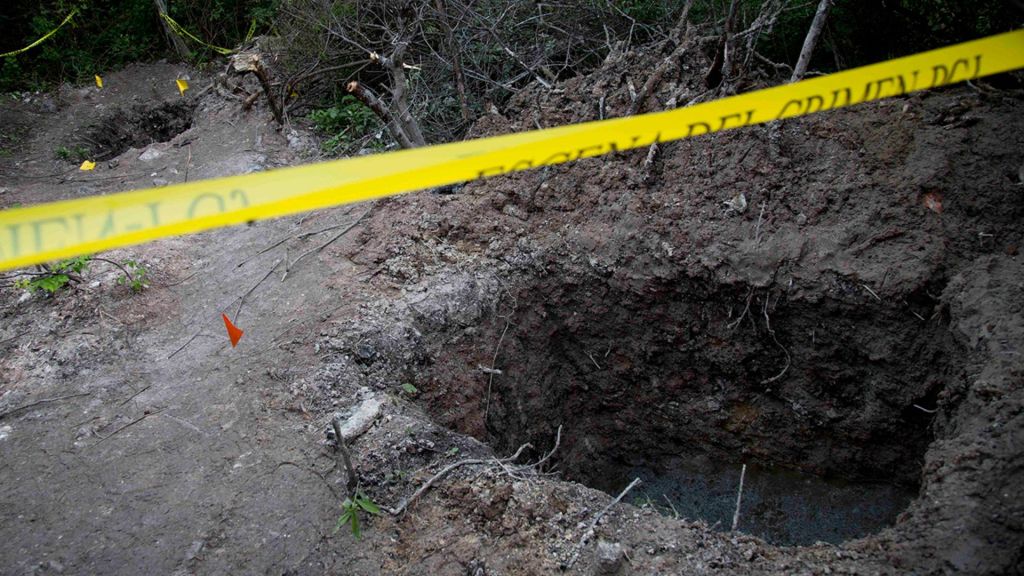
In November 2014, Mexican Attorney General Jesús Murillo Karam announced that several plastic bags had been found by a river in Cocula containing human remains, possibly those of the missing students. This marked another grim chapter in the tale. Of the 43 students, only two have been confirmed dead after their remains were identified by the Austria-based University of Innsbruck.
In the years that followed, at least 80 suspects were arrested in the case, 44 of whom were police officers. This suggested the presence of a systemic problem within the Mexican law enforcement system and the government. The arrests of soldiers implicated the military in the case, adding to the layers of institutional corruption connected to the crime.
Yet, the case remained shrouded in mystery and controversy. Allegations of a cover-up involving the 27th Infantry Battalion of the Mexican Army surfaced. If true, this suggested an even more alarming level of state collusion in the crimes. To this day, the motive for the students’ abduction remains unclear, and many details about the events of September 26, 2014, are still unknown.
The Iguala mass kidnapping is a dark and complex tale of corruption, institutional failure, and human rights abuses. The pursuit of truth and justice in this case has become a symbol of the fight against impunity and corruption in Mexico. As the world continues to watch, the memory of the 43 students and the struggle for justice lives on, a stark reminder of the tragedies that can occur when power is unchecked and corruption is allowed to thrive.
The story of the Iguala mass kidnapping is not yet over. As long as questions remain and justice is unfulfilled, the search for truth will continue. For the families of the 43, and for all who believe in justice and human rights, the quest for answers and accountability persists. The missing students of Ayotzinapa may be gone, but they will never be forgotten. Their story serves as a powerful call to action, a plea for truth, and a demand for justice that echoes across Mexico and the world.


 Deep Lore