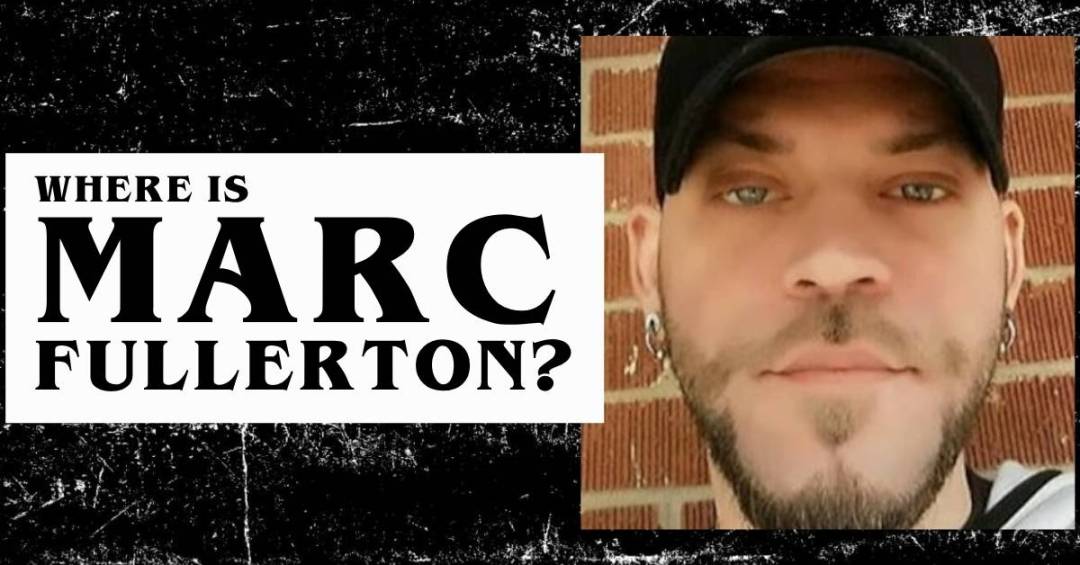
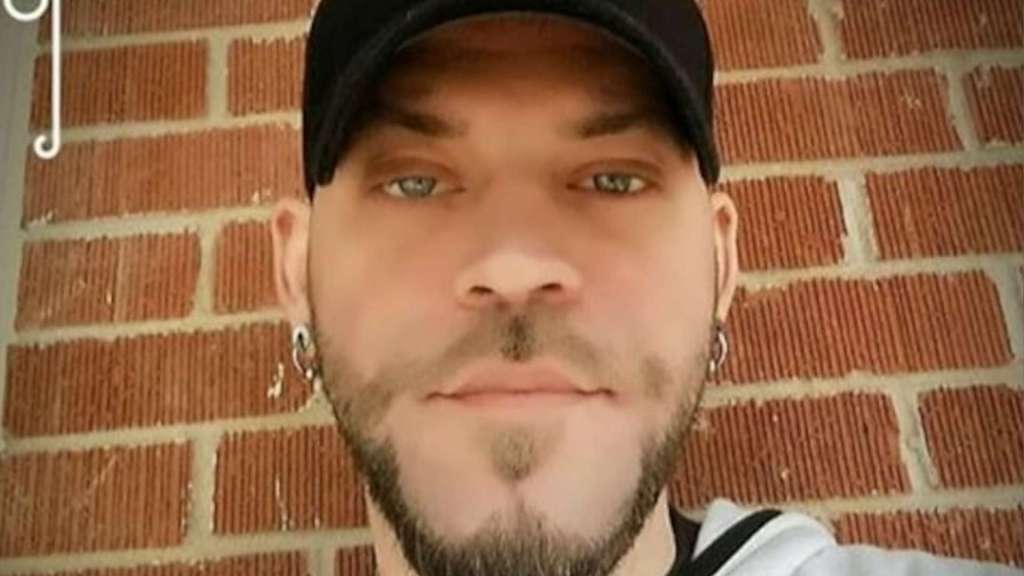
A thirty-five-year-old father stepped into the June heat wearing only black shorts, and the life he left sitting on tables and counters has never matched the story of a man who chose to walk away.
On Tuesday, June 2, 2020, at around 7:30 p.m., Marc Randall Fullerton called his mother from Braggadocio, Missouri, the same way he did every evening. The calls were ritual—his mother described them as “always daily,” the kind of simple contact that marked him as steady and rooted. When Wednesday came and went without that call, the absence itself was an alarm.
According to the only person who claimed to see him that day—his girlfriend at the time—Marc left her house sometime between 2:00 and 3:00 p.m. on June 3. She said he walked out wearing only black shorts, no shirt, no shoes, no hat. She suggested he might have been heading to his grandfather’s home about two miles away. In some versions of her account, there had been an argument before he left; in others, he slipped away quietly while she was in the bathroom.
Outside, the air was thick with early-summer humidity, the kind that makes everything feel slower. Marc’s truck sat parked in the driveway. His keys and wallet rested inside the house. His phone was still plugged into its charger. On the kitchen counter sat his dentures, removed during major dental surgery weeks earlier. He was still in recovery—weak, nauseated, unable to eat solid food. His girlfriend told investigators he had been “vomiting and sick as a dog” that day. On the floor near the doorway lay the cross necklace he was known never to take off, broken cleanly in two.
At 5:00 p.m., after several hours had passed, she finally called his mother to say he had “walked off.” Deputies from the Pemiscot County Sheriff’s Office arrived later that night. They searched the area around the house, stayed until about 3:00 a.m. on June 4, and filed an initial missing person report. The official record lists the report date as June 4. A NamUs file wouldn’t appear until August 18—seventy-six days later.
The details of what Marc left behind are as telling as anything he might have said. His truck. His wallet. His phone. His glasses. His dentures. His shoes. The tools of daily life, all left untouched. Without his glasses, he would have struggled to see clearly. Without his dentures, he couldn’t eat. Without his wallet, he had no identification, money, or transportation. The case file would later describe it as an “abandoned identity,” a total severing of the things that made independent life possible.
Then there was the necklace. Family members said Marc never removed it, a small silver cross that hung from a sturdy chain. The chain didn’t slip—it snapped. Investigators found it broken on the floor of the girlfriend’s home. In the words of the case summary, it was “tangible, physical evidence that strongly implies a violent physical struggle.” It was not the kind of object that failed on its own.
Marc’s family emphasized another pattern: his vulnerability. He was recovering from full dental extraction, ill, and emotionally strained. He had told people close to him that he planned to end his relationship that day. The combination—poor health, pain, and the decision to leave—formed a moment of deep exposure. It was a point when conflict could turn quickly into crisis.
By the time his family was notified, any chance of an immediate search had vanished with the daylight. Roads around Braggadocio stretch long and flat, bordered by fields and ditches, the horizon broken only by silos and trees. Deputies combed the area but found nothing. There were no footprints, no discarded clothing, no sign of a man who had set out to walk two miles barefoot and sick.
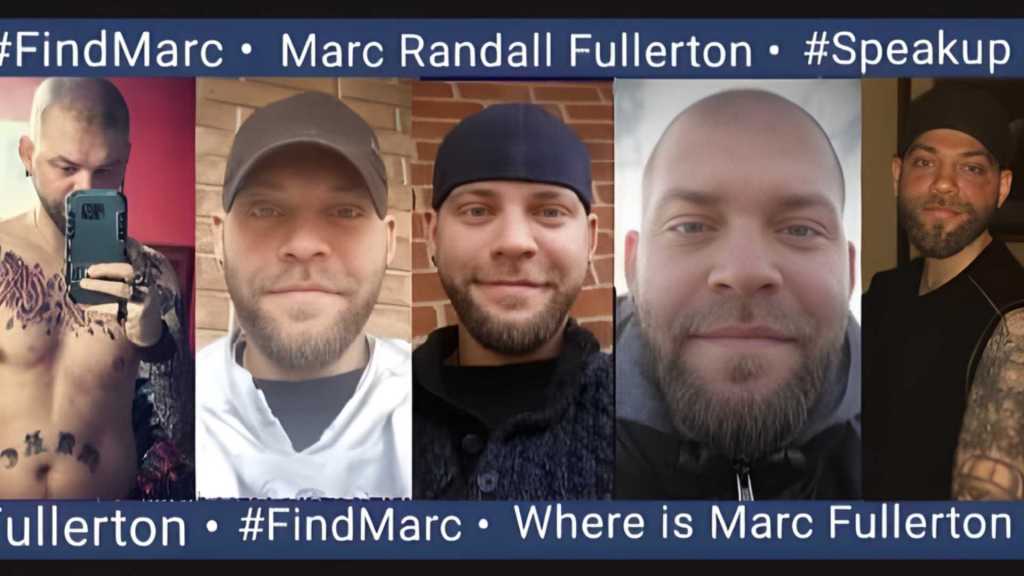
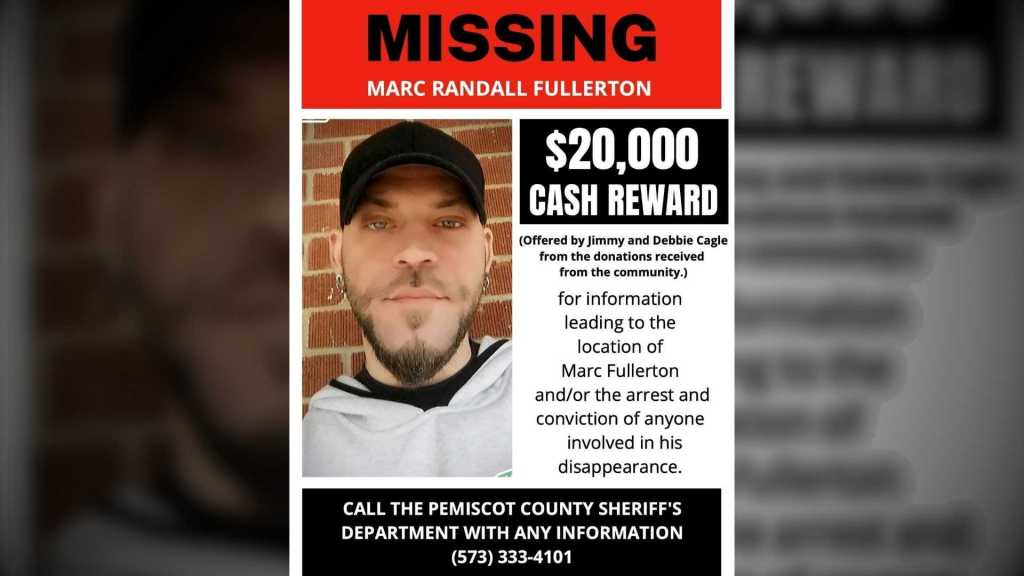
The official response came and went quietly. The case was classified as Endangered Missing, meaning the circumstances suggested physical danger rather than a voluntary disappearance. Captain Michael Coleman of the Pemiscot County Sheriff’s Office was listed as the lead contact. The Missouri State Highway Patrol circulated flyers with his photo and physical description: brown hair, blue eyes, five feet eleven inches tall, between 145 and 155 pounds. Distinctive tattoos—black-and-gray skull sleeves covering both arms, the names “Aiden” and “Cade” on his upper chest, and “MARC” in Old English script across his abdomen—made him impossible to mistake. A scar crossed the knuckles of his right hand; his ears were pierced. These weren’t just identifiers—they were the vocabulary of a life, visible declarations of who he was and who he loved.
The official posters said little beyond that. It was the family and community who filled in the rest. Marc’s mother, Debra Cagle, became the voice of the search. By July 2020, she was reaching out to local media and national missing-person organizations. A $20,000 reward was established for information leading to his whereabouts. The CUE Center for Missing Persons took the case, providing a 24-hour confidential tip line—910-232-1687—to gather leads. On Facebook, two pages appeared: Find Marc Fullerton and Justice for Marc Randall Fullerton. Both became gathering places for updates, discussion, and memorial posts that read like open letters to a man who had disappeared into the air around Pemiscot County.
Law enforcement has released few public updates. No remains have been found, no confirmed sightings reported. The girlfriend, the last person known to see him alive, never faced public charges and remained in the community until her own death in early April 2024. Whatever she knew about that afternoon died with her.
Marc would be forty now. His sons, Aiden and Cade, are nearly grown, their names still written across their father’s chest in every photograph. His mother continues to keep his story alive—calling, posting, reminding anyone who will listen that he didn’t just leave.
The unanswered questions remain the same: What did deputies find inside the house during their overnight search? Was the broken necklace tested for fingerprints or DNA? Did anyone canvass along the road toward his grandfather’s home? And why did it take two and a half months for the national missing-person entry to be filed?
In the absence of answers, the story has condensed into objects: a truck parked in the drive, a wallet unopened, a phone on its charger, a broken cross lying silent on the floor.
On the night of June 3, 2020, the last daylight faded from Braggadocio’s flat horizon. Somewhere beyond that line, a mother waited with her phone, expecting the usual call. In the house where he was last seen, the necklace caught what was left of the light, a thin reflection of something torn away. The silence that followed has lasted for years, unbroken, waiting for someone to speak.


 Deep Lore