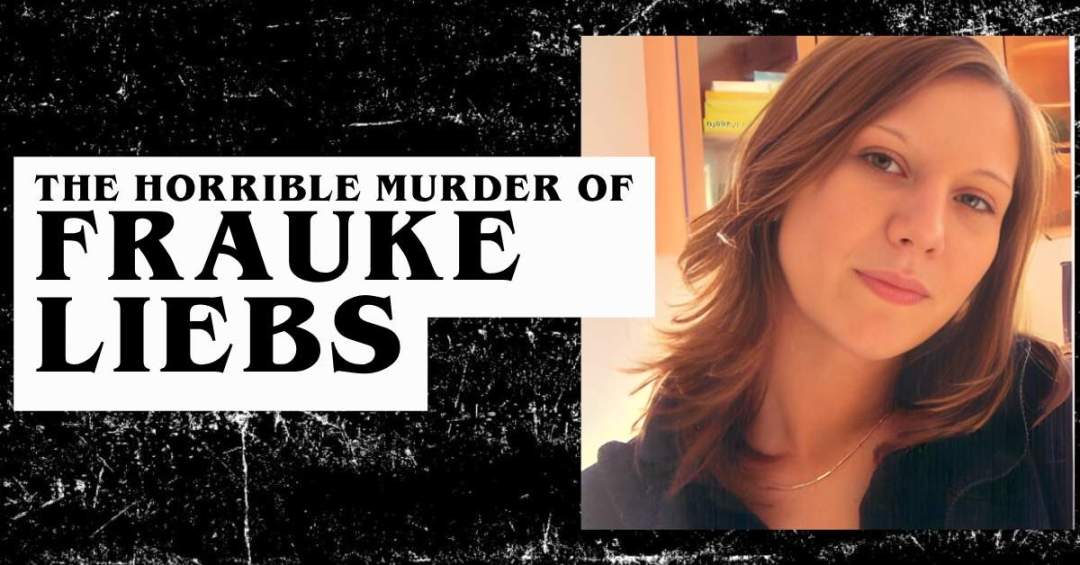

The summer of 2006 was the kind that hums in memory—warm pavement, open windows, and the sound of the World Cup carrying from every café. In Paderborn, a small German city with tree-lined streets and student apartments, twenty-one-year-old nursing student Frauke Liebs spent the evening of June 20 watching England play Sweden with friends at an Irish pub called The Auld Triangle. She’d met her mother for dinner earlier that night, laughing over small talk and plans for the week ahead. Nothing about the evening stood out—at least, not yet.
During the match, Frauke’s phone battery died. She borrowed a friend’s, checked her messages, and handed it back before leaving. It was just after eleven when she stepped outside, telling her friends she would walk home. She had only five euros in her pocket—not enough for a cab—and her apartment was just a mile and a half away. At 12:49 a.m., her roommate, Chris, received a text from her phone that read: I’ll be home later. The match was fun not versus England 🙂 Love you see you later.
The “love you” struck him as odd—she wasn’t one for sentiment—but what truly unsettled him came later. The message had been sent not from Paderborn but from Nieheim, a quiet town thirty-five kilometers away. No one could explain how she had traveled that far, or who had managed to charge the phone that had been dead hours earlier.
By morning, she hadn’t returned. She missed her nursing shift, didn’t answer calls, and never came home that night. By evening, her mother had reported her missing.
Two days later, the phone rang.
Chris answered to a voice that sounded like Frauke’s but slightly off, as if something in her tone had been rearranged. “Hello, Christos,” she said—using his full name, which she never did. “I just wanted to tell you I’m fine.” He interrupted her—Where are you? When are you coming home?—but she didn’t answer. “Please tell Mom and Dad I’m fine,” she said, and hung up. The call came from an industrial park on the edge of town.
The next day brought a text first, then another call. “I’ll be coming home today,” she wrote. “Currently in Paderborn. Love you.” When her brother Frank called her back, she spoke in circles. “I’m coming home, not too late. I’m in Paderborn, don’t ask. I will be coming home.” Her words felt automated—like someone repeating lines that weren’t their own.
The calls continued. One came midday, another late at night from a residential neighborhood. Police traced each signal to a different location around Paderborn—mostly industrial zones, empty lots, and fringe areas that suggested movement without destination. Every conversation ended the same way: vague assurances, no answers, and a voice that sounded both exhausted and restrained.
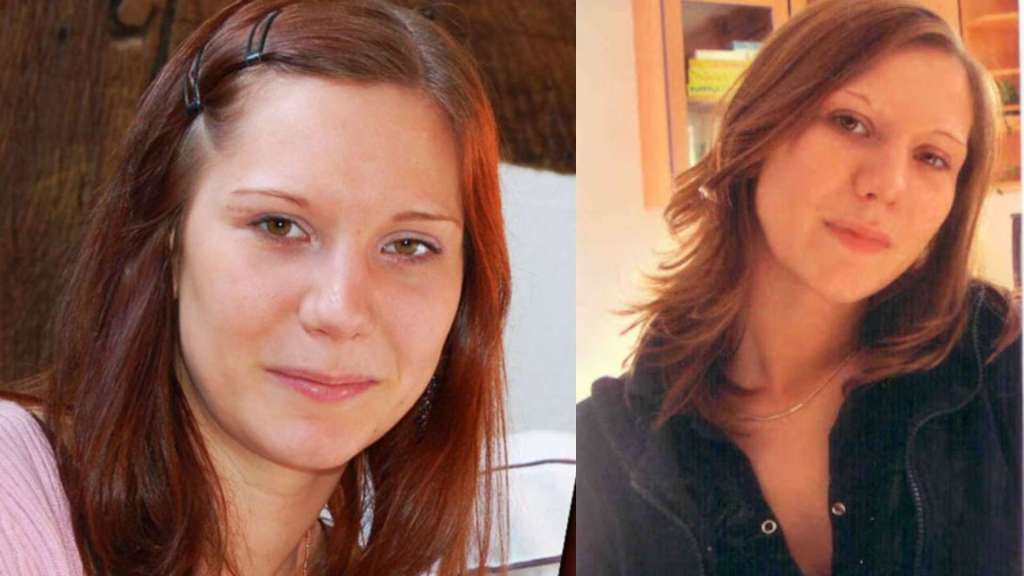
Then, on June 27, exactly one week after she disappeared, Frauke called again. It was the last time anyone heard from her. Chris answered, and her sister Karen sat beside him, listening. Frauke spoke softly, saying she was tired, that she loved her parents, that she wanted to come home. When Chris asked if she was being held, she whispered “yes.” A moment later, another voice shouted “no,” and the line cut out. When Karen took the phone, Frauke pleaded, “Please don’t question me.” Karen told her no one would be angry, that they only wanted her home. Frauke’s reply was chilling in its simplicity: “That doesn’t work. I’m still alive.” Before hanging up, she said quietly, “I would like to be with you. I would like to go home.”
And then, nothing.
It would be more than three months before anyone found her. On October 4, a hunter walking near the town of Lichtenau, twenty kilometers from Paderborn, spotted bones in a hollow under a fallen tree, just off the side of a forest road. The remains were still clothed in the red top, jeans, and white sneakers Frauke had worn that night. Her phone, wallet, bag, and watch were missing. Forensic examination couldn’t determine the cause of death—there were no gunshot wounds, no blunt-force trauma, no clear sign of how she died. But investigators were certain of one thing: she hadn’t been killed there. The forest was only a dump site. Her body had been moved.
Police mapped every signal from her phone, charting the calls like coordinates around the city. They interviewed over nine hundred people—friends, classmates, coworkers, strangers from the pub. Five people were considered possible suspects; all were cleared. The pattern that remained was unsettling in its precision: someone had kept her alive, transported her to make those calls, and silenced her soon after.
A decade later, another case reignited interest. In 2016, a couple living in Höxter, roughly twenty miles from Nieheim, were arrested for kidnapping and torturing multiple women. The crimes mirrored Frauke’s disappearance in disturbing ways—captivity, isolation, coerced communication—but the connection collapsed under lack of evidence. No DNA, no witnesses, no trace.
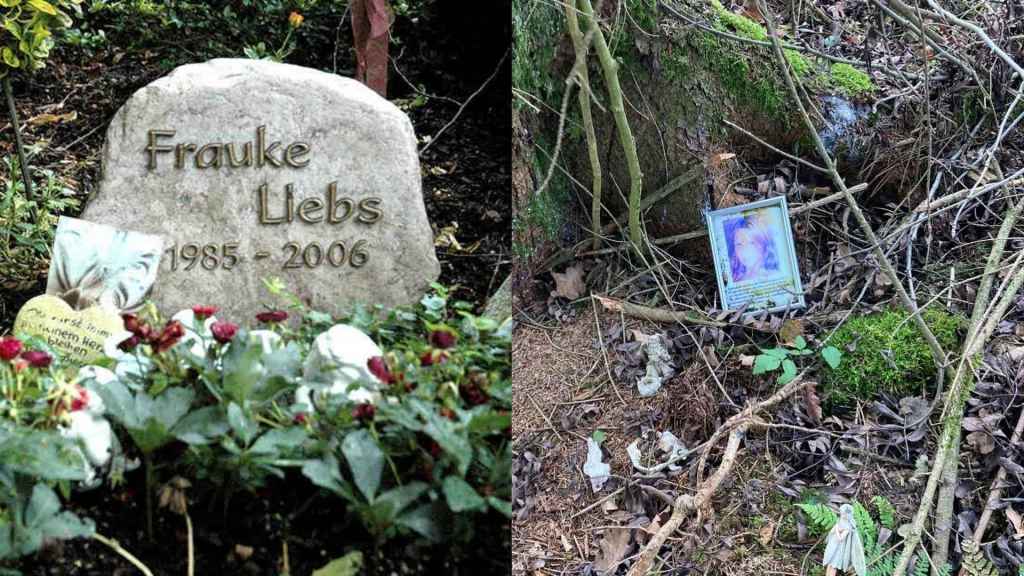
Frauke’s mother kept a website for years, posting appeals, hoping that advances in technology would catch what time had erased. The case has never closed, but the silence has grown heavier with each passing year.
What lingers most are the calls. Not the logistics of them—the changing locations, the odd phrasing—but the tone of her voice. Calm, polite, even reassuring, as if someone were standing beside her, listening to every word. She spoke carefully, cautiously, like someone trying to survive the seconds between questions. “Don’t ask.” “Please don’t question me.” “I’m still alive.”
Nearly two decades later, Paderborn looks the same. The pub is still there. The road she might have walked home that night still runs under the same streetlamps. But somewhere in the quiet hum of that city, seven phone calls once echoed—a young woman speaking from the dark, saying only what she was allowed to say.
Frauke Liebs was twenty-one. For seven days in June, she was still alive.


 Deep Lore