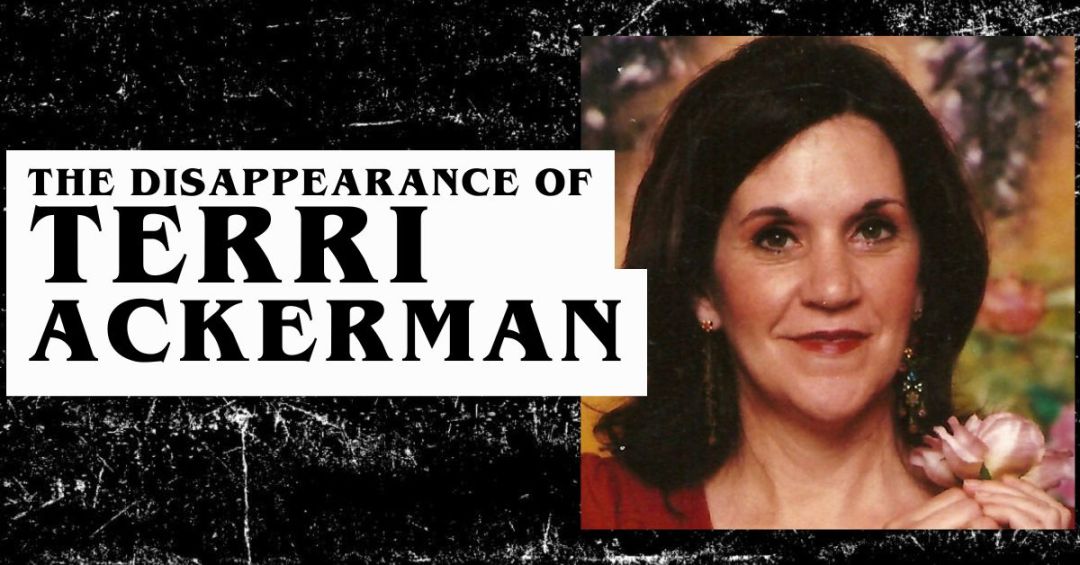
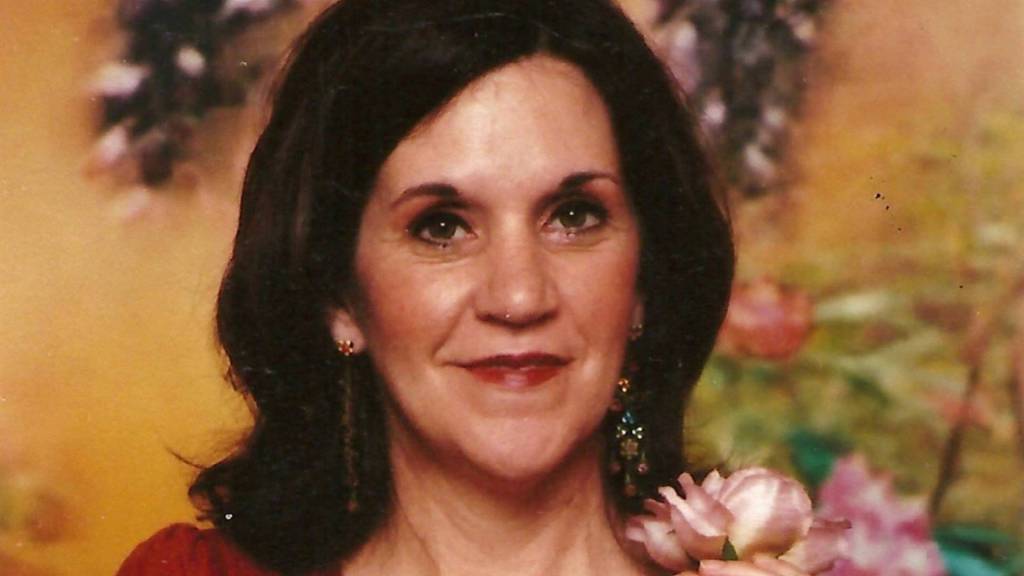
Late on an August afternoon in 2018, Terri Ackerman left her daughter’s home in Brighton, Colorado, after a normal visit. She said her goodbyes, promised to see her grandchildren soon, and drove the half hour back to her house on Poplar Street in Lochbuie. The drive was ordinary—flat roads, a wide horizon, the hum of tires over warm asphalt. When she called her daughter, Ambyr, around 4:30 p.m. to say she’d arrived home safely, her voice was calm, unremarkable.
Two hours later, she called again. This time she was crying. She said she couldn’t babysit the next morning after all. She hadn’t slept, she said, and sounded confused, almost apologetic. Ambyr reassured her—it was fine, she said, just rest, they’d figure it out tomorrow. Terri’s words kept circling—I can’t—without explanation. The call ended, and the house fell quiet.
Her husband, Delbert “Dale” Ackerman, later told police she was still in bed when he left the next morning around five to help with the grandkids. Yet by six o’clock, he was knocking on Ambyr’s door, saying he was there to babysit. Jesse, Ambyr’s fiancé, had already taken the day off for that, and told him they didn’t need help. Dale stayed anyway. He waited in his truck for nearly an hour, saying he’d already driven a long way and might as well stay. He drifted through the morning—an errand to a dispensary, a hand on a loose fence board—his presence stretching the day in a way that felt both helpful and unnecessary. Back in Lochbuie, if his account held, Terri slept on without stirring, then somehow was gone.
By early afternoon, Dale headed home. When Ambyr finished her shift and heard how the morning had unfolded—an unplanned visit, the hour idling in the car, the fence repair—unease settled in. If Terri had truly been asleep at five, why had Dale come at all? Why linger after being told he wasn’t needed? Why hadn’t anyone checked in with Terri again before noon?
At eight p.m., Dale called Ambyr to say Terri was missing. He said he’d gotten home to find the bed empty, her purse, wallet, cigarettes, and phone untouched. The car was still in the driveway. Only her medication was gone. He said he’d driven around town, then gone straight to the police station. He hadn’t called Ambyr first.
When she arrived at her mother’s home, Dale and his son, Christopher, were sitting together on the couch, speaking in low tones. As soon as she stepped inside, Christopher slipped out the back door. The truck that usually sat in the driveway was gone. Dale said it was in the shop getting dents repaired. Days later, the truck was back, dents and all. The trash cans outside were empty though pickup wasn’t due. Her mother’s ashtray, usually overflowing, held a single cigarette butt. The phone on the nightstand still showed the last missed call. The house felt too still—tidy in a way that didn’t match the day’s chaos.
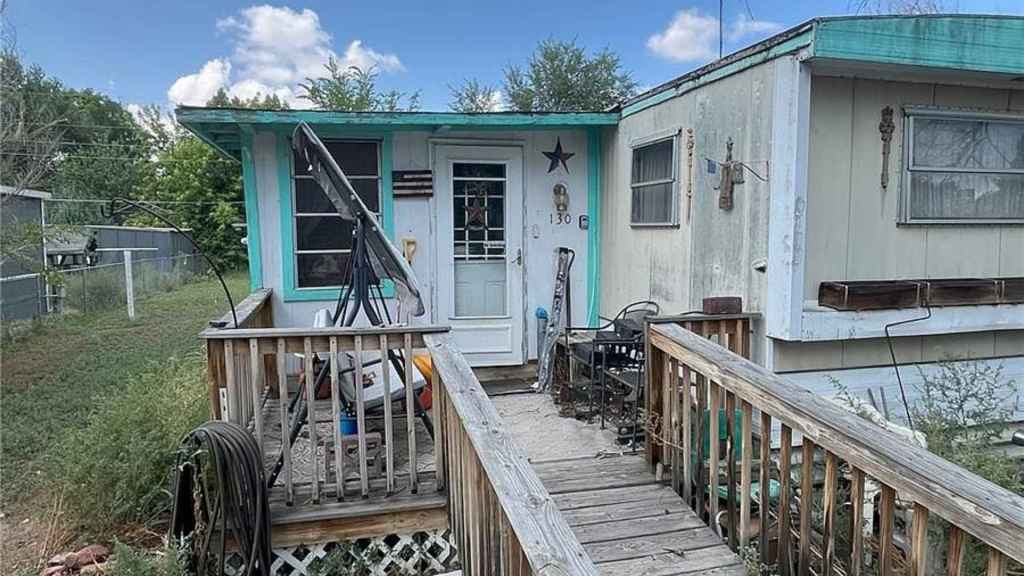
Police searched the home that night and the surrounding fields the next morning. Drones circled overhead. Dogs swept the area. No sign of a struggle, no trail to follow. A missing-person report was filed, but the tone from authorities was measured. Terri had bipolar disorder. It wasn’t a crime for an adult to leave home. Maybe she needed space. Maybe she’d come back.
She didn’t.
For Ambyr, there was never a question that her mother hadn’t walked away willingly. Terri was close with her daughter, devoted to her grandchildren. In the weeks before she vanished, she had confided that her marriage was falling apart. She said Dale drank, that he shouted, that sometimes she was afraid in her own home. Friends remembered her speaking quietly about leaving. Ambyr helped her open a new bank account and look into housing assistance. Terri seemed nervous but determined—until the night before she disappeared, when she suddenly changed her mind. She told Ambyr she couldn’t go through with it. She loved Dale, she said, and didn’t want another divorce.
That was their last conversation.
In the months that followed, Ambyr walked fields and drainage ditches, called newsrooms, taped flyers to gas pumps and grocery store windows. Volunteer teams came with K9s and maps; the grid lines multiplied and then went cold. Dale didn’t join the searches. He agreed to a polygraph and told Ambyr beforehand that he “knew how to lie on one.” Christopher refused to take it. Neither man was charged. The house on Poplar Street remained the same small landmark—faded siding, a sagging carport, the porch where Terri used to sit with a book and a cigarette.
Seven years passed. Then, in September 2025, the Weld County Coroner’s Office received a call from the same block on Poplar Street. A set of human remains had been found on the property. Within days, dental records confirmed what Ambyr had feared since that first call from her stepfather. Terri had been home all along.
Her granddaughter, Amariana, had grown up inside that absence, filling it with questions. After the discovery, she tried to set the timeline against the map of the yard. If Terri was found there—on or beside the small parcel that searchers once walked—then the meaning of all those early details shifted. Dale arriving unannounced before dawn. The hour spent waiting in the car. The empty trash cans on a non-pickup day. The missing truck and its unaltered dents. The single cigarette in the ashtray of a habitual smoker. None of it was proof. Together, it felt like gravity.
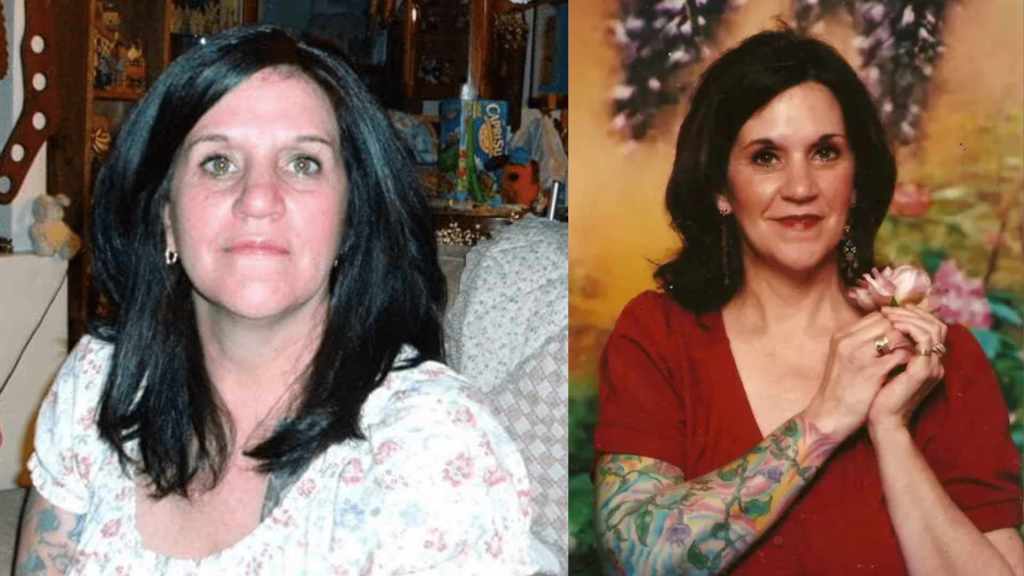
In her writing, Amariana returned to the rooms she remembered as a child—the narrow hallway where Terri once said she didn’t feel safe around Christopher, the couch where voices dropped when she entered, the porch where the ashtray never seemed to empty. She recalled a visit from a police sergeant that reduced Dale to tears, and wondered whether grief or fear had driven them. She traced the ways suspicion had frayed the family, how silence and distance had replaced conversation.
Now, with Terri identified, grief took on a different shape. For years, Ambyr had searched across the plains, believing distance held the answer. The truth was smaller, closer, and harder to bear. The ground itself had kept her.
Authorities have not released a cause or manner of death. The house stands vacant, its yard measured and photographed. There is no trial to attend, no public reckoning—only the slow work of waiting for answers that may never fully come. Years earlier, Ambyr wrote, No one ever disappears. Something happened to her; someone did this.
Now that line reads not as anger, but as understanding. Evening comes early to Poplar Street. The wind moves through the chain-link fence, the porch faces the same patch of dirt that will never again be just dirt. The house keeps its quiet, and the yard holds what it knows.


 Deep Lore