The Santa Clara River Valley sits low and bright beneath the mountains, where the smell of oranges carries on the wind. In the early 1980s, Piru was a speck of a town along the valley road — a cluster of houses, a few small shops, and endless rows of citrus trees. Around a thousand people lived there, most of them Hispanic, families who had been in the fields for generations. The rhythm of the town was slow and steady, ruled by harvest seasons and Sunday church bells.
It was the kind of place where everyone waved, where people left their doors unlocked, and where the sheriff’s calls were more likely to involve a wandering cow than a violent crime. Murders belonged to Los Angeles, an hour away. Piru was quiet, self-contained, safe — or at least it seemed that way.
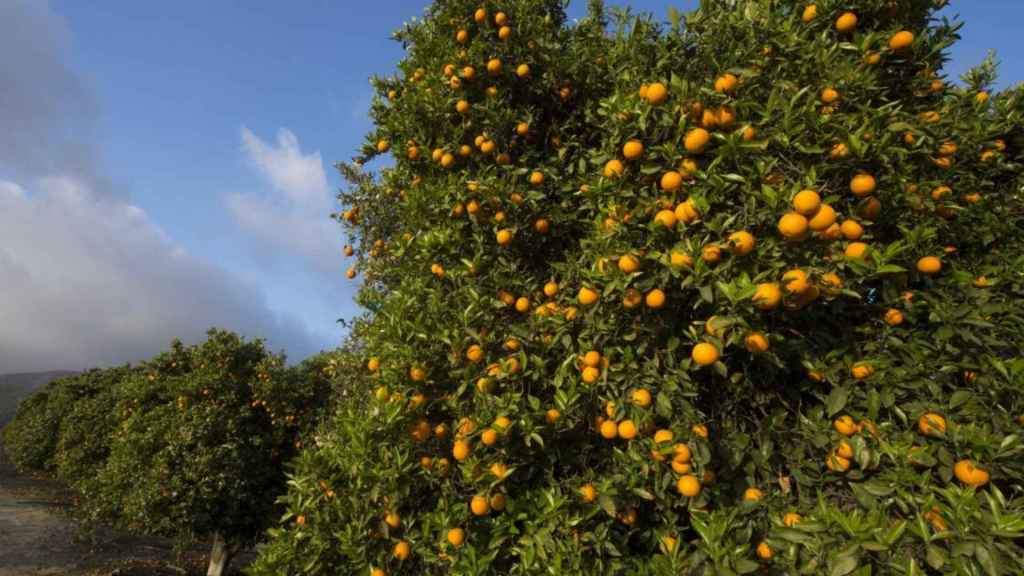
That changed on the morning of January 27, 1981. The sun was just starting to burn through the coastal fog when field workers spotted something unusual near the edge of a citrus orchard — a shape in the dirt between two rows of trees. At first, they thought it was a bundle of clothing, maybe something dumped from a passing car. But as they got closer, they saw a young woman lying face down in the soil.
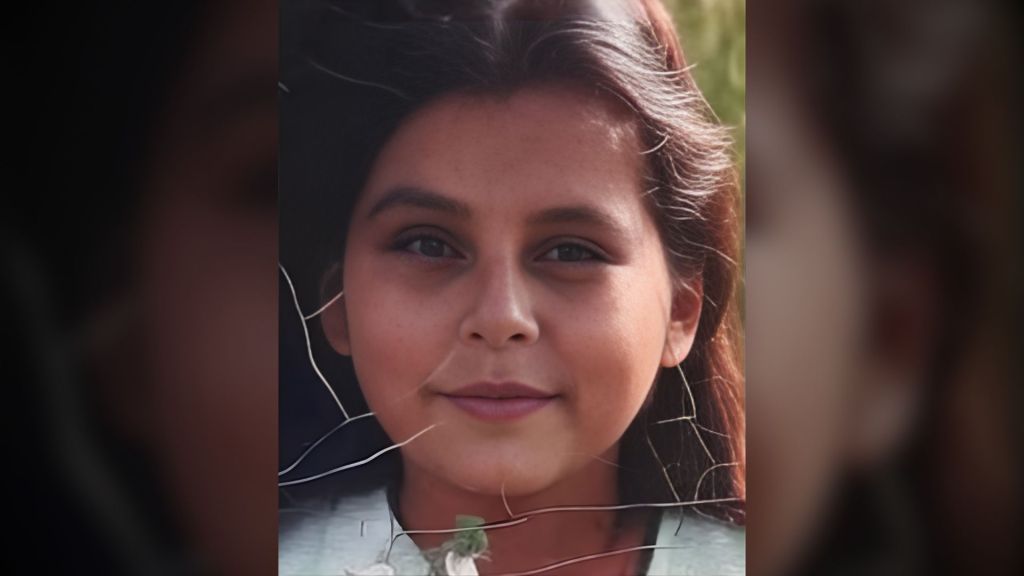
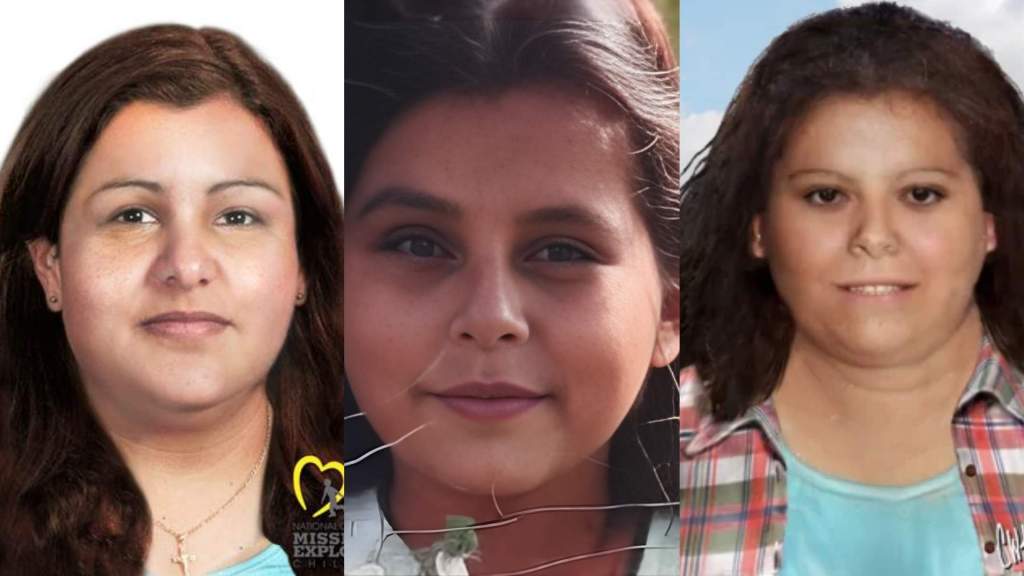
She was small, about five-foot-one, and heavyset, around 195 pounds, with brown hair and brown eyes. She wore a plaid button-down shirt over a turquoise tank top, a grey knit skirt with chevron stripes of black and maroon, and flip-flop style sandals. Her jewelry — two yellow metal rings, earrings, and a cross necklace — still clung to her. She had been shot several times.
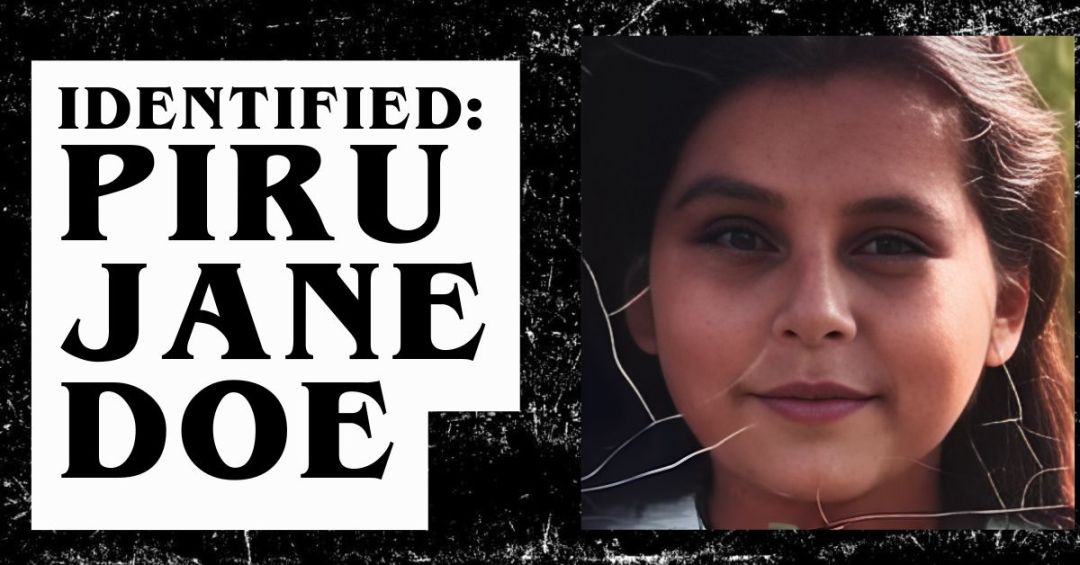
Detectives worked the scene in silence, marking shell casings, photographing tire impressions, watching the wind move through the orange trees. There was no purse, no identification, no car nearby. The body appeared recently placed, but no one had seen or heard anything unusual the night before. The sheriff’s department called her Jane Doe — later, because of where she was found, Piru Jane Doe.
In a town like Piru, everyone knew everyone. But no one recognized her. She wasn’t from around there, and the case quickly reached its limits. The papers ran short stories that faded from the news within weeks. Leads dried up. The case file filled with notes and dead ends, then was boxed away and stored with others like it — names unknown, stories unfinished.
Time did what it always does. The orchard kept producing fruit. The small houses grew older. People stopped talking about the body found that January morning. In the decades that followed, Piru remained much the same: quiet, working-class, sunburnt and steady, still largely Hispanic, its streets lined with family homes and trucks coated in orchard dust. The murder from 1981 became a local ghost, whispered about but long unsolved.
Then, in 2024, the Ventura County Sheriff’s Cold Case Unit reopened the file. Advances in DNA analysis had revived other forgotten cases, and investigators hoped it could do the same here. They reached out to Dr. Anthony Redgrave and his forensic genealogy team — a group known for identifying the nameless through the fragments of their DNA.
The work began with a fragile genetic sample extracted from the old evidence. It pointed to ancestry in southern Mexico — Michoacán and Jalisco — regions where families often intermarried within small ranching communities. That history, called endogamy, made the search difficult; genetic matches overlapped and blurred, with distant relatives appearing deceptively close.
Weeks turned to months. The researchers combed through old parish records and civil registries, many unindexed or missing entirely. Some had been destroyed decades earlier during the Cristero War. Where no digital copies existed, they searched frame by frame through microfilm, tracing names through generations: Mendoza, García, Blancas. Slowly, the lines converged on a man named Tomas Blancas García, born in 1890, and one of his many children — a daughter named Reynalda.
Reynalda married a man named Francisco Espinoza in Aguililla, Michoacán, in 1950. Later, they began using new names — Francisco Belmontes and Reynalda Ortega — and raised seven children. When investigators contacted one of them, now living in the United States, she spoke of a sister named Maria who had moved to California in 1980. No one in the family had heard from her since.
Detective Araseli Ruiz-Acevedo traveled to Arizona that summer to collect a DNA sample from Maria’s sibling. On August 19, 2025, the comparison confirmed it: Piru Jane Doe was Maria Belmontes Blancas, born March 2, 1957, in Aguililla, Mexico.
Maria had come north at twenty-three, leaving behind her family and the hills of Michoacán for a life in California. Little is known about her months in the United States — only that she was somewhere in Ventura County before she disappeared. Her family knew she was in California, but not where, or who she might have been staying with. She had vanished into a new country, a new life, without a trace that could lead them back.
When her identity was announced publicly in October 2025, her relatives — now spread across Mexico and the U.S. — finally had an answer to a question they’d carried for forty-four years. It didn’t bring peace, exactly, but it brought her back into their story.
The orchard where she was found still stands, rows of trees humming with bees and sunlight. Piru remains small, still quiet, the kind of town where people say things like that sort of thing doesn’t happen here. But once, it did. And the woman they buried as Jane Doe finally has her name again — Maria — waiting for someone to tell the rest of what happened beneath those trees.


 Deep Lore