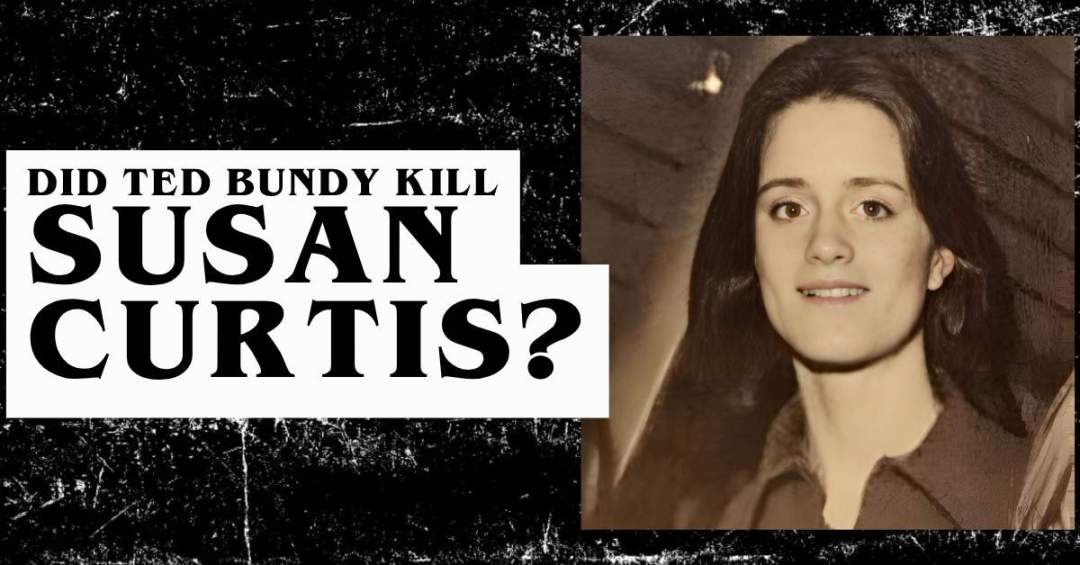
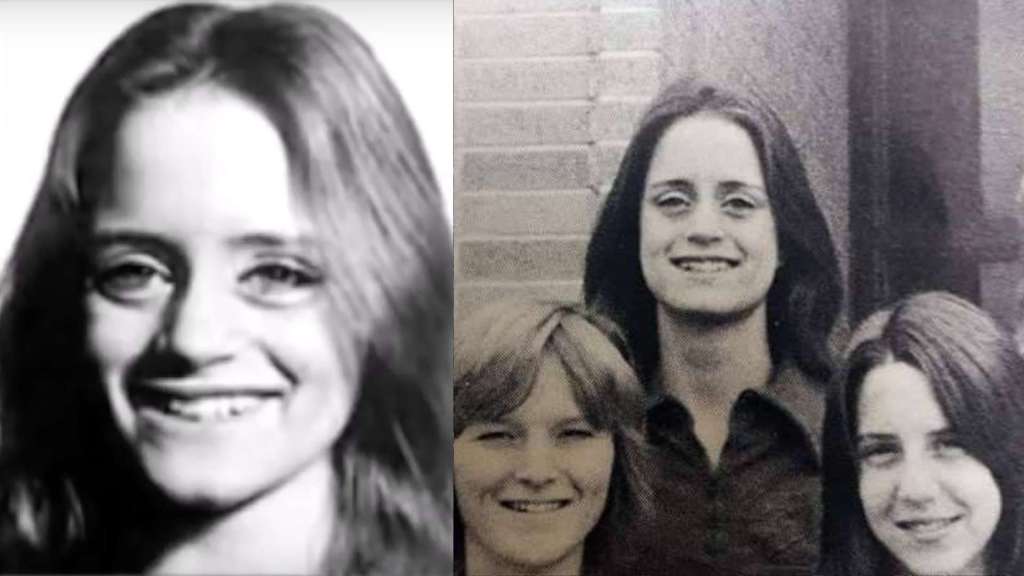
It was a warm Friday evening in Provo, Utah, the kind of twilight that blurs the line between daylight and darkness. On the campus of Brigham Young University, teenagers drifted between dorms and lecture halls as the Bountiful Orchard Youth Conference wound down for the night. The air smelled faintly of grass and cafeteria food, the sidewalks still radiating heat from the day. Among the crowd was fifteen-year-old Susan Curtis, a month past her birthday, her hair straight and brown, her smile quick and unguarded.
She had come down from Bountiful, north of Salt Lake City, with friends from her church. For most of the teens, the trip was their first stretch of freedom away from home—a week of devotionals, new faces, and rules that felt looser under summer light. The campus itself seemed safe, its manicured lawns and tree-lined paths watched over by church authority and habit.
After dark on June 27, Susan left a meeting near Helaman Halls to return to her dorm before curfew. It was a five-minute walk. She never arrived.
At first, her absence drew no alarm. A teenager missing curfew was hardly unusual. Maybe she’d gone to another dorm, maybe she’d fallen asleep talking with friends. But by morning, her bed was untouched, her suitcase neatly packed, her name unanswered in roll call. What began as mild concern turned to dread.
Chaperones called the police. Officers searched dormitories, hallways, and stairwells. They swept the lawns and walkways, looked into cars, and questioned students. There were no witnesses, no sound of struggle, no explanation. The space between where she was and where she should have been was only a few hundred yards, but it had swallowed her completely.
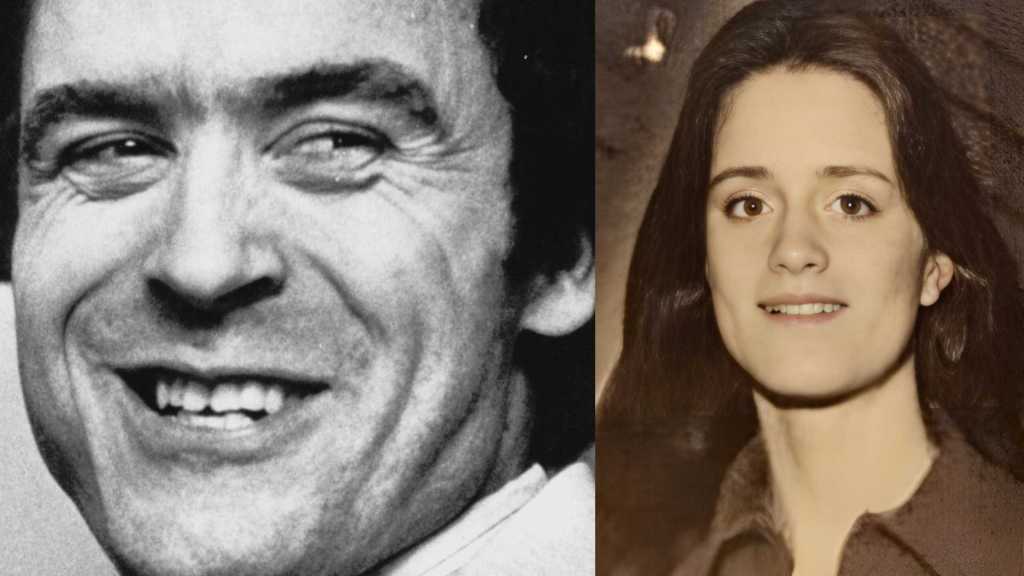
Susan’s parents drove to Provo that same day. They stood among officers and volunteers as search teams fanned out across campus. Helicopters circled the nearby hills. The city’s calm persisted, but for the Curtis family, something had gone silent and stayed that way.
By the end of the weekend, there was little more than a missing person’s report and a description. Female, fifteen, long brown hair, hazel eyes. Last seen wearing blue jeans and a red shirt. The words felt too thin to contain a person.
No one yet knew the man responsible had already taken others, and would soon be caught for crimes that stretched far beyond Utah. In the summer of 1975, Ted Bundy was still a law student in Salt Lake City—charming, confident, and forgettable in the way predators often are. For nearly a year, he had been abducting young women across the state, striking with methodical ease and leaving almost nothing behind.
The first was sixteen-year-old Nancy Wilcox in October 1974. Then Melissa Smith, the police chief’s daughter, taken from Midvale. Two weeks later, Laura Aime disappeared from Lehi. In November, he attacked two girls on the same night: Carol DaRonch escaped from his car; Debra Kent vanished from a high school parking lot in Bountiful. Her body was never found.
Susan Curtis lived in the same town as Debra Kent. The youth conference she attended at BYU that June had been organized specifically for students from Bountiful. It wasn’t coincidence. When police later searched Bundy’s apartment, they found a program from the play Debra Kent had attended on the night she disappeared. It wasn’t a trophy—it was reconnaissance. Bundy had studied the community, learned its rhythms, then returned to hunt again.
When he was finally arrested two months later, it happened without ceremony. In the early hours of August 16, 1975, Utah Highway Patrol officer Bob Hayward spotted a tan Volkswagen idling suspiciously in a residential neighborhood. The driver sped off. When Hayward stopped him minutes later, he found a crowbar on the floor, a ski mask, rope, handcuffs, and an ice pick in the back seat.
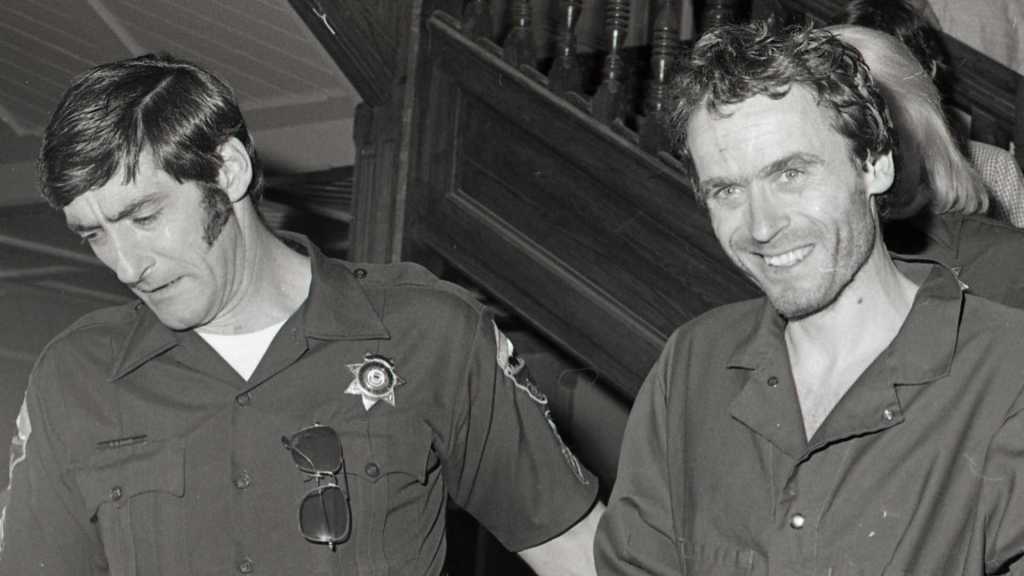
Bundy claimed he was burglarizing houses. Hayward didn’t buy it. Within days, Bundy’s name began linking to unsolved cases stretching across multiple counties. But with no physical evidence and no body, most of the Utah disappearances—including Susan Curtis—remained open files.
The records themselves held contradictions. Some listed Susan’s disappearance as June 25, others June 27. It might have been a clerical error or the lag between assumption and alarm. But that gap mattered. Those two lost days gave Bundy time to drive hundreds of miles, dispose of evidence, and move on before anyone knew a crime had occurred. By the time the investigation began in earnest, the trail was gone.
For years, Susan’s case sat among dozens of missing-person reports, overshadowed by Bundy’s growing notoriety. He escaped from custody twice, killed again in Florida, and became one of the most studied criminals in modern history. In the endless retellings of his life—books, films, interviews—his victims became background. Names in a list. Faces on a wall.
It wasn’t until 1989, on death row in Florida, that Bundy finally acknowledged Susan Curtis by name. In his final days, he began to confess in fragments, dangling information to delay the inevitable. He told investigators he had abducted and killed Susan near Provo that June and buried her body near Price, Utah. But when asked for details, he grew vague, evasive. He said his memory wasn’t clear anymore. He gave only enough to confirm what they already believed, withholding the one fact that mattered most.
Four days after his execution, Utah investigators gathered near Price with search-and-rescue teams, following the faint coordinates he had described. They spent days combing the red hills and canyons, raking through brush, scanning from helicopters, marking grid after grid. They found nothing.
Nearly fifty years have passed. Her name still lives in the state’s database—case MP27748—tagged as missing, not murdered. Investigators still revisit her file. Some have gone back to the canyons with drones and ground-penetrating radar. Each search ends in silence.
There are no surviving interviews with Susan’s family, no preserved quotes, no photographs in circulation. Her life exists now only in official records: fifteen years old, five foot six, brown hair, hazel eyes. Beyond those details is a blank space, wide as the Utah desert.
The world remembers her killer vividly—his face, his voice, his mythology—but not the girl who was supposed to make it home that summer night. The distance she walked between two dorms remains unmeasured, an ordinary stretch of ground that opened into something endless.
Somewhere out there, the truth still waits.


 Deep Lore