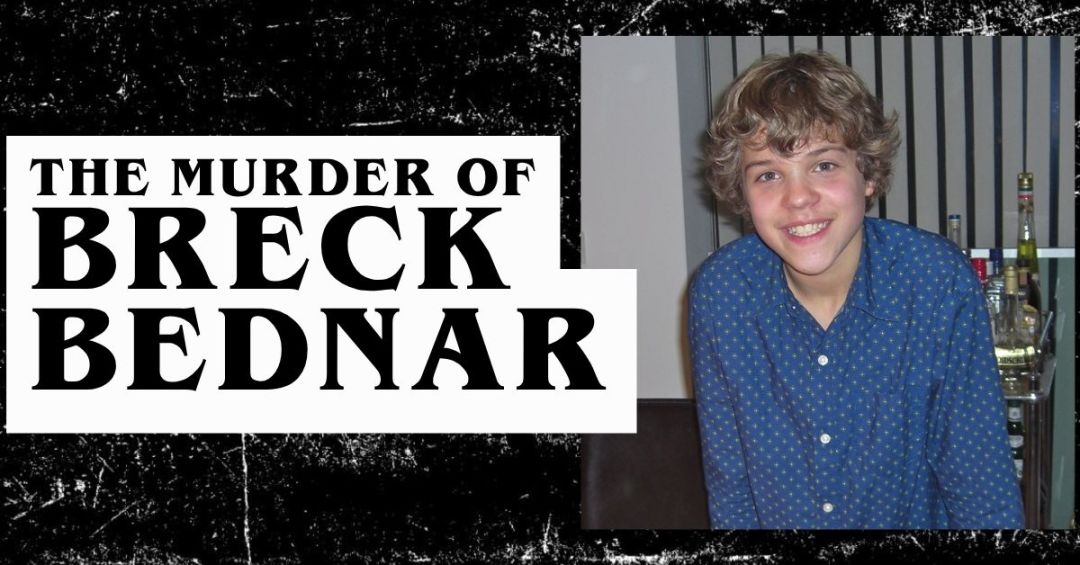
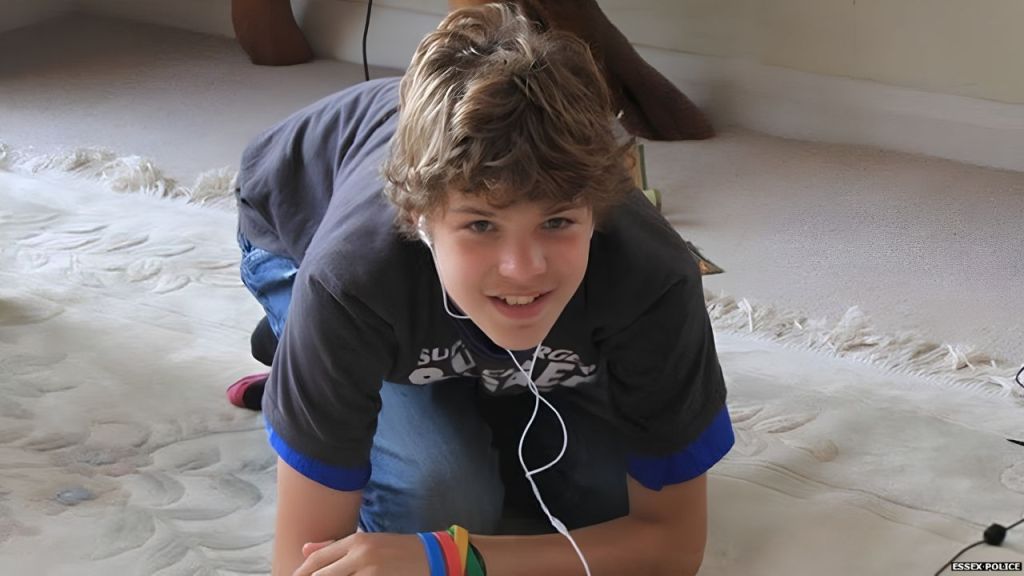
Breck David LaFave Bednar was born in March 1999 in Surrey, the first child of American parents who had moved to England for work. A year later, triplets—Chloe, Carly, and Sebastian—joined the family. After his parents separated in 2006, Breck lived in Caterham with his mother and siblings. By his early teens he was the kind of boy teachers and family described in simple, steady terms: relaxed, warm, drawn to computers and the glow of shared worlds after school.
At thirteen he spent his afternoons where many boys did in 2012 and 2013—headset on, logging into TeamSpeak, cycling between Call of Duty and Battlefield. The same small circle of school friends met there almost every day. They added a new voice to the channel in early 2013: a user who called himself “Lewis,” sometimes “EagleOneSix.” He sounded older, confident, and certain of his own stories. In the space of a few months the dynamic shifted. Breck was still a child, but online the lines blurred; the person at the other end became a mentor, then something more powerful.
Lewis’s claims were sweeping and inconsistent—wealth, a company, secret work tied to government projects, homes in New York, Dubai, England. The details rarely matched, but the performance worked as it often does with adolescents: certainty spoken into a room becomes its own proof. He could mute the server, remove people, dictate terms. When Breck’s friends pushed back, he turned them against one another and narrowed the circle. Breck began to give him the weight reserved for older brothers or admired teachers. It changed the rhythm of the house.
His mother, Lorin, watched the shift with rising worry. Breck’s tone hardened; he parroted Lewis’s opinions and slowly separated himself from routines—church on Sundays, chores that felt newly beneath him. In the summer of 2013 he retreated to his room for long stretches with the door closed and the headset on. He left the Air Training Corps, skipped classes, and spoke about a job at Microsoft that Lewis said he could secure. There were warnings that cut through the noise—videos sent by Lewis that no adult would consider appropriate, let alone for a child. Lorin set parental controls and tried to block contact; the connection found its way around them.
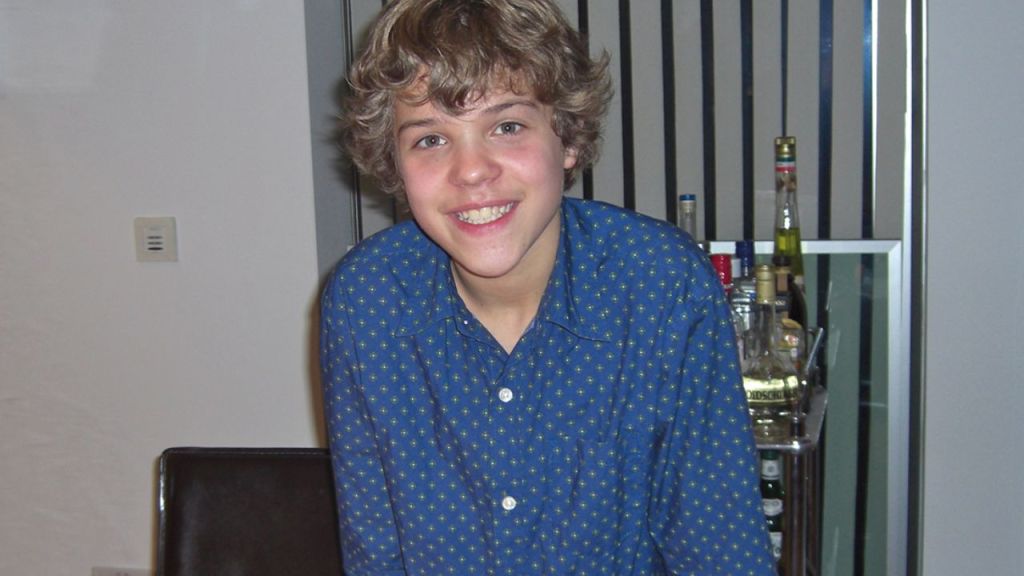
On December 17, 2013, she called Surrey Police. She described the grooming she believed she was seeing and asked for help. The call was logged. Officers assured her they would “monitor” the situation; the case was closed within the hour. Around Christmas, Lorin gathered the parents of Breck’s online friends in one room and laid out what she knew. Breck said he would stop. He did not. He told Lewis everything instead, and after that they mainly used mobile phones. The isolation tightened.
By February 2014, small confrontations had become a constant. On a school trip to Spain, Breck posted a photograph with a girl. Lewis’s messages arrived immediately, angry, possessive. Shortly afterward, he told Breck he was terminally ill, that a multimillion-pound company needed a new leader, and that Breck, at fourteen, might sign the papers. It would require a meeting on a Sunday—February 16—with a taxi provided and an address in Grays, Essex. The story had the same implausible gloss as before, but it pulled at the part of adolescence that wants to be seen, to be chosen.
That weekend Breck was due to stay with his father, Barry. He asked instead to spend the night at a friend’s house. It sounded normal, even healthy. On the afternoon of the sixteenth he took the taxi that had been arranged for him and traveled the 47 kilometers to a low, single-story block of flats. He rang the bell for Daynes.
In the early hours of the next morning, some of the boys from the old TeamSpeak group were online. A familiar username—EagleOneSix—appeared. Without warning, images were posted to the channel showing a young person’s body, injured and bound. Panic moved through private messages. One of the boys texted one of the triplets. “Is it true about your brother?” Within minutes, Lorin was on the phone to police. But the first call that morning had already come from the flat in Grays. When officers arrived, they found Breck on the floor with severe neck wounds, hands and feet taped. The clothing he had worn into the flat lay bloodied in a bag. The eighteen-year-old he had come to meet, Lewis Daynes, was there as well. In the bathroom, a laptop and phone had been left in water.
The investigation moved quickly. Daynes had met Breck through games and chat servers and had been in contact for more than a year. The prosecution would later describe him as controlling and manipulative, his planning deliberate and his ability to isolate a child methodical. Daynes pleaded guilty. On January 12, 2015, he received a life sentence with a minimum term of twenty-five years. The court noted sexual or sadistic motivation in the way the crime was charged; uncertainty remained over the precise circumstances in the room. The facts on which the sentence rested were stark enough.
In parallel, institutional questions gathered. Surrey Police referred its handling of the December call to the Independent Police Complaints Commission. In 2016, the force apologized to the family and paid compensation, acknowledging shortcomings in how the initial warning was handled and how information was shared. The lesson was procedural and human at once: a parent had sounded the alarm, and the system did not grasp the severity until it was too late.
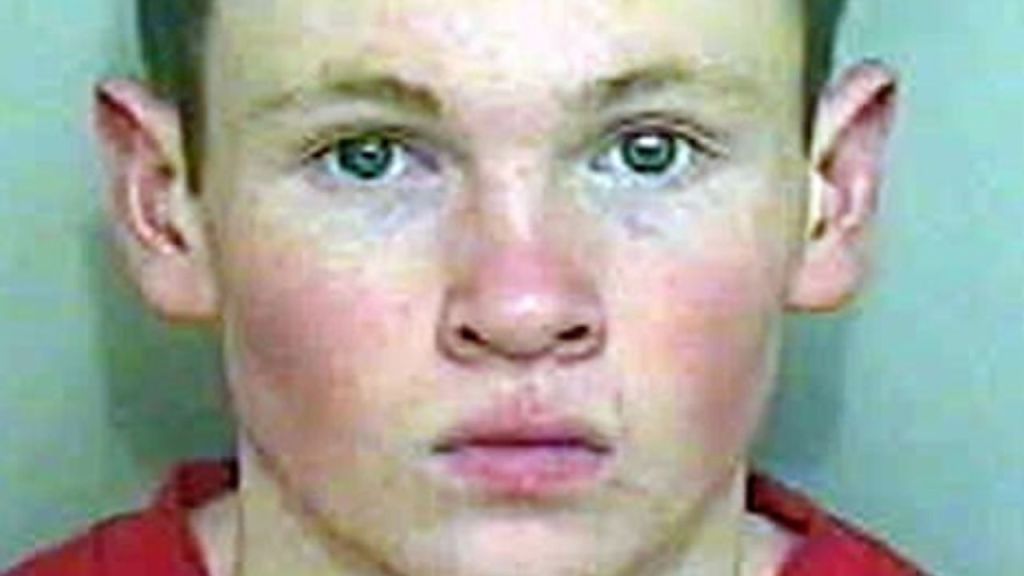
There were other small violences that followed, not physical but corrosive. Reports surfaced that Daynes had managed to publish online from prison, complaining of misrepresentation and targeting Lorin by name; she sought to have the material removed. Years later, one of the triplets received threats via social media from a stranger invoking Daynes’s name. The family, already living with a loss that could not be amended, found themselves monitoring the digital edges of their grief.
They chose to do something else as well. The Breck Foundation began its work in schools and community halls, teaching in clear language what grooming looks like when it moves through games, private chats, and the steady flattening of boundaries. The message reached beyond the scripted assemblies that teenagers often learn to tune out. It used Breck’s story not as spectacle but as instruction: that online predators can be young and technically adept; that the grooming arc often includes praise, isolation, secrecy, and pressure; that parental instinct should be met by systems that can act.
Media treatments followed—documentary segments, a BBC drama-documentary, a stage piece built from the words of friends and family. Each version tried to hold the line between attention and respect. None could restore what was lost. The work that mattered most was more local: policy updates, call-center scripts changed, officers trained to recognize grooming as a safeguarding issue rather than an abstract warning.
What remains are particulars that are easy to miss amid the broader narrative. Breck’s favorite band. The church in Caterham where he served and where he is buried. The Air Training Corps squadron he left behind when the online world grew louder. The headset on a desk, the server log that shows one last login and then nothing. These are not details to dramatize a tragedy; they are the texture of a life that was steady and ordinary until it wasn’t.
On some evenings now, a classroom projector flickers to life and a facilitator speaks to a room of students about the difference between friendship and control, about the right to say no even when the person asking sounds confident and kind. Somewhere in that room a boy as thoughtful and curious as Breck listens, and a parent sleeps a little more easily because a call-handler has clearer guidance than the one who took a call in December 2013. The computer screens still glow, and the games go on. The difference, when it appears, is small and practical: a question asked sooner, a meeting declined, a taxi never called.
More Deep Lore: Online Grooming, Child Murders & Young Victims
- The Girl Who Never Made It to the Mall: The Murder of Beverly Jarosz — The brutal 1964 rape and murder of a 16-year-old girl in her own home, another heartbreaking case of a young victim targeted by violence.
- Bundy’s Youngest Victim: The Vanishing of Susan Curtis — The abduction and murder of a 15-year-old girl by a serial predator who exploited trust and opportunity.
- The Murder of Holly Bobo — The abduction, sexual assault, and murder of a young woman in a small community, highlighting predator behavior and community trauma.
- Mystery in Belle Haven: The Unsolved Case of Martha Moxley — The 1975 murder of a 15-year-old girl in her neighborhood, another tragic story of a young life taken too soon.
- The Lawson Family Murders — A devastating familicide that shows the extreme end of violence and its lasting impact on survivors.
Like Breck LaFave Bednar’s story, these cases examine the vulnerability of young people, the devastating impact of predators, and the long shadow cast on families and communities when children are targeted.


 Deep Lore