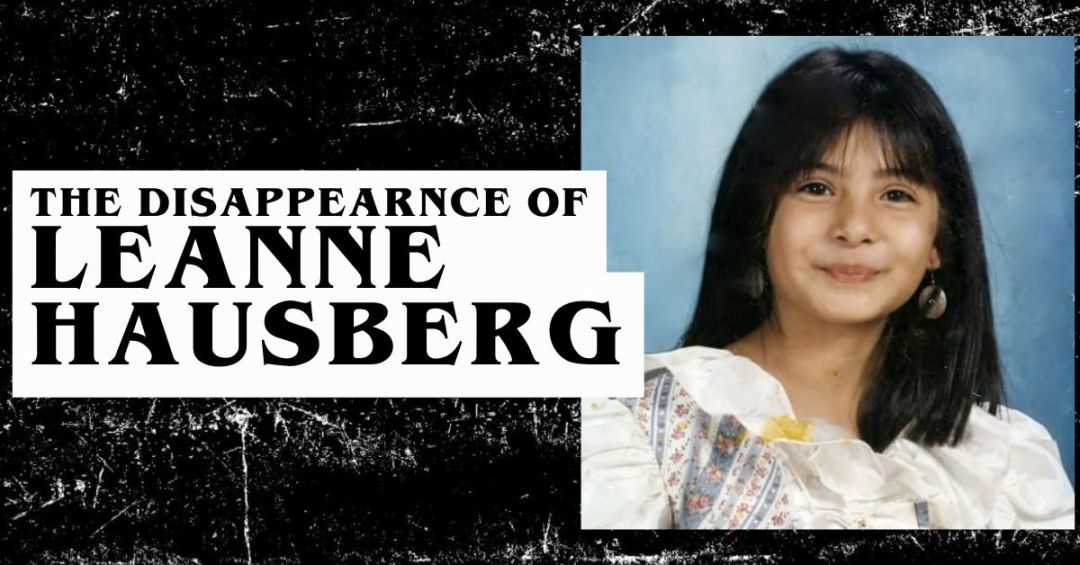
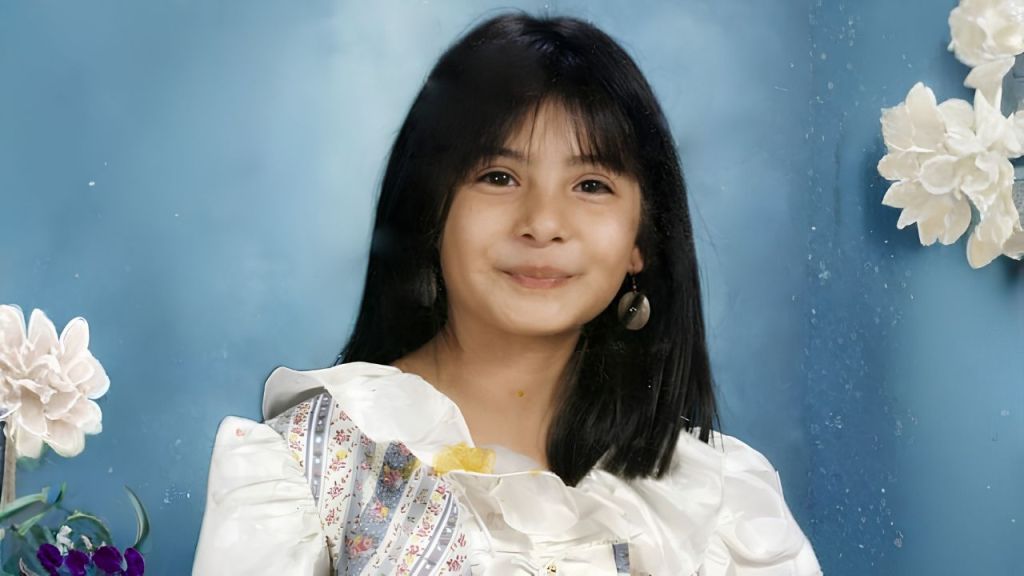
On the morning of March 18, 1999, the streets of Bensonhurst were still slick from the night’s rain. Puddles collected against the curbs, reflecting the bright signs of corner stores and the distant rumble of the D train. At around eight o’clock, a girl in a red and black bubble jacket stood near the intersection of 67th Street and 18th Avenue. She was small for fourteen, brown-haired, her cheeks rounded with the last traces of childhood. Someone later recalled seeing her waiting on the corner, hands shoved deep into her pockets, as if bracing against the cold. Then, as quietly as she appeared, she was gone.
Her name was Leanne Marie Hausberg. She was fourteen years old, born in Scottsbluff, Nebraska—half Navajo, half white, a child of two worlds that rarely met. After her parents separated, her mother brought her east to Brooklyn, remarried, and built a life that looked steady from the outside. There was a stepfather, twin younger sisters, a modest apartment, and the everyday noise of family life. But inside her diary, found later under her bed, Leanne described a home filled with shouting and exhaustion. Her mother had suffered a stroke that left her partially paralyzed. Her stepfather, by his own admission, could be harsh. She wrote of loneliness, of feeling unseen. And she wrote about Nebraska—her father, the open plains, and the idea of belonging to something larger than the city skyline.
In her entries, Leanne’s handwriting was small and deliberate, the voice of a girl measuring her words carefully. She wrote about wanting to visit her father, who still lived out west, and about the Navajo heritage she barely knew but longed to understand. One page mentioned an older boy—a man, really—who worked at a transportation yard on Liberty Avenue. He was eighteen or nineteen, someone she trusted enough to confide in. The details stop there, as if she hesitated to write more.
That morning, Leanne called for a cab from a pay phone near her home. The driver never came forward, but investigators later learned that she likely traveled toward Liberty Avenue, not far from the transportation depot she’d written about. It was a part of Brooklyn she didn’t usually visit, a stretch of warehouses, repair shops, and auto yards where the sound of idling engines carried through the air. No one has confirmed seeing her after that call.
When she didn’t return home, her family assumed at first that she had gone to a friend’s house or skipped school. Hours turned into a night, and then another. Her stepfather phoned police, reporting her missing. Detectives found no signs of abduction—no struggle, no witnesses, no ransom demand. The diary pointed toward restlessness, and so the case was classified as a runaway. In the late 1990s, that label carried a quiet finality. Runaways, especially teenagers from working-class families, were often left to drift out of the system’s sightlines.
For Leanne’s family, the uncertainty was unbearable. Her stepfather told reporters he believed she had simply wanted freedom and might have tried to reach her father in Nebraska. Her mother, weakened from her stroke, could only wait. The case drew little media coverage—no prime-time pleas, no front-page photographs—just a few lines in local papers, easily lost among the city’s daily tragedies.
In the years that followed, her name appeared occasionally in databases and online forums for missing children. Investigators revisited her diary, searching for new clues, including the mention of the older man from the transportation company. There were unconfirmed rumors and potential sightings, but nothing that could be verified. Each lead faded as quickly as it came.
Her biological father in Nebraska was contacted early in the investigation. He denied any knowledge of her plans and said he hadn’t spoken to her in years. His relatives were cooperative, offering family photographs and stories of a little girl with wide brown eyes who used to collect stones from the Platte River. None had seen her since.
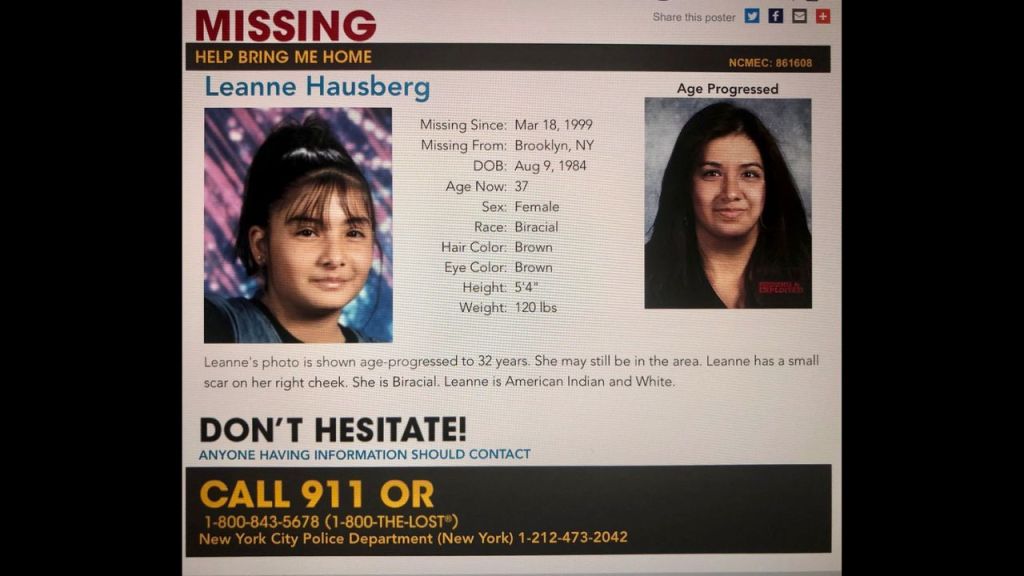
By 2000, Leanne’s case file had thinned. The police moved on to newer cases, and her name settled into the static background of unsolved disappearances. Occasionally, a detective would reopen it, compare her photo against Jane Doe reports, and close it again. The file described her as five-foot-four, 120 to 150 pounds, brown hair, brown eyes, a scar on her right cheek, ears pierced, last seen wearing blue Timberlands.
For her younger sisters, the memory of that day blurred with time. One of them would later share her story online, hoping to reach anyone who might remember the girl in the bubble jacket. A few true-crime forums picked it up, then a short segment on ABC’s Missing, now archived on Hulu. The show offered the bare facts: a troubled home, a diary, a cab, and then silence.
Some viewers believed she ran away to start over, possibly under a new name. Others thought she met with danger along the way. But among those who study missing persons cases, especially those involving Indigenous ancestry, Leanne’s disappearance fits a quiet, recurring pattern. Native girls who vanish from urban centers often receive less attention and are more likely to be listed as runaways, even when foul play cannot be ruled out. The systemic gaps that swallow their cases—jurisdictional limits, fractured family records, and social bias—make it easier for them to disappear twice: once from the world, and again from memory.
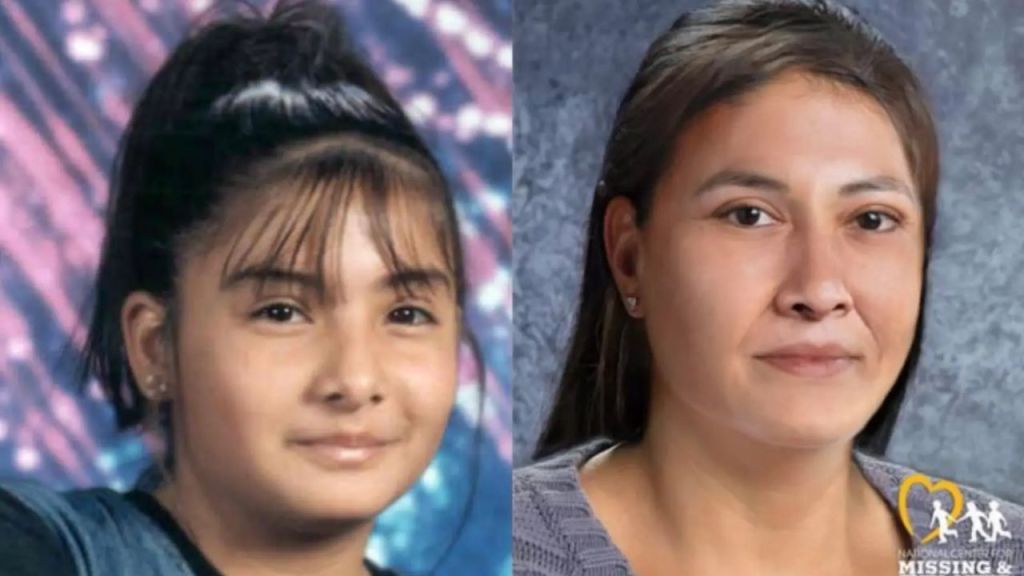
Every few years, new age-progression images are released, showing what Leanne might look like now in her forties. In each version, her face changes subtly—the jaw stronger, the eyes lined, the hint of her scar softened with age—but something of that Brooklyn morning remains in her expression. The images circulate quietly online, shared among missing-persons pages and advocacy groups. There have been no confirmed matches.
More than two decades have passed since Leanne was seen on that corner in Bensonhurst. The city has changed; the corner stores replaced by coffee shops, the pay phones long gone. Somewhere, her family still hopes for a call that never comes. Others, including independent investigators and journalists, keep searching, tracing her steps through old taxi logs and long-closed businesses. Her fate, however, remains unknown.
More Deep Lore: Missing Girls, Runaways & Cold Disappearances
- Bundy’s Youngest Victim: The Vanishing of Susan Curtis — The abduction of a 15-year-old girl who disappeared in what should have been a safe environment.
- Tonetta Carlisle’s Last Walk: The 35-Year Search for Truth Behind a Tennessee Teen’s Vanishing — Another teenage girl who disappeared under suspicious circumstances, with questions of runaway vs. foul play.
- Was She Running From Danger or Her Own Mind? The Vanishing of Star Palumbo — A young woman’s disappearance involving family tension, personal struggles, and uncertainty about whether she left voluntarily.
- A Colorado Mystery: The Disappearance and Discovery of Terri Ackerman — A woman who vanished after normal routines, highlighting how family dynamics and sudden changes can signal deeper trouble.
- For Seven Days, She Called Home. Then the Line Went Dead. — A young woman who disappeared while still able to make contact, raising questions of coercion and prolonged uncertainty.
Like Leanne Hausberg’s story, these cases explore the painful gray area between runaway and victim, troubled home lives, and the long silence that follows when a young person vanishes from the streets.

A Dead Battery, a Cryptic Message, and a Broken Furniture Crash: Three Dark True Crime Cases – Deep Lore
- A Dead Battery, a Cryptic Message, and a Broken Furniture Crash: Three Dark True Crime Cases
- A Chick-fil-A Hit, a Farmhouse Massacre, and Mr. Hands: Three Dark True Crime Cases
- Letters, Bombs, and a Broken Cross: Three Unsolved Mysteries
- The Untold Story of Bumfights
- Oceangate: The Rise and Fall of the Ill-Fated Titan

 Deep Lore